I spent Sunday afternoon in the emergency room at our local hospital. I should, at this point, receive a frequent flier discount. I was viciously assaulted by a kitchen knife while chopping up potatoes for a roast dinner. I like my knives to be sharp. Twenty stokes on my sharpener before preparing food is my habit. It comes with consequences. Sloppy technique results in deep wounds. I passed out after three stitches. The nurse had applied a topical lotion to my calloused finger, expecting it to soak in and numb the area, but it didn’t. When the third stitch went through the fingernail, I started to feel lightheaded. The next thing I knew was waking up from a deep slumber, wholly disorientated and feeling nauseous. Jacquelyn held me up, and she and the doctor talked to me. After a moment passed, I demanded lidocaine, and the final three stitches were painless.
The recipe was excellent, and I finished cooking the next day—a mushroom nut roast with roasted potatoes and steamed broccoli. I severely modified the recipe by happy accident and made it super easy. I started with this recipe: Vegan Nut Roast – Loving It Vegan, but I forgot the carrots. I chopped everything into the same bowl rather than sauteing the veggies separately. Chop, stir, push into the pan, then bake. Super simple, super delicious. I used equal proportions of almonds, cashews and walnuts. Try it, you won’t be disappointed. I served the meal with homemade vegan gravy—a 70-minute meal. I am hungry just thinking about it.
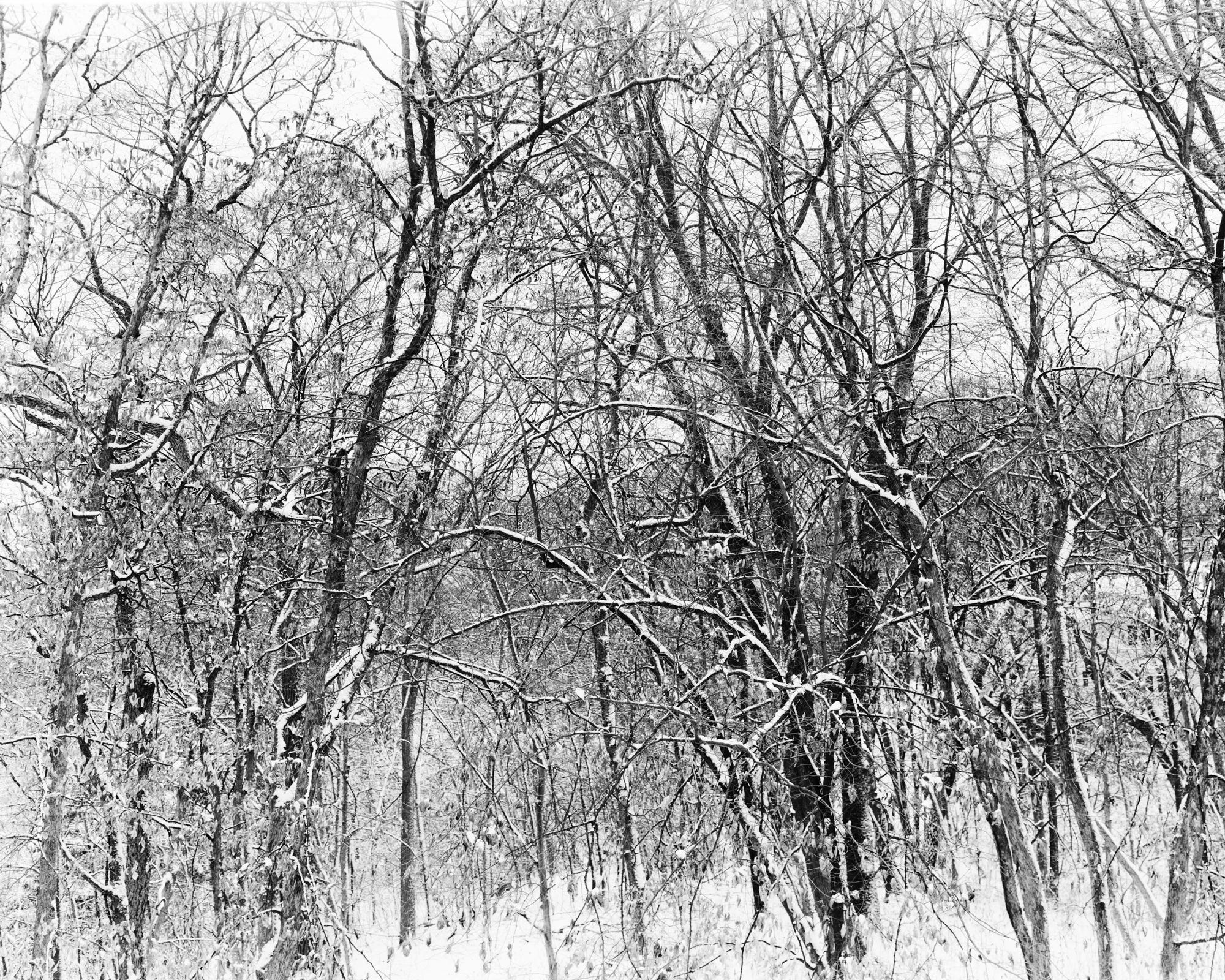
Speaking of happy experiments, I spent the past two days testing black and white colour filters. If you are not immersed in black and white photography, it sounds weird that you would use colour filters, but they are fun to play with. I have two Cokin filters, a red and a yellow. I was not convinced that they were accurately rated, so I tested them by exposing the same scene and using different settings to test the impact of each filter on the light transmission. It will also provide a fun way to examine how it alters the relationships between colours and tonal values. So, without further ado, here are the results:
These are the three negatives with the exposure curve inverted in Lightroom and no other processing. They were scanned at the same f-stop on my Nikon Z7ii, which shows how close the exposure is. It is not exact, but they are fairly close. The histogram in Lightroom was an excellent reference for this.
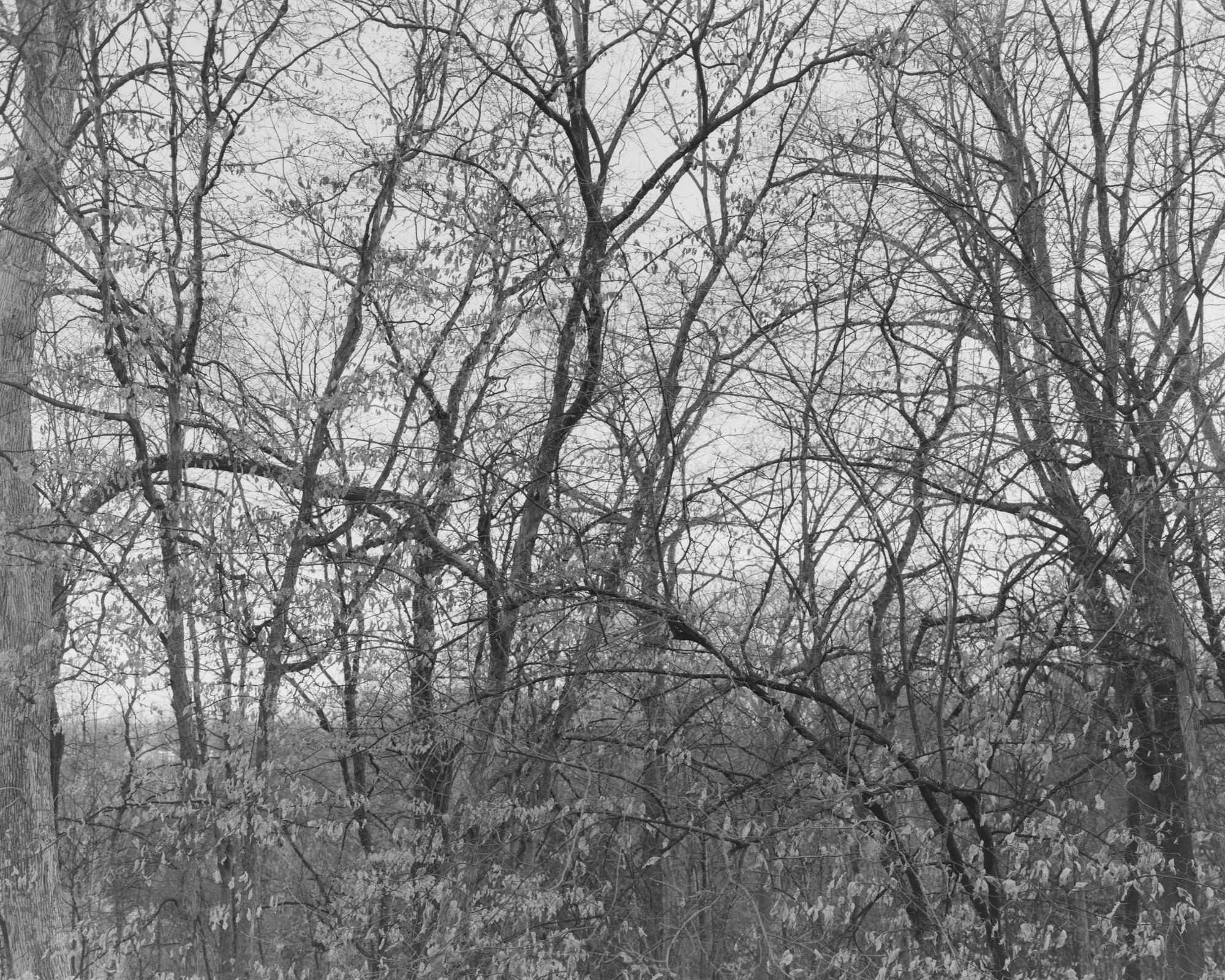
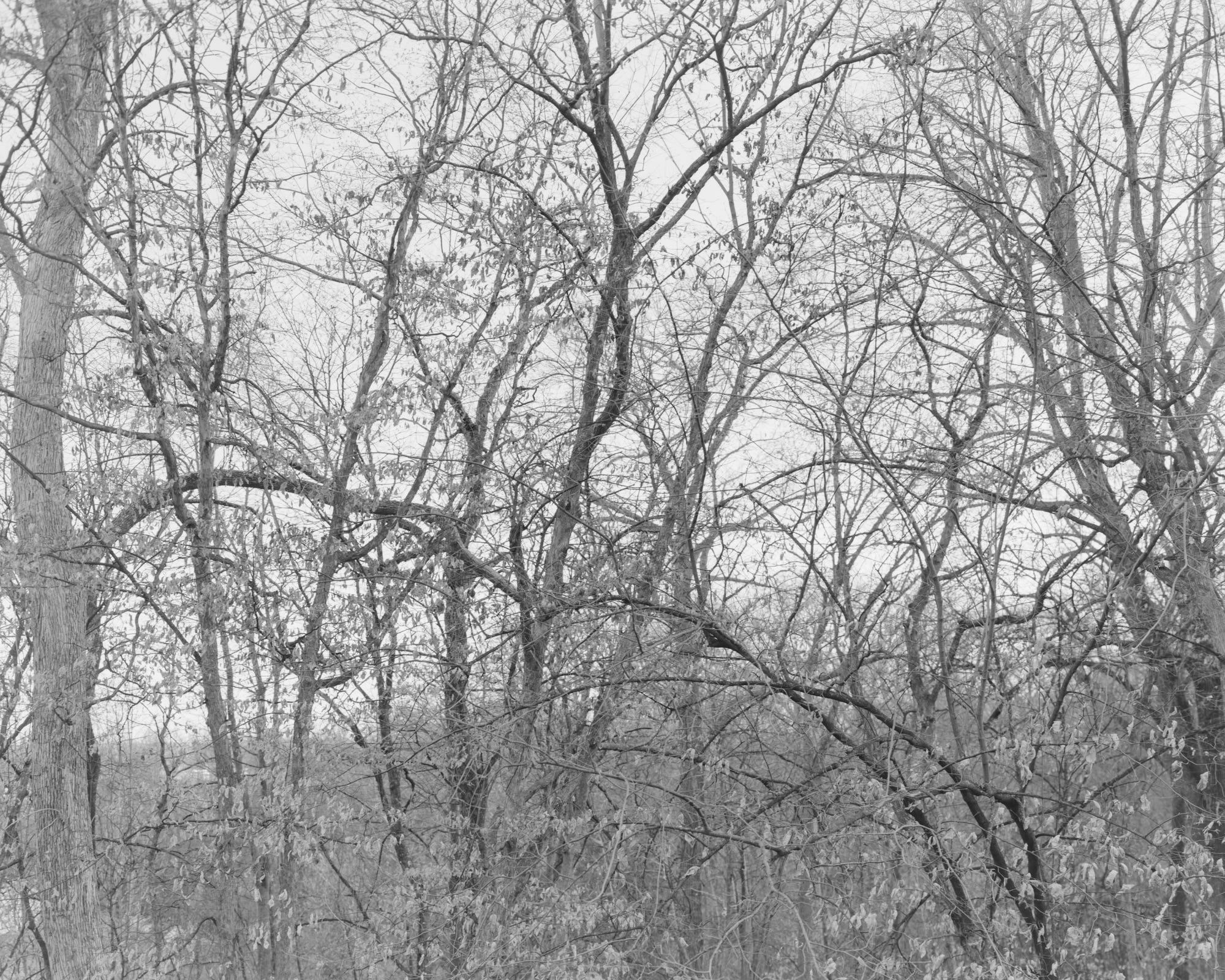
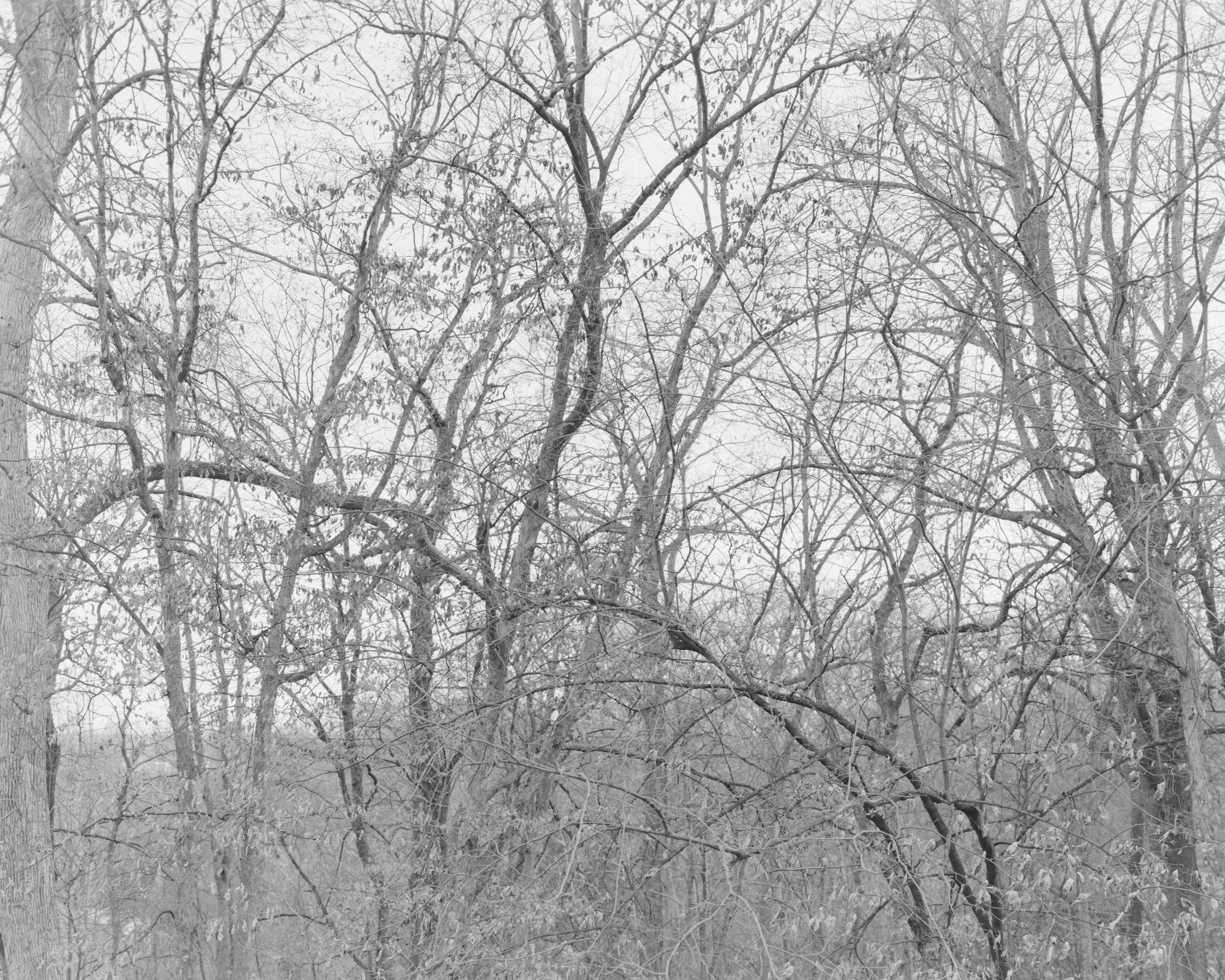
The histograms for each of these show the changes in exposure and dynamic range:
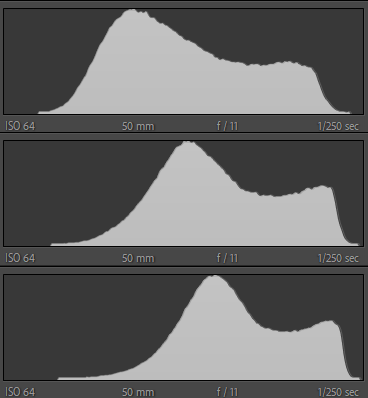
The main changes are a raising of the black point and a compression of the tonal dynamic range.
Next, I ran each through Negative Lab Pro. This normalised the dynamic range, making the comparison less about exposure and more about the impact on tonal values.
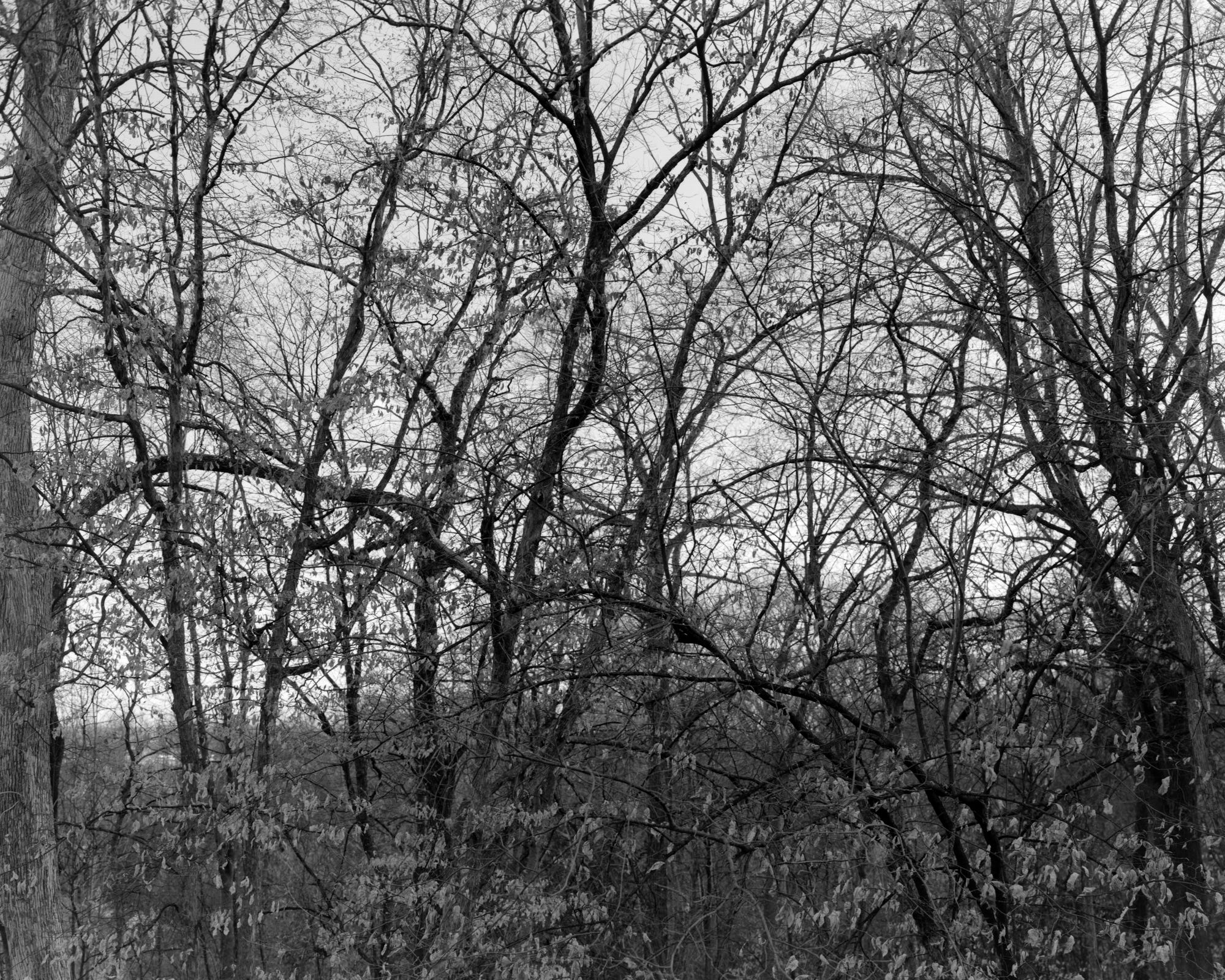
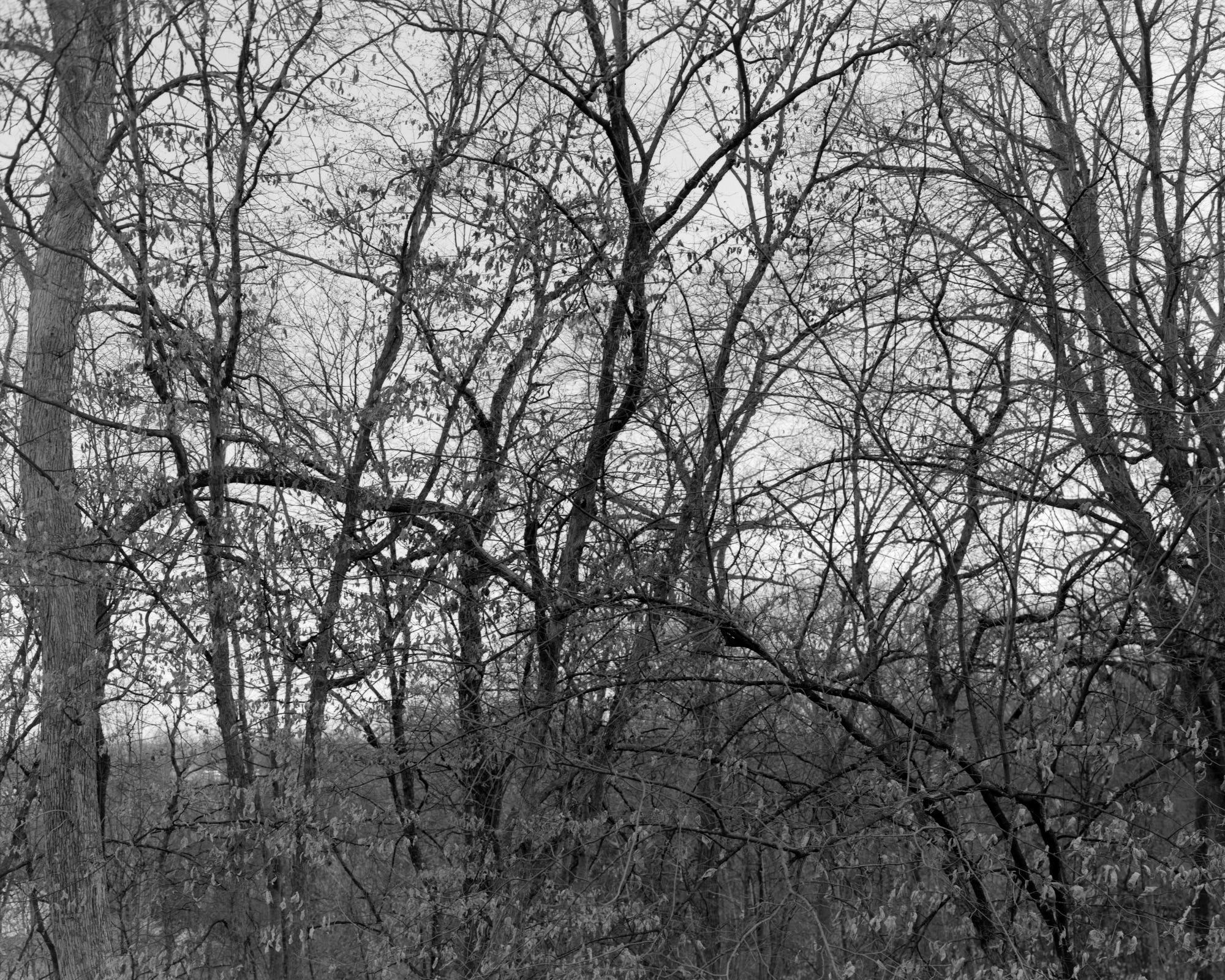
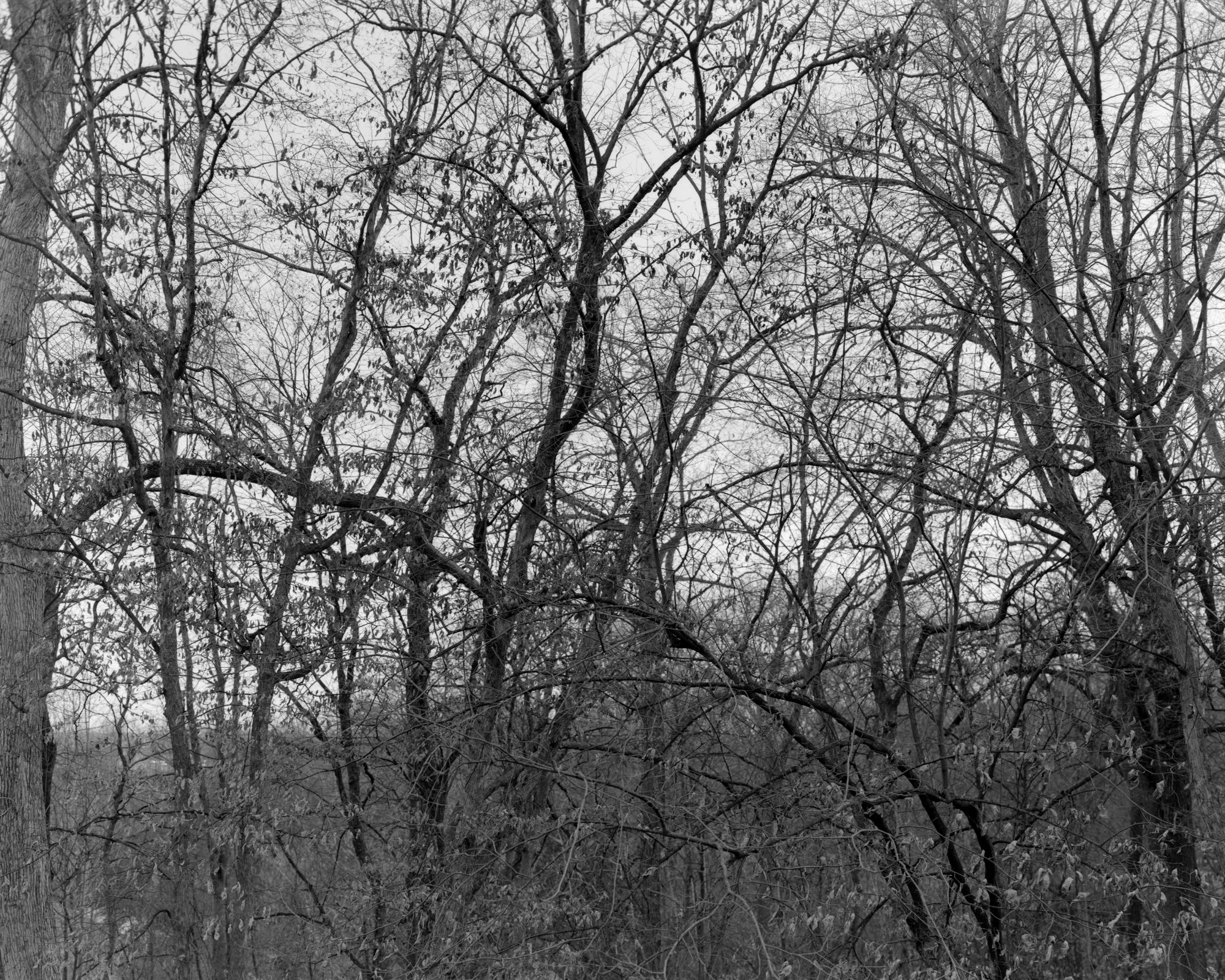
Here are the histograms for the final three images:
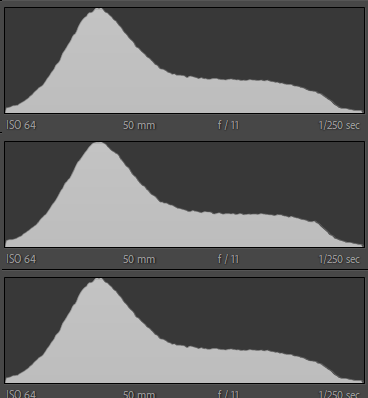
The yellow and red filters created a greater peak in the tones – which is the contrasty impact for which these filters are renowned.
So, in summary, exactly as advertised, the red filter requires three stops of “extra” light to match the exposure of the unfiltered photograph, and the Yellow filter needs one stop of light. In addition, the red and yellow filters do indeed peak the contrast. Of course, there are the subtle variations in colour hues and tonality that are visible in the final images. I think I will be using these filters a lot going forward.