These are some of the first 12 photographs I took with the Hasselblad 500C/M I acquired from a great friend. I forgot my light meter on the trip, so all the exposures were guestimates. The camera is fully manual, and so are the lenses. Learning to focus is quite a challenge; the camera has a waist-level viewfinder, so I am squinting at a reversed image on a ground glass screen; the left is right, and the right is left. I shot the first roll handheld as I didn’t have a tripod adapter for the camera. The lens has distance markings, so I zone-focused and hoped for the best.
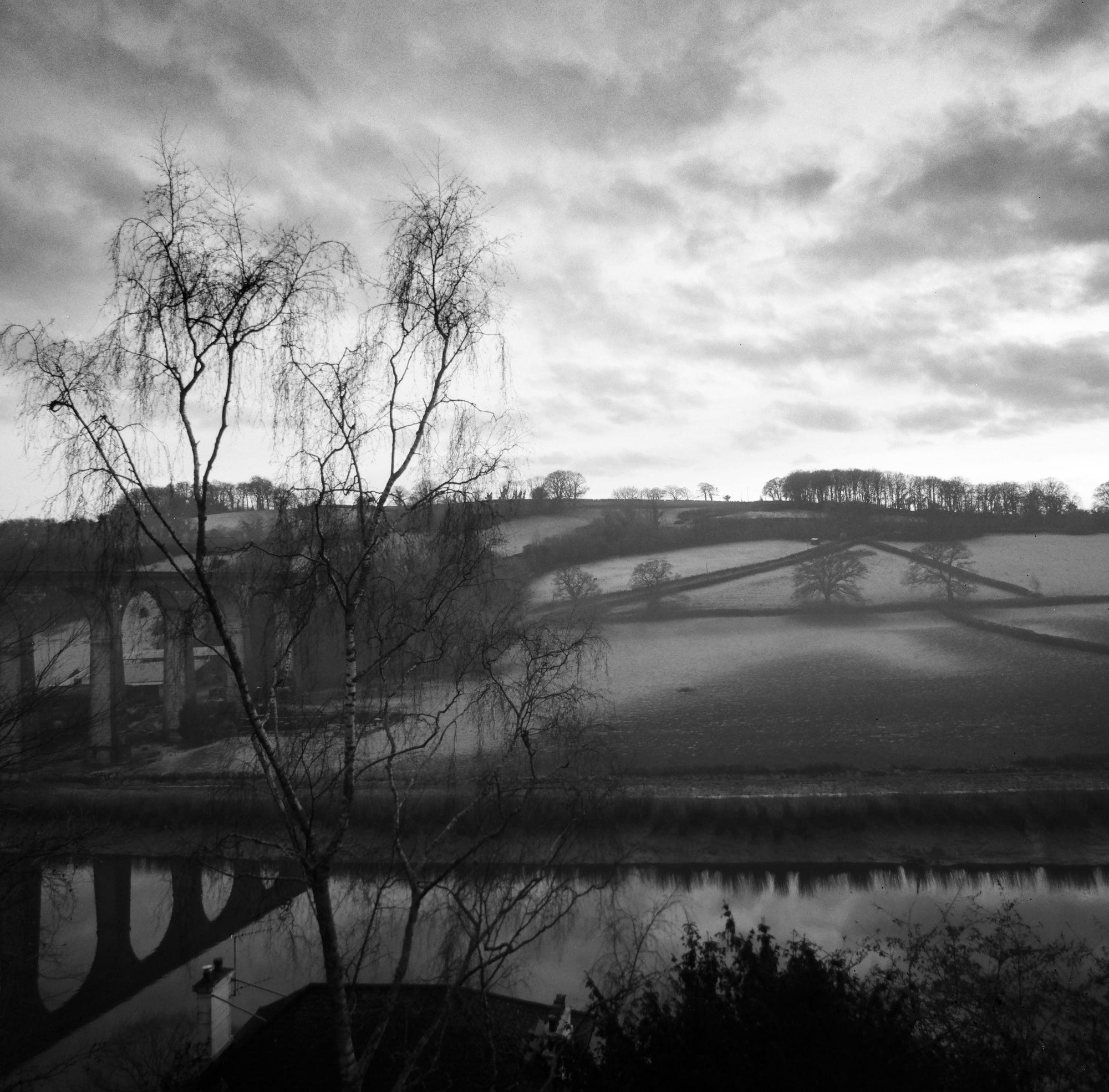
I am pleased with the outcome. The images are relatively sharp, the tonal range is lovely, and the grain is a pleasant addition. I have become accustomed to the incredible clarity and sharpness of my Nikon Z7ii, and these images are different, softer, and more subtle. One could argue that the Nikon is more refined, but I would hesitate to use that word. Instead, I would say the digital Nikon camera has greater clarity, and the Hasselblad has more warmth.
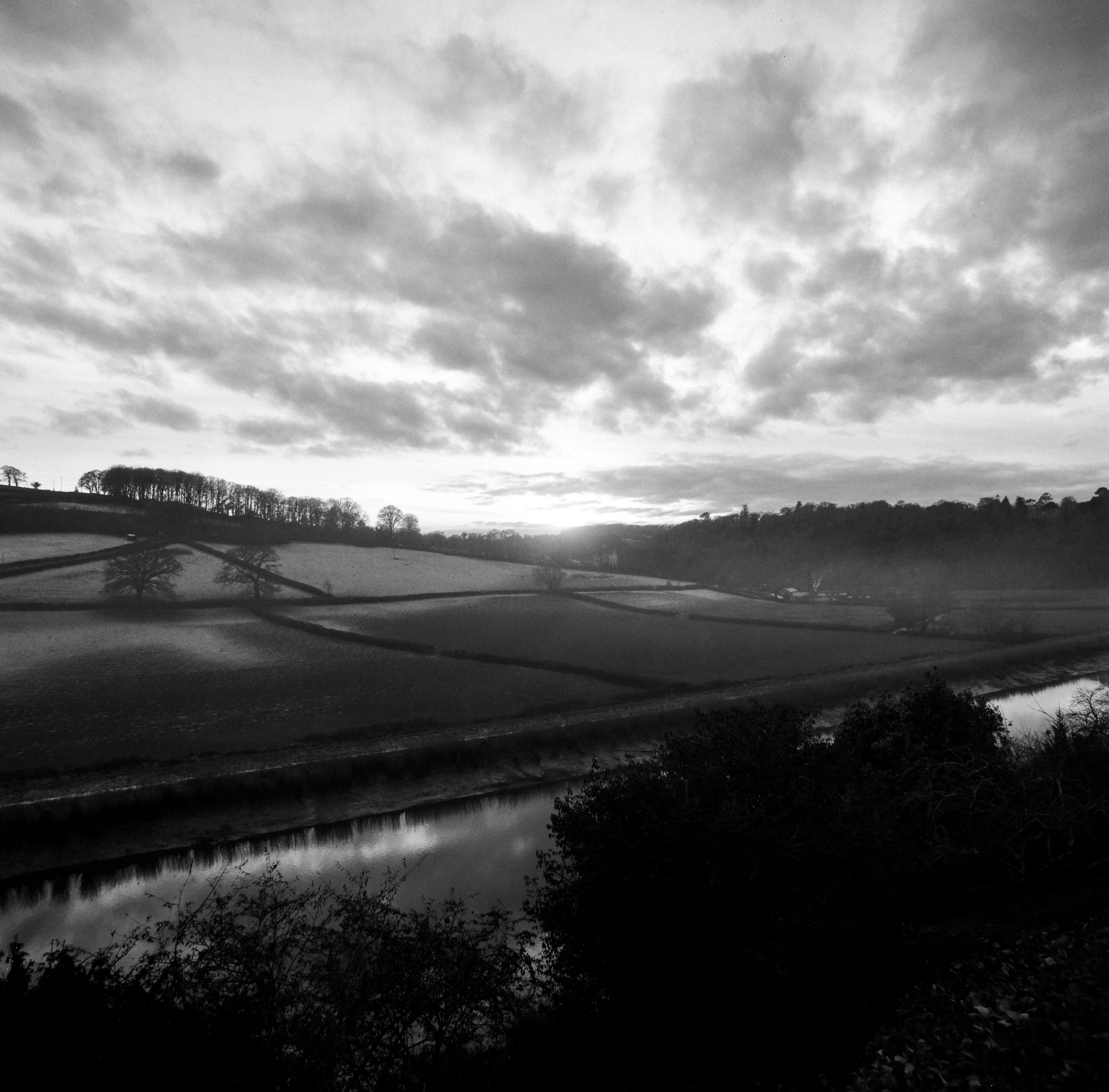
The Hasselblad is considered a medium-format camera. The film is roughly two inches square, and each 120-film roll has 12 exposures. Once developed, the negatives are scanned. I paid for the “super scan” equivalent to a 45-mega-pixel resolution, the resolution of my Nikon. I noticed a lot of dust and hair on the images when I started pixel peeping (looking at high magnification), and I plan on rescanning them when I get the negatives back. Perhaps the scanner was dirty, or the film needs to be blown clean.
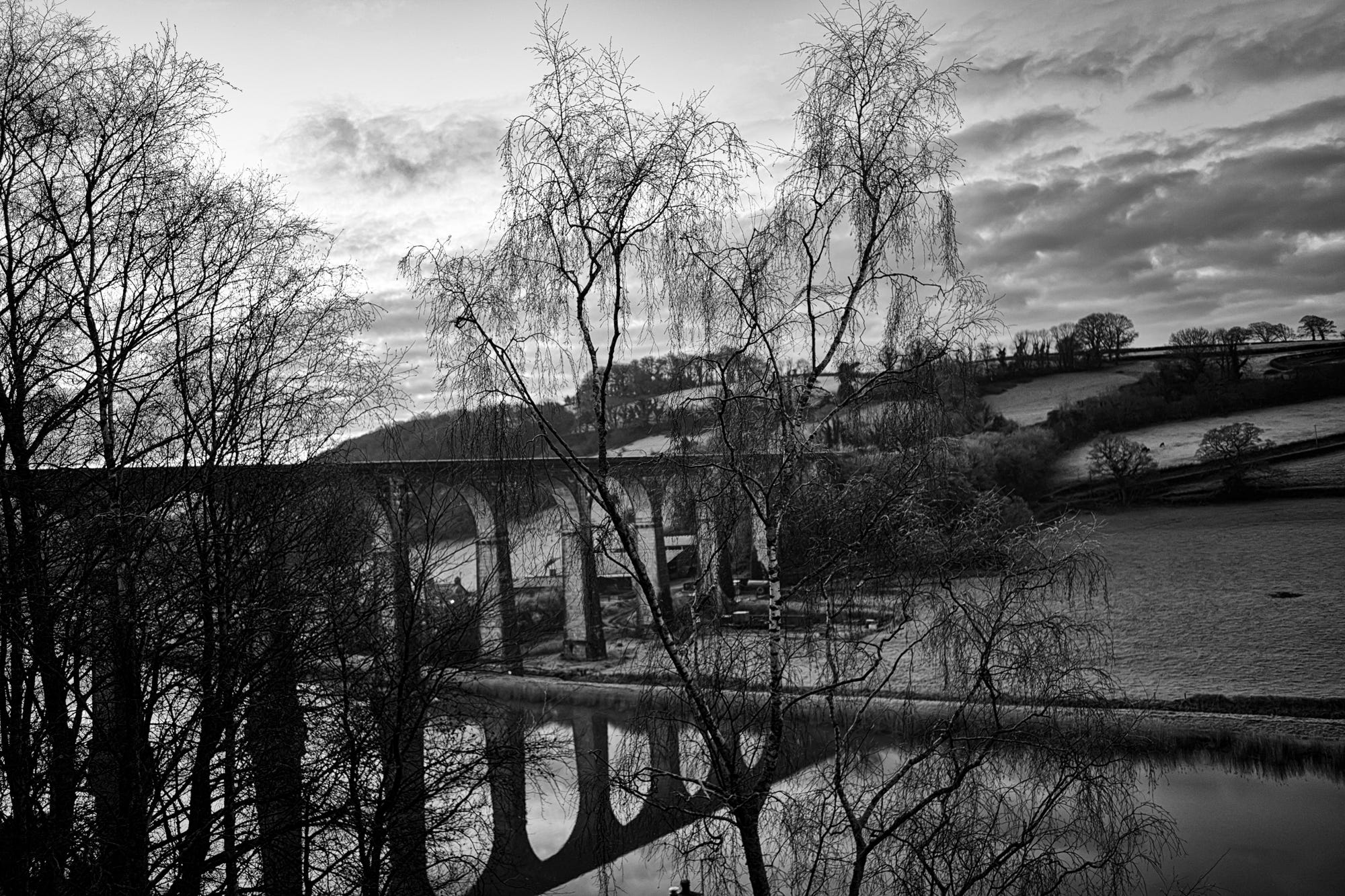
I included this image I made using the Nikon Z7ii as a comparison so you can see the two different technologies and make your own decision.
I look forward to working on the Hasselblad and learning to get the best out of it.