The Boundary Waters is a collection of land in north Minnesota which includes Voyageurs National Park, the Boundary Waters Canoe Area Wilderness (BWCA) and the Superior National Forest, both administered by the United States Forest Service. The combined area is a breathtaking expanse of pristine lakes, dense forests, and thriving wildlife. It is one of the most ecologically valuable and visually stunning regions in the United States. Spanning over a million acres along the Canadian border, it offers solace to adventurers and a critical habitat for countless species. This unique and fragile environment faces mounting threats due to political policies and industrial initiatives related to copper-nickel mining and logging.
This photography project seeks to document the stunning beauty of the Boundary Waters as it exists today and the environmental pressure brought about by industrial activities and policies. The aim is to create a compelling visual narrative highlighting the importance of preserving the Boundary Waters while capturing the tangible impacts of human intervention.
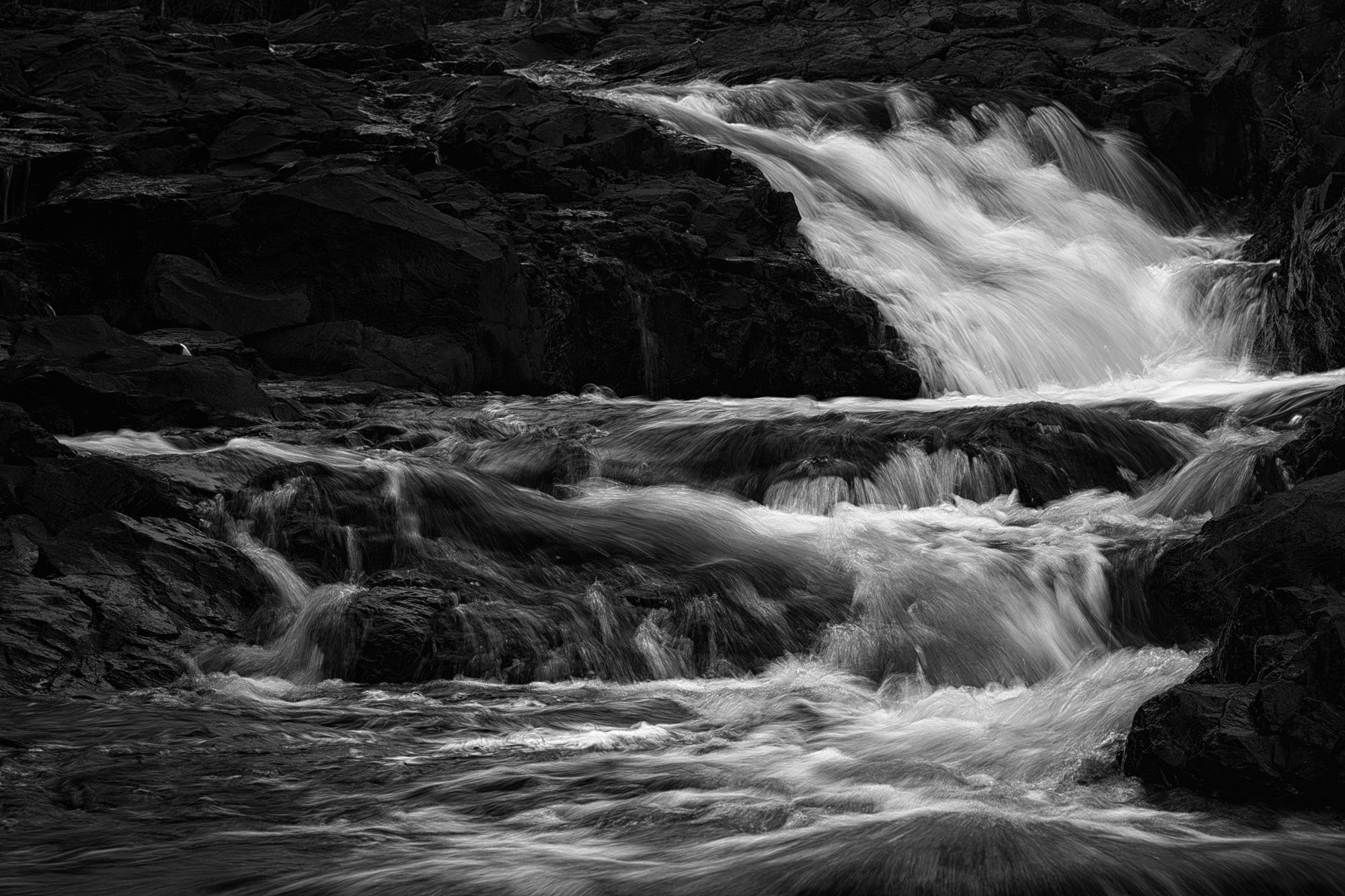
At its core, this project begins with celebrating untouched natural beauty. The early phases will focus on capturing the raw splendor of the Boundary Waters as it is now—its mirror-like lakes, ancient pine forests, and vibrant ecosystems. These images will showcase the diversity of flora and fauna, the interconnectedness of life in the wilderness, and the tranquility that draws visitors from around the globe. The camera will act as a window into a world that remains, for the moment, largely unspoiled.
As time progresses and policies take effect, the project will shift its lens to explore the changes occurring within the environment. Copper-nickel mining, for example, has been a contentious issue, with potential repercussions including water pollution, habitat destruction, and ecosystem degradation. The photographs will do more than juxtapose the “before” and “after” states. Still, they will visually chronicle the environmental impacts and serve as a sobering reminder of the delicate balance between human activity and environmental stewardship.
Visual storytelling will play a vital role in this project. These images will emphasize the beauty of what is at stake and the stark reality of what may be lost. Photographs of waterways impacted by mining runoff and forests succumbing to degradation will provide undeniable evidence of the consequences of policy decisions.
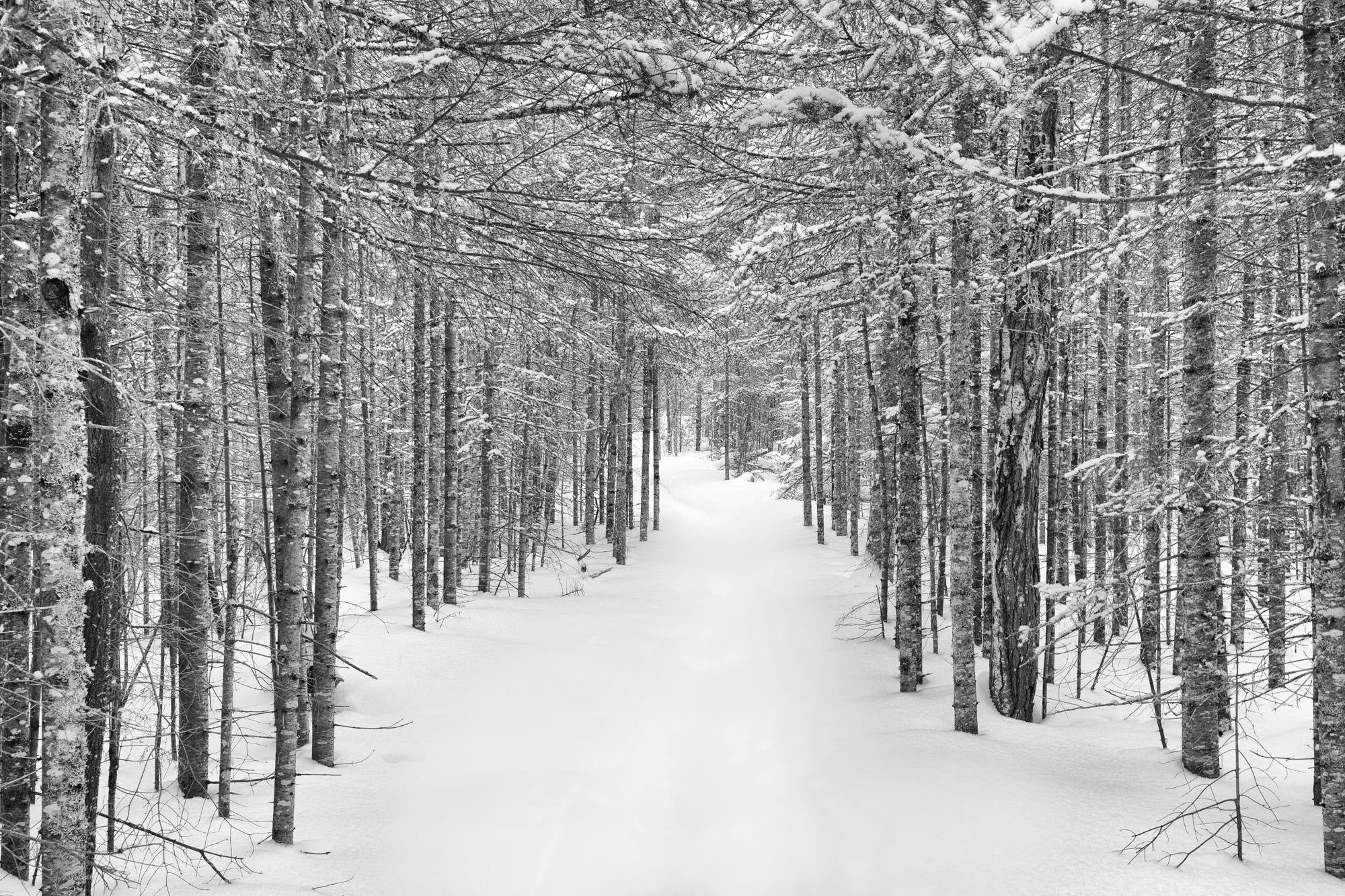
The genre of Fine Art Landscape Photography often captures the beauty and majesty of the natural world, emphasizing vast vistas and the interplay of light and shadow. The choice of black and white aligns with these traditions, highlighting the form and texture of the land.
Photographers like Ansel Adams have significantly impacted the genre with their meticulous attention to detail and mastery of tonal range. Adams’s skill not just in conveying the grandeur of the American West but also in fostering the viewer’s connection with and desire to preserve our wildernesses inspires this project.
The long-term goal of this project is to raise awareness and provoke dialogue about the environmental implications of political policies. By engaging viewers with visually striking and emotionally resonant imagery, the project aspires to inspire action through advocacy, conservation efforts, or policy reform. The photographs will serve as a testament to the Boundary Waters’ intrinsic value and a call to preserve it for future generations.
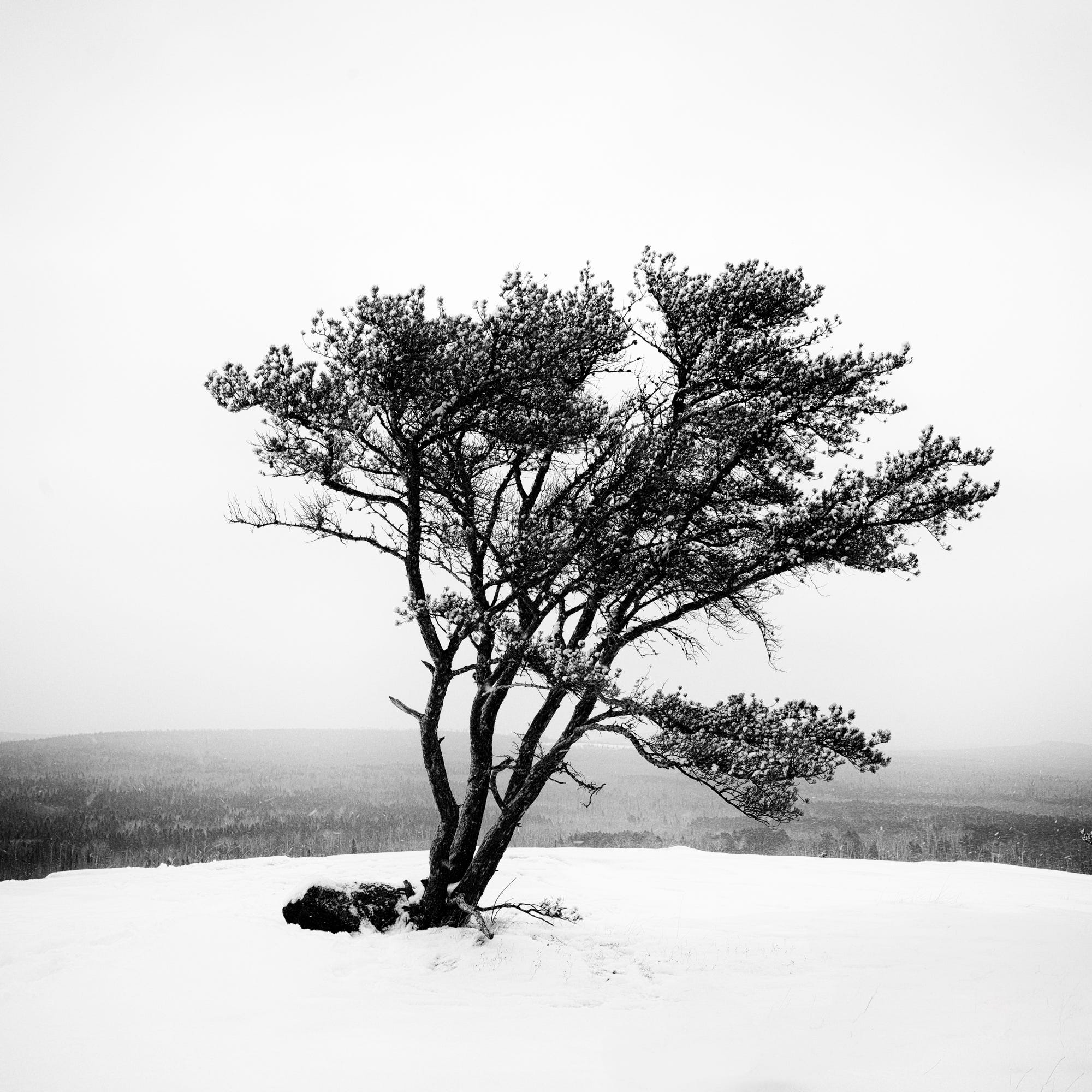
This body of work is intended for exhibition in galleries, environmental journal publications, and digital media dissemination. By reaching a broad audience, the project hopes to foster a sense of connection and responsibility toward one of the most treasured wilderness areas in the United States.
Ultimately, “The Boundary Waters Legacy” is more than a photography project—it is a testament to the power of visual storytelling to reveal truths, evoke emotions, and inspire change. Through the lens, we will witness the transformation of a landscape and the ongoing struggle to protect the irreplaceable.
This project will not be completed during this semester. This class period will serve as an initial research phase to document the impending policies and impacts and begin to capture photographs of the region’s pristine beauty.
Background research:
1. Public Land Order No. 7917: Federal Register :: Public Land Order No. 7917 for Withdrawal of Federal Lands; Cook, Lake, and Saint Louis Counties, MN Ordered by the Biden administration on 1/31/2023 protected the BWCA from mining leases for 20 years.
2. Superior National Forest Restoration Act: H.R.3195 – 118th Congress (2023-2024): Superior National Forest Restoration Act | Congress.gov | Library of Congress. Proposed by Republican Congressman Stauber to reinstate mineral leases in the BWCA.
3. Project 2025, page 523: Mandate For Leadership – Project 2025 PDF Document : The Heritage Foundation: Free Download, Borrow, and Streaming : Internet Archive. Heritage Foundation plans to revisit energy and mineral production in the BWCA.
4. Reuters US Forest Service Fires 3,400 workers, National Park Service cuts 1,000: US Forest Service fires 3,400 workers, Park Service cuts 1,000 | Reuters. The Trump administration orders a massive reduction in the size of the government workforce, impacting the Forest Service and National Park Services.
5. Boundary Water Canoe Area Wilderness mining restrictions modified: HF 309 Status in the House for the 94th Legislature (2025 – 2026). Minnesota State Senator Steve Cwodzinski and State Representative Alex Falconer introduced the Boundary Waters Permanent Protection Bill.
6. Save the Boundary Waters: Protect the Boundary Waters from sulfide-ore copper mining. | Save the Boundary Waters is a Minnesota-based nonprofit dedicated to protecting the BWCA from exploitation.
7. Presidential Executive Order: Addressing the Threat to National Security from Imports of Timber, Lumber – The White House Agenda to remove protections and review from logging activities hidden in plain sight.
8. Presidential Executive Order: Addressing the Threat to National Security from Imports of Copper – The White House Agenda to remove protections and review from copper mining activities hidden in plain sight.