The Boundary Waters is a collection of land in north Minnesota, including Voyageurs National Park, the Boundary Waters Canoe Area Wilderness (BWCA) and the Superior National Forest, all administered by the United States Forest Service. The combined area is a breathtaking expanse of pristine lakes, dense forests, and thriving wildlife. It is one of the most ecologically valuable and visually stunning regions in the United States. Spanning over a million acres along the Canadian border, it offers solace to adventurers and a critical habitat for countless species. This unique and fragile environment faces mounting threats due to political policies and industrial initiatives related to copper-nickel mining and logging.
This project will combine linguistic and medium-based concepts. It will use form and narrative to depict the natural beauty of the region while connecting the viewer to the literal subject—the potential loss of this region to man’s greed through policy and commercial activity.
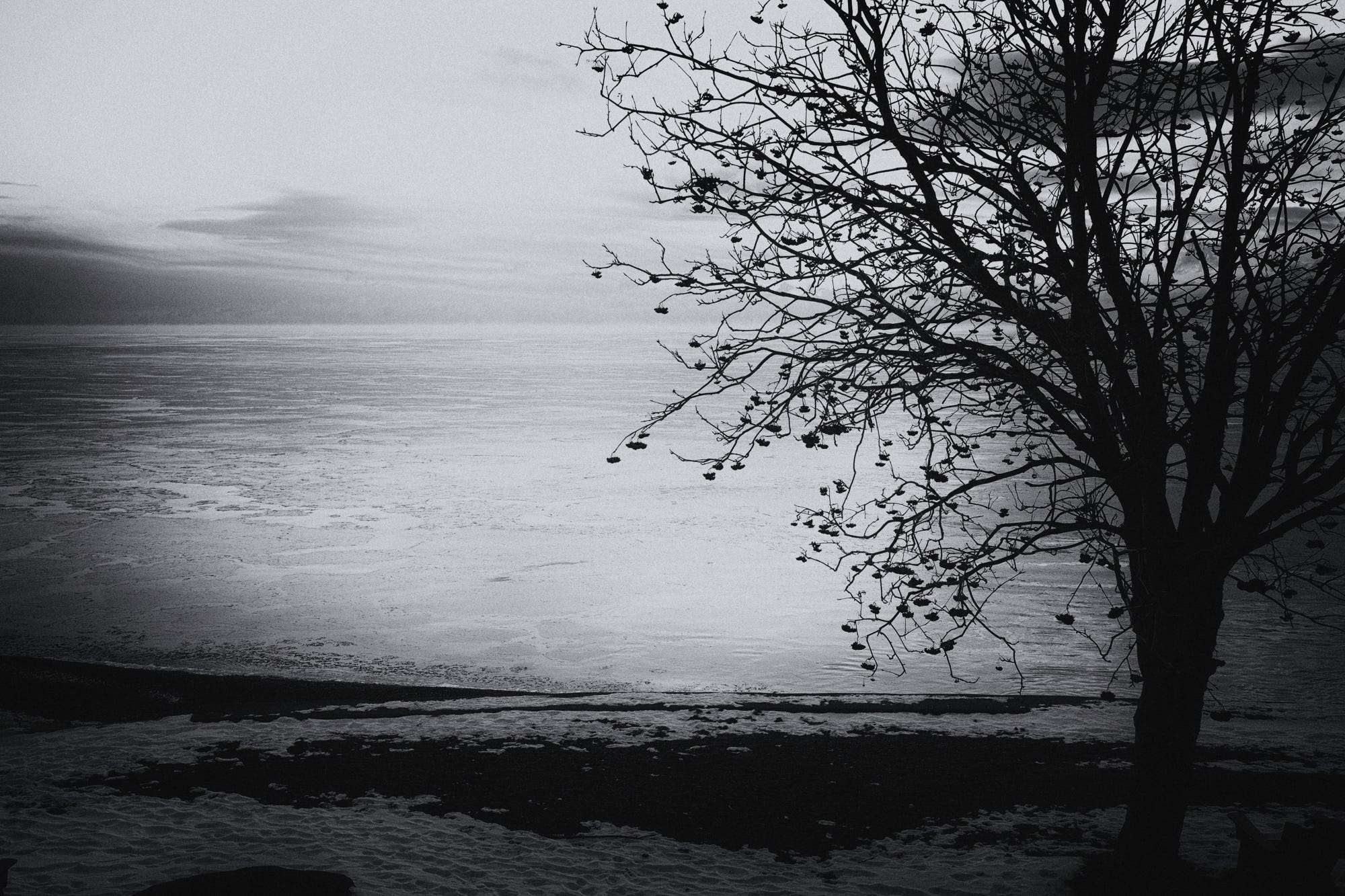
Photography and, more broadly, art have been used historically to connect broader audiences with the wilderness. The works of Ansel Adams, the photographer, and Thomas Moran, the painter, used their art to illuminate the need to protect our natural landscapes. Moran was pivotal to the protection of Yellowstone, and Adams worked through the Sierra Club to help create and conserve many of the current parks. They both excelled at capturing natural light, illuminating their subject matter’s beauty. They are both the influence and inspiration for this proposed body of work.
The primary visual syntax will be tone. Used evocatively to create and shape form and focus the viewer. Form will play a substantial role in this project. Watercourses’ natural curves will represent the current harmonious balance, enhanced further by stabilising triangular forms that occur tonally around waterfalls. In contrast, open forms that exit the frame will highlight vulnerability and create tension, heightened using tones to create contrast and elevate emotions such as foreboding, fear, and a sense of loss. Textures will be used to enhance the viewers’ awareness of the delicate fragility of the ecosystem.
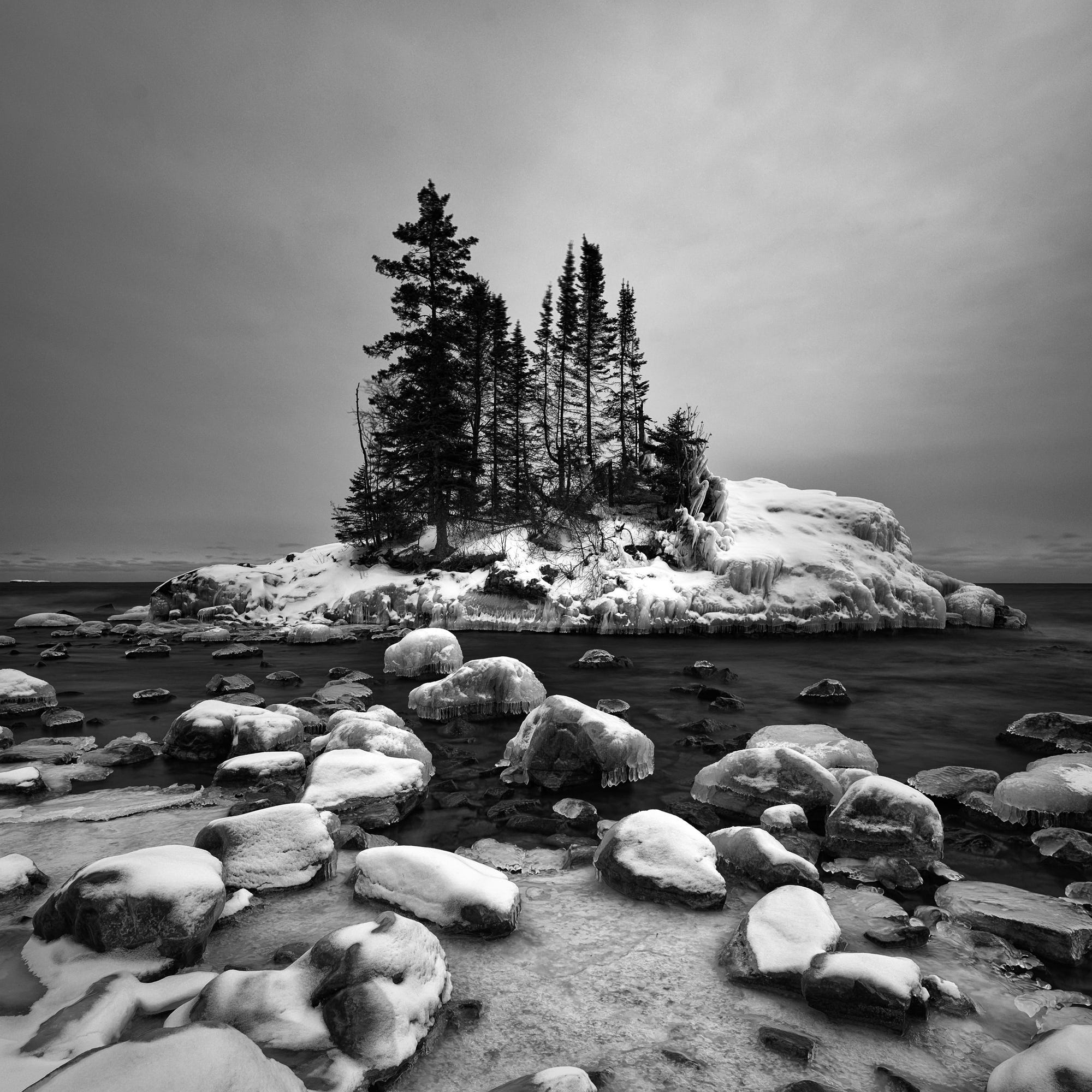
The subject matter is the landscape, forests, lakes and rivers. To capture their beauty and vulnerability, the project will use a 4×5 large format field camera, backed up with a high-resolution digital camera. The choice of large format film is informed by the camera’s ability to enhance creative control by providing massive resolution and superb image control of perspective and focus using tilt, shift, and swing. The images will be rendered onto black and white low iso film to simplify processing and to allow extruded time captures of water motion. The choice of film stock, Ilford Delta 100, will balance the film aesthetic and grain with the desire for detail. ND filters will be used to control exposure and enable extruded time captures, and colour filters will be used to allow in-camera contrast control. Polarizing filters will reduce glare and reflection, which can negatively impact black and white tones. The film aesthetics provide nostalgia and pay homage to the greats like Adams. This connection to well-known artists’ aesthetic will assist the narrative of beauty and wilderness needing protection and preservation.
By recording the region’s beauty, it is hoped to communicate its fragility and influence the viewers’ perspective on policy that impacts the region. This will cause them to reflect on their own connection to nature and persuade them to act.
The finished work will be exhibited in a large, printed form. The framing and matt styles will vary depending upon the particular emphasis of the image. Varying aspect ratios and mat proportions will emphasize form and narrative. In addition to being exhibited physically, it will be used to create a photo essay, allowing for the possible syndication of the work online and increasing its relevance and political impact.
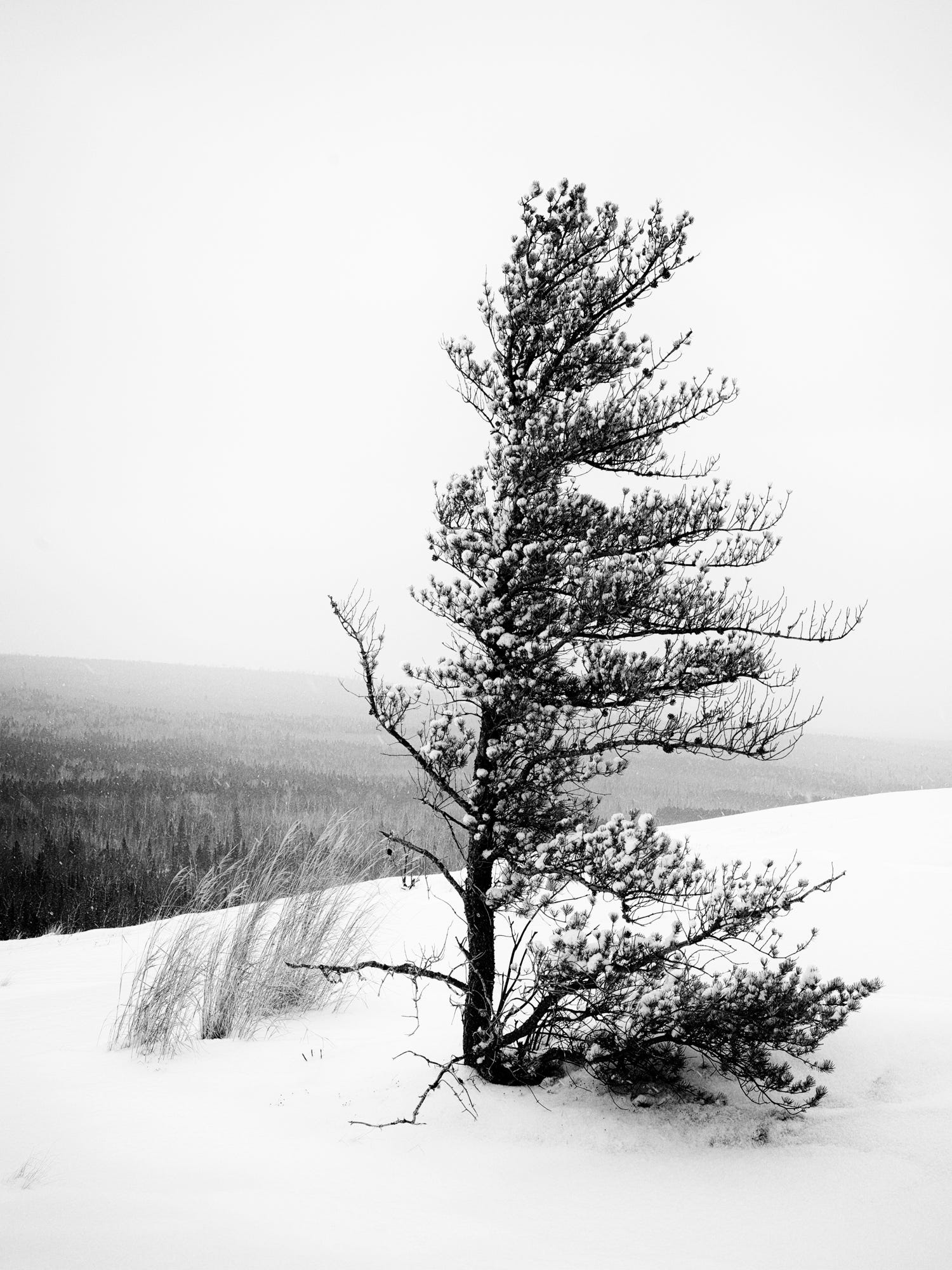
To quote Teddy Roosevelt:
“Here is your country. Cherish these natural wonders, cherish the natural resources, cherish the history and romance as a sacred heritage, for your children and your children’s children. Do not let selfish men or greedy interests skin your country of its beauty, its riches or its romance.”