Category: Uncategorized

  • The Kindest Decision We Could Make

    The Kindest Decision We Could Make

    There are moments in life when feeling becomes difficult. Not absent. Not numb. Simply difficult. As though emotion has become a weight that must be carried rather than something that rises naturally within you. Since my father died, I have lived inside that quiet and disorienting space, where grief moves like a low tide, present yet somehow beyond reach, and where the decisions of his final days continue to ripple through the stillness.

    End of life care is not a single act. It is a slow passage through thresholds. Each one asks for courage you do not know you possess until you are standing before it. The first threshold arrived with a phone call.

    The surgeon told us that my father had suffered a massive blood clot. Removing it would almost certainly cause catastrophic and unrecoverable brain damage. Leaving it in place would lead to the same horizon. There was no path that returned him to himself. Only two routes that ended in the same quiet place.

    We listened together. The weight of the truth overwhelmed my mum. I heard it in her silence, in the way her voice folded when she tried to speak. And something shifted in both of us. My father had spent a lifetime preparing me to lead, to take responsibility, to care for our family. He taught steadiness, discernment, and the quiet courage of doing what must be done. Yet knowing this and living it are not the same. When the moment arrived, it still came as a shock.

    We understood that we would have to guide ourselves through decisions no family should ever have to make. We would have to carry the responsibility together. I stepped forward because she needed space to breathe, but every decision was shared. Every threshold was crossed side by side. She was not a witness. She was his wife, my mother. She was part of every choice.

    The clinical team met us with extraordinary kindness. The surgeon spoke plainly but gently. The anaesthetist explained the realities of brain injury with a softness that felt almost protective. The nurses carried a quiet compassion that made the unbearable just about survivable. They did not tell us what to choose. They helped us understand what each choice meant, and they held us steady as we walked through each one.

    After the decision not to operate came the next threshold. Agreeing to a DNR. In England one does not sign such a document. It is a clinical decision made in partnership with the medical team. But the emotional weight is the same. It is the moment you acknowledge that the focus has shifted from prolonging life to preserving dignity. We agreed it together, holding the truth gently between us.
    Then came the hardest threshold of all. The nil by mouth order. A phrase so clinical it barely hints at its consequence. It is the moment you accept that the body is no longer sustaining life, only prolonging suffering. It is the moment you choose comfort over continuation. It is the moment you recognise that the person you love has already gone in ways no monitor can show.

    We wrestled with that decision. It felt like an ending we were authorising. Yet the medical team explained, with a compassion that still stays with us, that this was not an act of taking life, but an act of recognising its natural conclusion. Humane care sometimes means stepping back and allowing nature to complete what medicine cannot mend.

    There is a strange reality that comes with profound brain injury. A reality that unsettles everything you think you know about life. The body continues. The chest rises and falls. The skin remains warm. Reflexes flicker. But the person, the self, the story, the spark, those have already slipped beyond reach. It is a kind of living that is not living. A kind of presence that is not presence.

    How does one decide what is humane in that space.

    There is no universal answer. Only love, and the willingness to face what love requires. For us, humane meant acknowledging that my father’s body was performing functions without purpose, without awareness, without him. Humane meant choosing peace over prolongation. Humane meant trusting the guidance of those who had walked this path with countless families before ours.

    Humane meant letting him go.

    It was the kindest decision we could make.
    Since his death, feeling has become difficult. Grief has not arrived as a storm. It has arrived as a tide. Slow. Persistent. Sometimes pulling me under. Sometimes leaving me strangely still. I find myself returning to those decisions, touching them lightly, questioning them, affirming them, grieving them. I think about the surgeon’s hand resting briefly on my shoulder. The anaesthetist’s gentle explanations. The nurses who tended to him as though he were still fully himself.

    Their compassion did not erase the weight of the decisions. It simply helped me carry it.

    I am learning that feeling after a death like this is not straightforward. It is layered. It is delayed. It is shaped by the knowledge that I helped guide him through his final days. It is shaped by the understanding that love sometimes looks like action, and sometimes looks like surrender.

    I do not yet know what healing will look like. But I know this. The decisions made at the end of his life were made with love, with clarity, with compassion, and with a deep desire to honour the man he was. And perhaps, in time, that will help me feel again. Not with difficulty, but with gentleness.

    For now, I write. Because writing is how I breathe. Writing is how I make sense of the impossible. Writing is how I carry him forward.
  • The Day After

    The Day After

    Death did not arrive the way grief did. Grief swept in like weather on the moors, sudden and indifferent, a force that does not ask permission. Death came differently. It came slowly, step by step, breath by breath, until the body that held a life could no longer hold on. It took nine days for my father to reach that point. Nine days from surgery to silence. Nine days of watching him drift further from us, even as we held him close and tried to anchor him with our love.

    Mum kept vigil by his side for all nine of those days. Nine days of sitting in those hospital rooms, watching the rise and fall of a chest that grew quieter with each hour. Nine nights of loving him with every fiber she had left. The time was precious, because it gave us the chance to say everything we needed to say, to hold him, to thank him, to love him without hesitation or reserve. And it was painful, because waiting is its own kind of torment. You watch the person you love diminish, breath thinning, presence fading, and you can do nothing but stay. Staying becomes the act of love. Staying becomes the only thing left.

    His death was both a relief and an anguish. Relief that he finally listened to us and let go. Anguish because we never wanted to let go ourselves. Love is stubborn like that. It clings. It resists. It refuses to accept what the body already knows. Even when the mind understands, the heart holds on.

    He died at 9:27 in the evening. I had just started brushing my teeth when Mum texted me to come back. She did not need to say anything else. I knew. We hurried to his bedside. A nurse was listening for a heartbeat that was no longer there. The room was still, no longer filled with the sound of his racing breath. That sound had been the rhythm of our vigil, the pulse of our waiting, and now it was gone. In its place came the sobs of his beloved, the sound of a life breaking open.

    Our minister friend arrived soon after. She helped us bless and anoint Dad with Celtic words and holy water. The moment was peaceful. It was beautiful. It was deeply meaningful. Dad would have laughed at our sentimentality, but we did not care. We said goodbye the way we needed to, the way love demanded, the way grief insisted.

    Yesterday was our first day after his death. I woke with a knot in my chest, a tightness in my solar plexus that felt like anguish made physical. I could not shake it. I wanted to yell, to release something trapped inside me, but the day did not allow it. Perhaps I will do that soon. I feel the pull of water, the need to stand by the river or the sea, the places where I grew up alongside the man who made me, formed me, molded me, and prepared me for this moment. I need to be near water to steady myself, gather strength, and step up to wrap Mum in the love she now needs.

    Our girls flew home last night. Five thousand miles now between them and us, but they carry their papa in their hearts. I explained to them my view of a soul: that it is not a thing that leaves, but a thing that remains. A soul is the continued remembrance and influence of a life. It is the way he shaped us, the way he loved us, the way he will continue to live in the choices we make and the people we become. His soul is not gone. It is simply held differently now.

    Today my chest hurts a little less. My heart still aches. I made soup. Cooking is love. Caring is healing. Everyone let me heal a little today. I know I need to heal a lot more. Healing is not a single act. It is a long, slow unfolding, a quiet practice, a returning to the world one small step at a time.

    This is the day after. The beginning of the long work of grief. The quiet hours where love and loss sit side by side. The place where his absence becomes real, and yet his presence remains, steady and enduring, in the people he shaped and the love he gave without measure. The day after is not the end of anything. It is the start of carrying him forward.
  • Good Grief

    Good Grief

    Grief arrives like weather on the moors, sudden, uninvited, and entirely indifferent to whether you are ready for it. It sweeps in with a coldness that feels older than you are, older than the land itself, and yet somehow it carries a strange, aching warmth. A reminder that love has lived here. That love still lives here.

    I am writing this from a hospice ward in Mount Gould, Plymouth, where my father lies unconscious, his breath thinning in the quiet hours. Three days ago he was responsive, faintly, inconsistently, but still present enough to remind us of the man he has always been. Direct. Uncomplicated in his honesty. Unafraid of naming things as they are. He never liked euphemisms, never softened the edges of reality. He called dying dying, and death death, and now here we are, watching both approach without disguise.

    The stroke, the swelling, the clot, they have taken him somewhere we cannot follow. His body remains, but the man we knew has slipped beyond reach. We sit beside him anyway. Family. Friends. People who loved him in all the ordinary and extraordinary ways that make a life. We hold vigil not because we expect him to wake, but because this is what love does when it has nowhere else to go.

    And yet, in the middle of this horror, this slow and unrelenting unravelling, I keep circling back to the phrase that has lodged itself in my mind, Good Grief.

    It sounds absurd at first. A contradiction. A joke made in poor taste. But grief, when you sit with it long enough, reveals its second face. It is not only the tearing, the breaking, the hollowing out. It is also the stitching. The clearing. The making space for what comes next. Grief is the body’s way of honouring what mattered. It is the mind’s way of refusing to let love vanish without ceremony.

    Good grief is not gentle. It is not tidy. It does not arrive with lessons pre packaged or meaning neatly arranged. It is raw and British in its bluntness, a storm rolling in off the Channel, salt in the air, wind that cuts straight through you. But it is honest. It is necessary. It is the only thing capable of holding the truth of what is happening here.

    My father is dying.

    And grief, unwelcome as it is, is the only thing large enough to hold that truth without collapsing.

    I watch his chest rise and fall. I think of all the versions of him that have existed across my life, the man who taught me how to stand upright in the world, the man whose humour was dry enough to crack stone, the man who never pretended to be anything other than himself. I think of the way he would have hated this limbo, this half state between living and gone. I think of how fiercely he valued clarity.

    So I write this clearly.

    He is dying.

    And we are learning, painfully and slowly, how to let him go.

    But there is something else here too, something larger than the grief itself. It is the shape of his life, the way he moved through the world, the way he touched people without ever making a fuss about it. He was not a man of grand gestures. He was a man of steady presence, of quiet reliability, of humour that arrived dry and sharp and perfectly timed. And somehow, through all of that, he cultivated a kind of love that reached far beyond the boundaries of family.

    Friends. Neighbours. Colleagues. People who crossed his path for a moment and left changed by it. He carried a warmth that was not loud but unmistakable, a generosity that did not announce itself but was felt all the same. In Buddhist terms, it was appamana metta, boundless loving kindness, immeasurable in its reach, uncontained by circumstance or distance. He did not know the word, but he lived the practice.

    And that is what endures now.

    Not the failing body. Not the silence of this room. Not the slow unwinding of breath.

    What endures is the love he gave so freely, the love he shaped us with, the love that will outlast this moment and every moment after it. Enduring love is not sentimental. It is not fragile. It is the kind of love that becomes part of the landscape, like the sea against the breakwater, like wind across the moors, like the stubborn resilience of the people who call this place home.

    Good grief is not about feeling good. It is about grief doing what it must do, clearing the ground, softening the soil, making space for memory to take root instead of rot. And in that cleared space, love remains. Not diminished. Not threatened. Simply present, in the way only enduring love can be.

    When the time comes, today, tomorrow, or some unknowable hour, he will die. Not pass. Not slip away. Die. And we will remain, changed by the brutality of this week and by the tenderness threaded through it.

    And grief, unwelcome companion though it is, will walk with us. Not to punish. Not to wound. But to remind us that love was here, fiercely and fully, and that its echo is worth carrying. His love, appamana metta in its truest form, will continue in us, in the people he shaped, in the lives he touched without ceremony.

    This is good grief.

    Not because it feels good.

    But because it is true.

    And because love, the enduring kind, does not die when a body does.

  • Five Months in Motion

    Five Months in Motion

    The past five months have unfolded with a kind of restless momentum, a season where everything seemed to be shifting at once: work, home, travel, the body itself. Nothing stayed still for long. The ground kept moving, sometimes with excitement, sometimes with exhaustion, sometimes with that quiet sense of inevitability that comes when life insists on its own pace.

    Before the semester fully took hold, we flew west to California. It was a return of sorts, not to a former home, but to a place that has shaped so much of my thinking. I visited the graduate program, met several of the faculty whose work has been quietly influencing my own, and walked the campus with that strange mix of familiarity and anticipation. The days around those meetings were spent hiking the coast and the woodlands north of San Francisco, moving through fog, eucalyptus, and the long, slanting light that always feels a little cinematic there. It was a grounding trip, a reminder of why I am doing this work and what it asks of me.

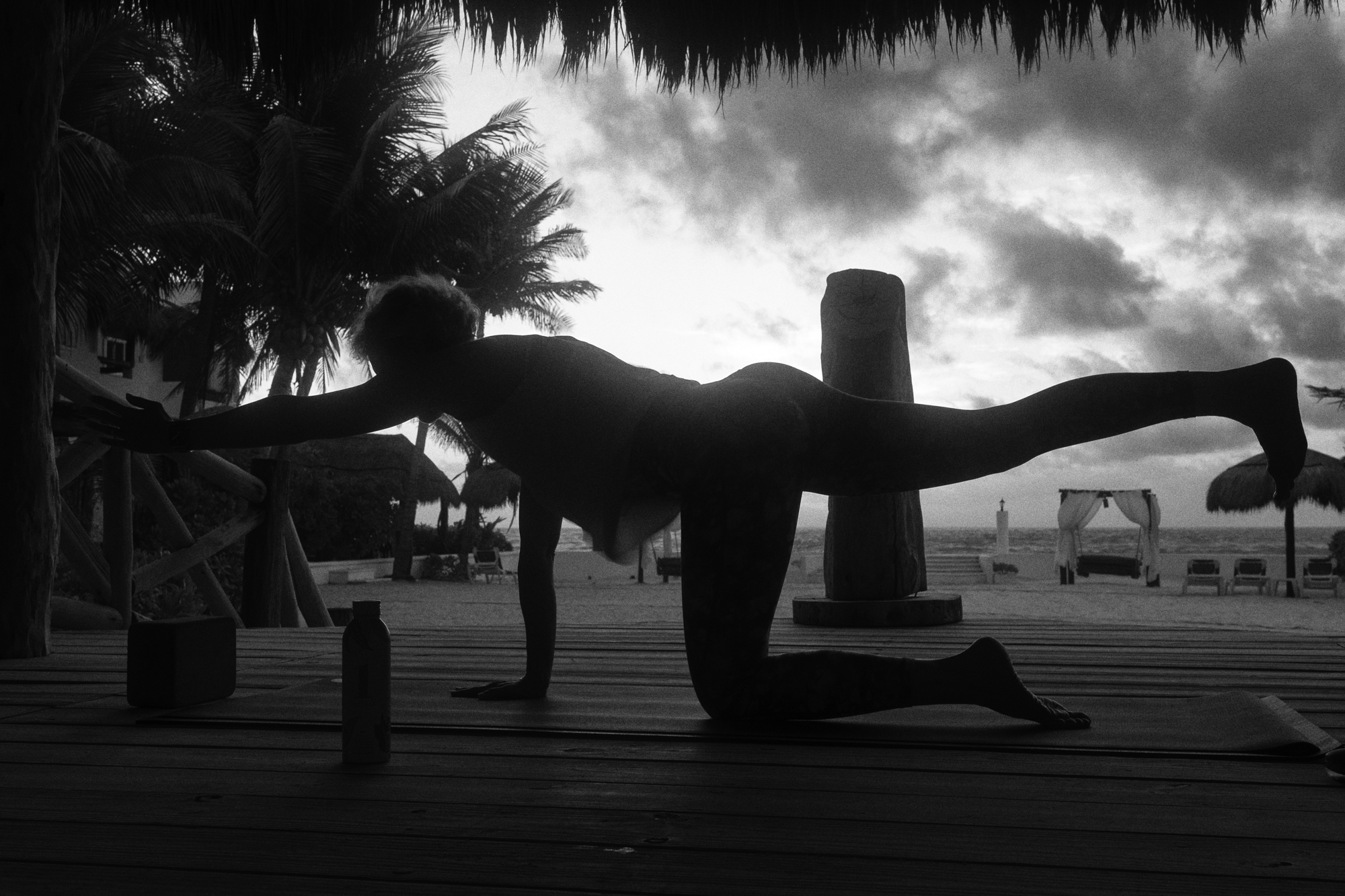
    Not long after, we headed south again, this time to Mexico for a retreat. Jacquelyn taught the physical practice of yoga while I led meditation, our roles weaving together in a way that felt both natural and newly aligned. The theme of the week, waves within, echoed through the sessions, through the quiet mornings and the long exhalations of the group. It was a brief pause in a year already accelerating, a moment where the internal tide settled before rising again.

    Then the spring semester arrived with its familiar compression. Graduate school has a way of turning weeks into a blur of critique, reading, and the slow, stubborn work of making. In Concept and Image, what began as a loose exploration tightened into something far more deliberate: Strands, the hand‑printed, hand‑bound photobook that became both an anchor and a release valve. The book grew page by page, print by print, until it felt less like a project and more like a small, self‑contained world, something shaped by touch, repetition, and the quiet insistence of craft. Binding it by hand gave the work a kind of finality, a sense that the ideas had settled into their own physical form.

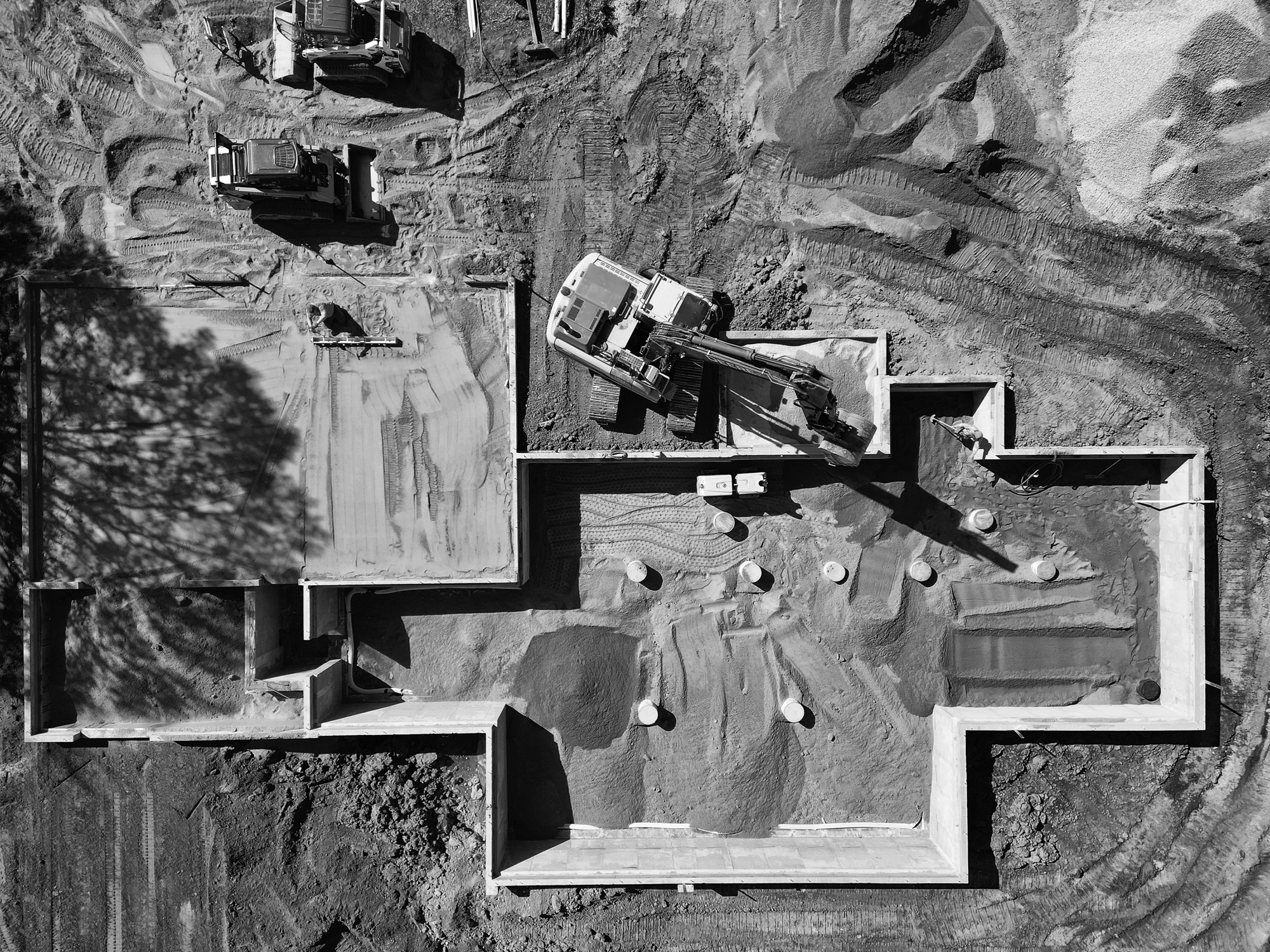
    Meanwhile, the house, the imagined house, the sketched house, the house that had lived for so long on screens and tracing paper, finally crossed the threshold into reality. Design gave way to demolition. Two old structures came down, leaving a raw, open space that felt almost too exposed. Then came the footings, the foundation, the concrete floors poured in slow, deliberate stages. Today, the framing began. Seeing the first lines of the house rise from the ground was like watching a drawing come to life. It is strange and grounding to witness something you have only imagined begin to take on weight and shadow.

    In the midst of all this building, we left. Europe pulled us across the ocean, Spain, France, Italy, Sardinia, Corsica, a long arc of coastlines, museums, narrow streets, and the kind of light that makes you stop mid‑stride. Travel always rearranges something inside me, but this trip carried its own complications. Halfway through, a sudden wave of food poisoning flattened me, turning days into a blur of nausea and recovery. Even now, three weeks later, my body is still negotiating its way back to equilibrium. Illness has a way of slowing time, of reminding you that momentum is never entirely yours to control.

    We returned home just long enough to repack before heading north for the long holiday weekend, introducing my daughter’s husband and his family to the Minnesota North Shore. Waterfalls, rocky shorelines, small‑town restaurants, art galleries tucked into unexpected corners. It felt like a gentle widening of the family circle, a way of stitching new relationships into familiar landscapes. There was something grounding in that, too.

    And through all of this, the work at Praxis kept evolving. What began as an internship has shifted into something more defined, more rooted: lead researcher for the gallery’s alternative process program. My days are now filled with the slow, methodical pursuit of repeatability, cyanotype curves, platinum/palladium exposures, photogravure plates, and the delicate balance between chemistry and intuition. This past weekend, I led my second workshop, and something clicked. The group found a rhythm, a shared sense of discovery. By the end, each student held a platinum/palladium print that felt both personal and beautifully resolved. Watching them see their images emerge in the developer, that quiet moment of recognition, reminded me why this work matters.

    Looking back, these months feel like a braid of movement and making, construction and collapse, travel and return. A season defined not by stability but by forward motion, sometimes graceful, sometimes chaotic, always carrying me toward something not yet fully formed. The ground is still shifting, but maybe that is simply the terrain of this moment in my life: a landscape in motion, asking me to move with it.

  • Six Months of Shifting Ground

    Six Months of Shifting Ground

    The past six months have moved with the slow insistence of weather — a period where the ground kept rearranging itself beneath me, sometimes gently, sometimes with a weight that asked for more steadiness than I felt I had. What began as a focused push toward my MFA midpoint review became something far more layered: caregiving, travel, technical graft, family milestones, and the quiet work of tending to my own mind in a city that feels unsettled.

    Temperance River, Schroeder, Minnesota, October 2025.

    Much of my creative attention has been held by A Landscape Under Threat. Working with sediment — as material, metaphor, and a way of thinking — taught me to notice what accumulates, what erodes, and what shifts beneath the surface long before it becomes visible. It shaped not only the project, but the way I moved through these months: aware of layers, of pressure, of the stories that settle in the body.

    Life, of course, continued its own parallel narrative.

    There were trips back to the UK, days spent reconnecting with and caring for my parents, stepping into old rooms with a different kind of tenderness. Those journeys carried their own emotional sediment — the quiet weight of responsibility, the strange familiarity of returning, the reminder that love often looks like repetition.

    In the midst of all this, my daughter married. A moment that felt like a clearing in the middle of dense terrain. Watching her step into her future, gaining not just a son‑in‑law but a son, a widening of family — it grounded me in a way that still feels warm when I think about it. A brief, bright pause in an otherwise demanding season.

    At home, we began designing a new house. A place shaped by intention rather than inheritance. A place with a darkroom, naturally — not as an indulgence, but as an anchor. A room for slowness, for chemistry and light, for the tactile rituals that keep me connected to the work. Planning that space has been its own quiet act of hope.

    Meanwhile, the technical side of my practice asked for its usual devotion. I rebuilt my development workflow, upgraded my scanning equipment, and moved to the Stenopeika 4×5 — a camera that slows me down in all the right ways. I repaired both a transmission and a reflection densitometer, coaxing them back into precision. I linearised the transparency output of my Canon printer for digital negatives, then measured final prints by reflection, chasing tonal accuracy with the patience the craft demands.

    Threaded through all of this was the work of looking after my mental health. Minneapolis feels heavy at times — the political climate, the immigration enforcement actions happening right now, the sense of uncertainty that settles over neighbourhoods like a low, unbroken cloud. Some days, the noise of it all presses in, narrowing the horizon. I’ve had to learn, again and again, how to step back, how to breathe, how to protect the small, quiet spaces where my mind can settle. It isn’t always graceful, but it is necessary.

    And then came the midpoint review — the presentation, the interview, the strange mixture of vulnerability and resolve. Standing there, speaking for the work, I realised how much of these months had been about learning to trust myself amid shifting ground. The review wasn’t just an academic checkpoint; it was a marker of persistence, of staying with the work even when the world around me felt unsteady.

    Looking back now, the period feels like a sedimentary layer of its own: caregiving, travel, machines, landscapes, family, politics, fear, joy, and the quiet determination to keep building a life that feels intentional. A record of what it means to move through uncertainty with both hands open.

    The next chapter is already forming — a new home, an internship, a deepening of the work. But for now, I’m letting this layer settle. Letting it become part of the ground I’ll stand on next.

  • American Repercussion

    American Repercussion

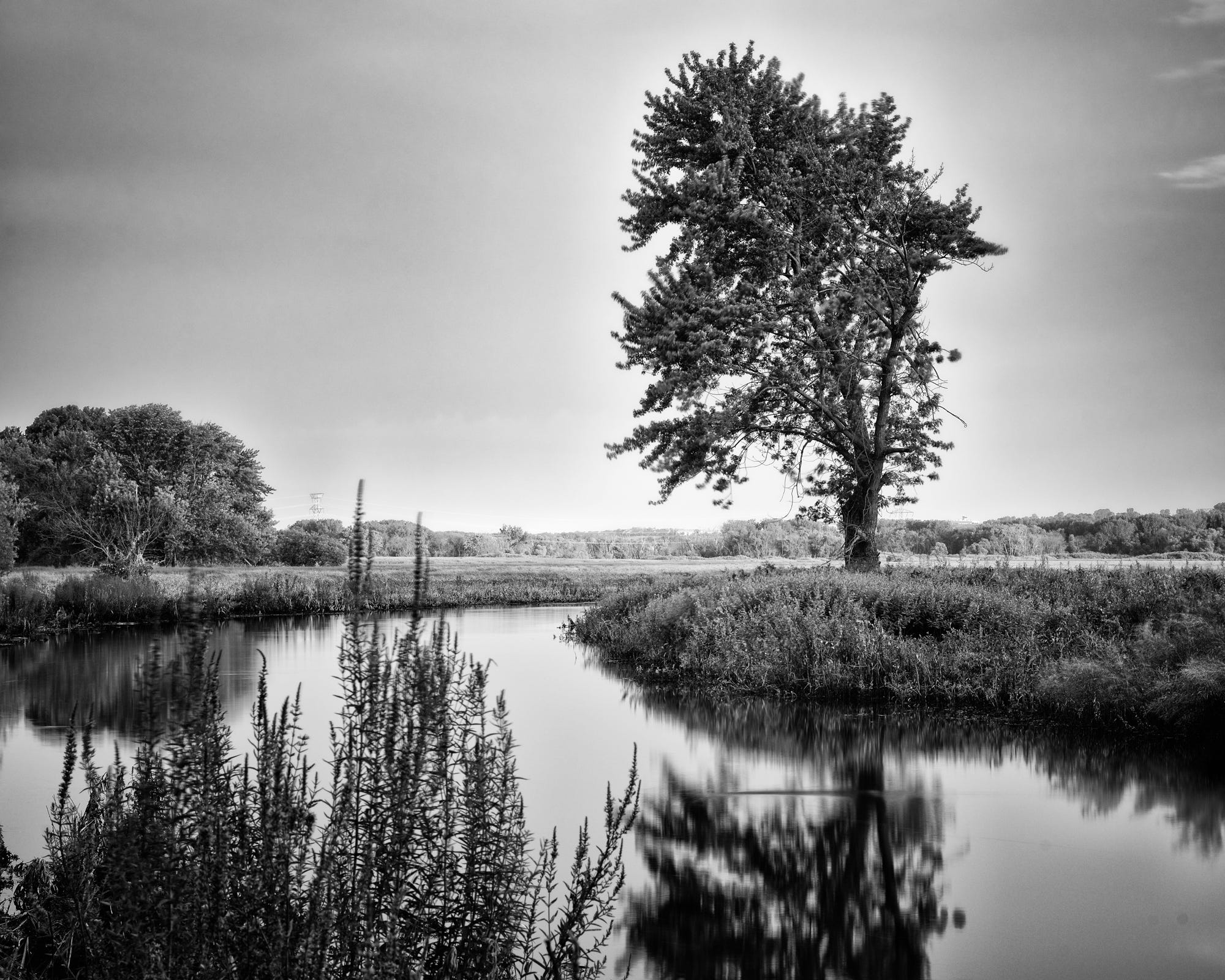
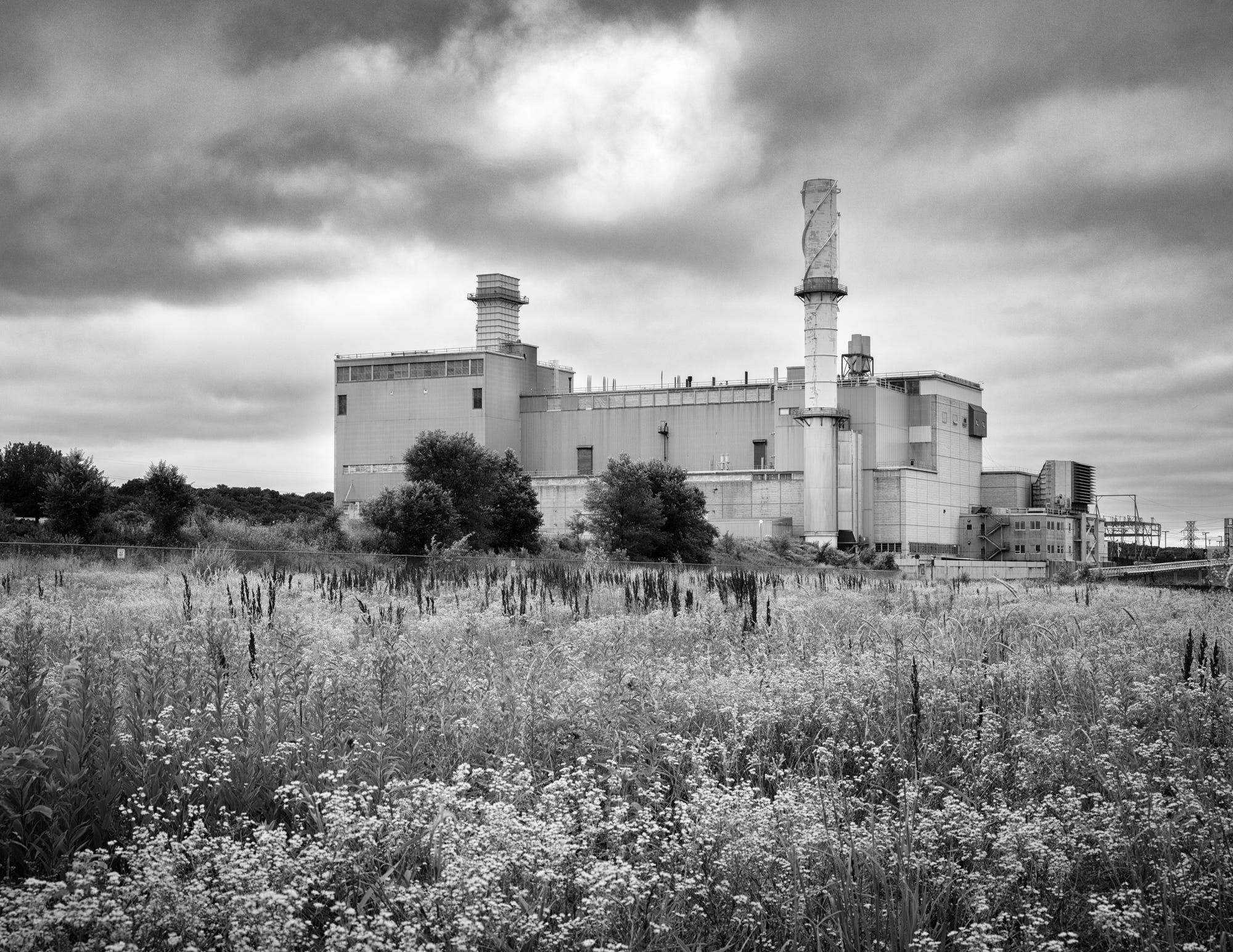
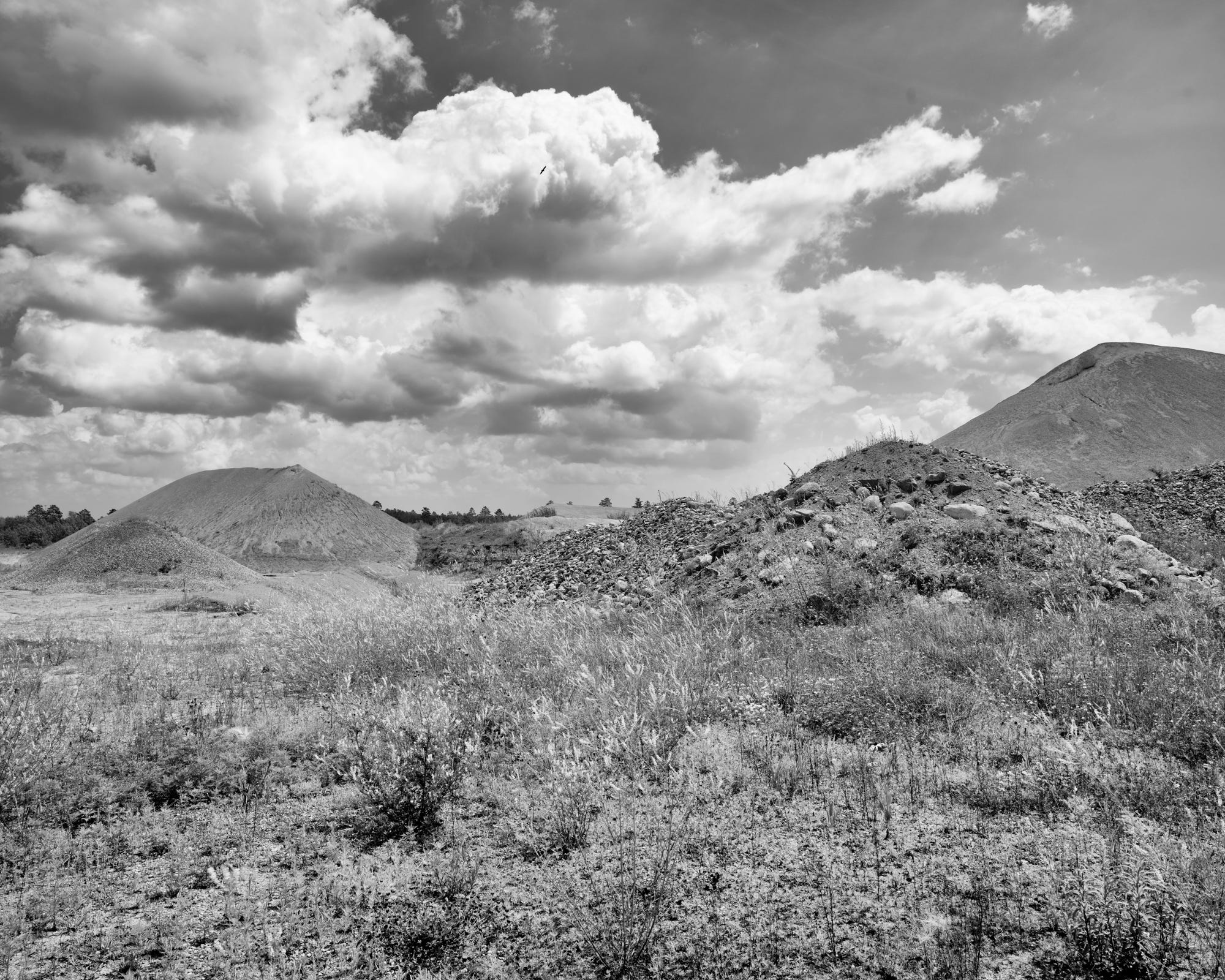
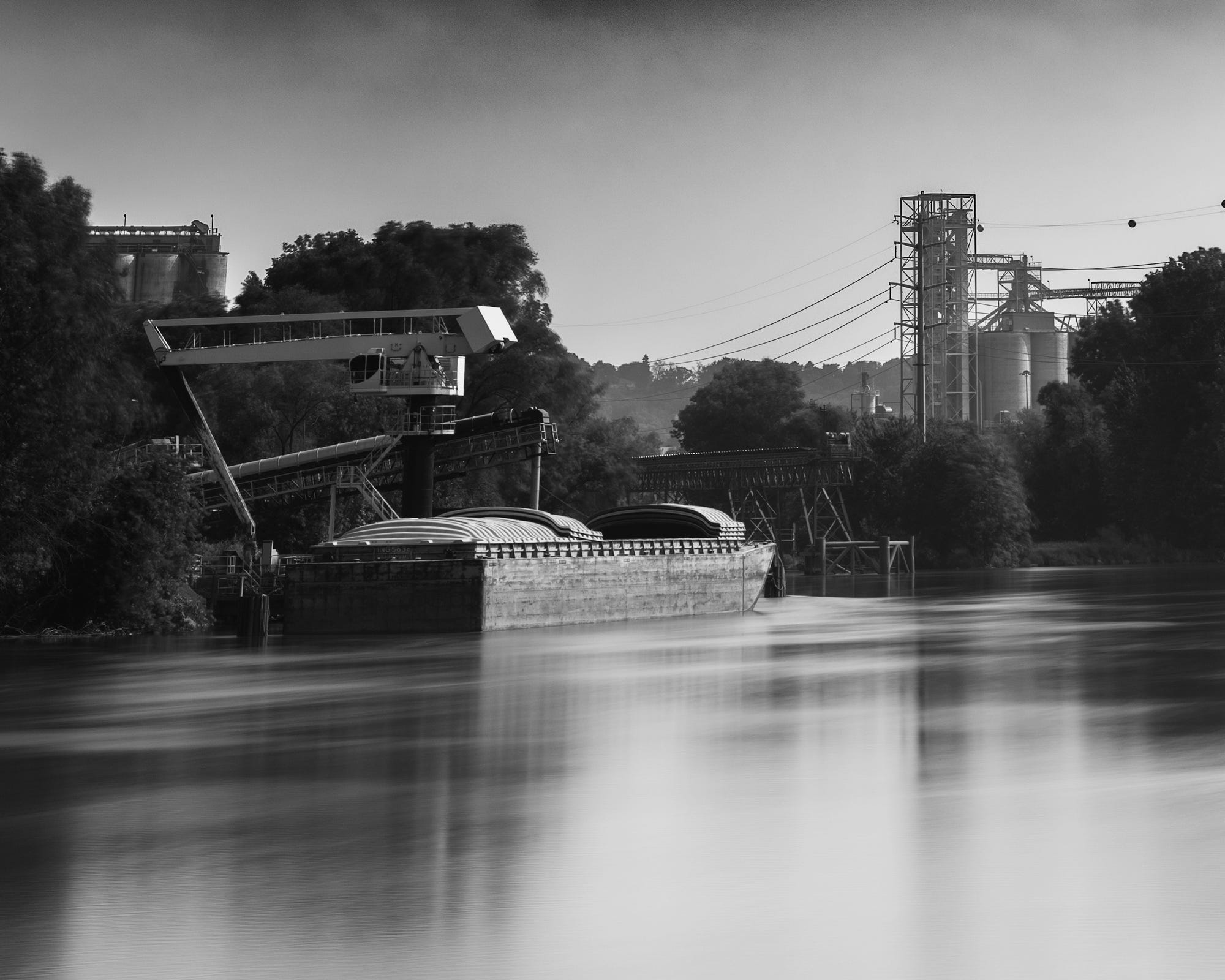
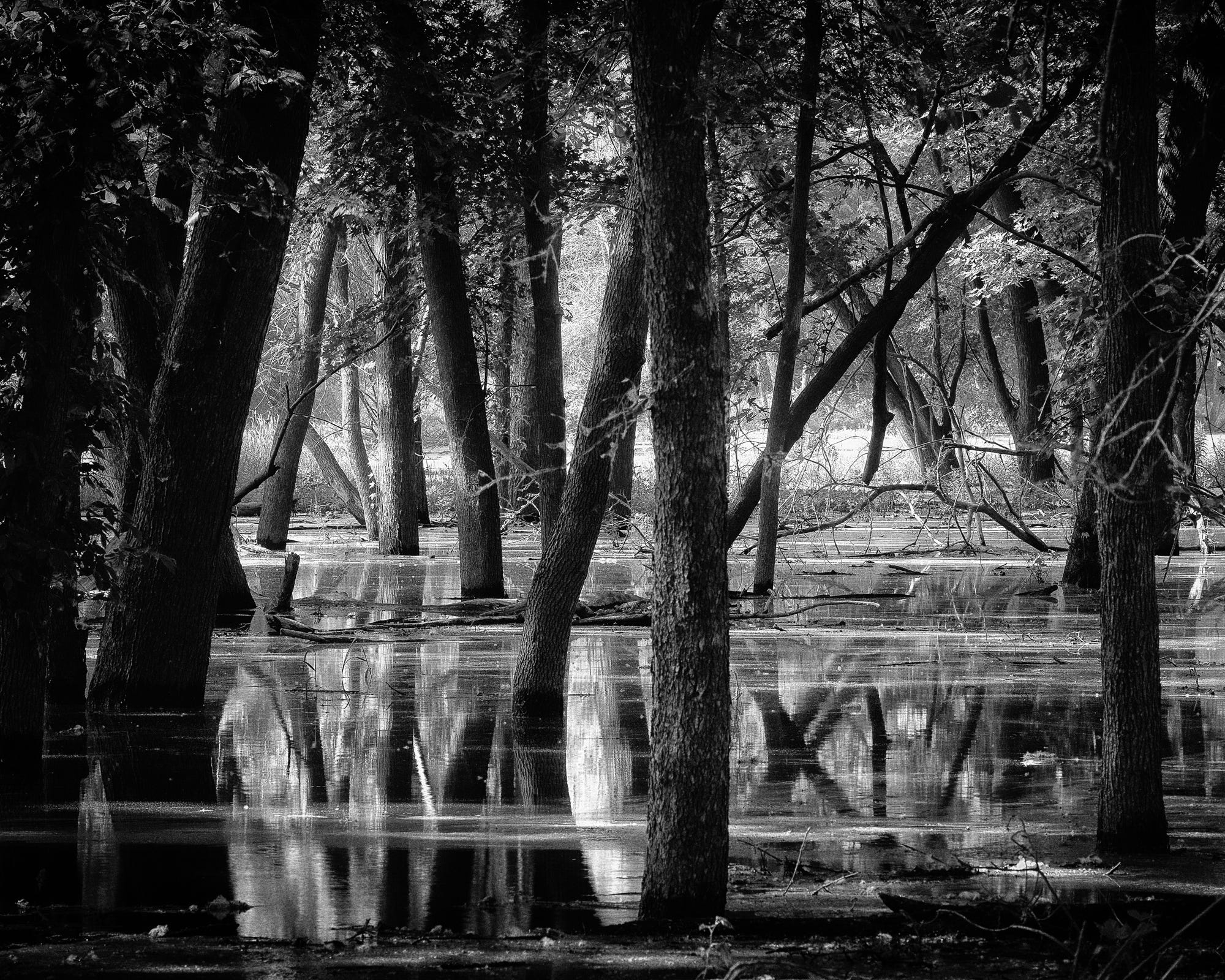
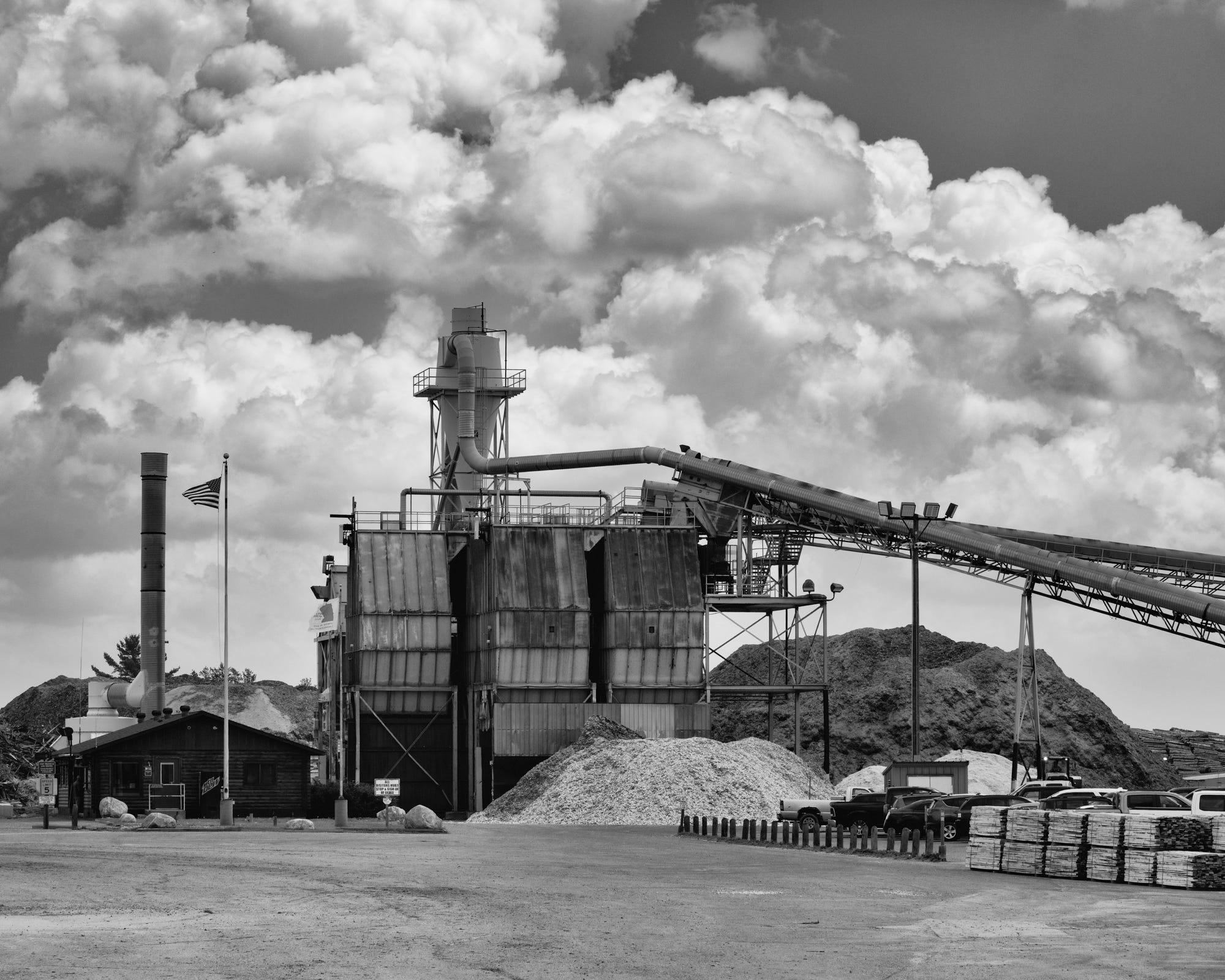
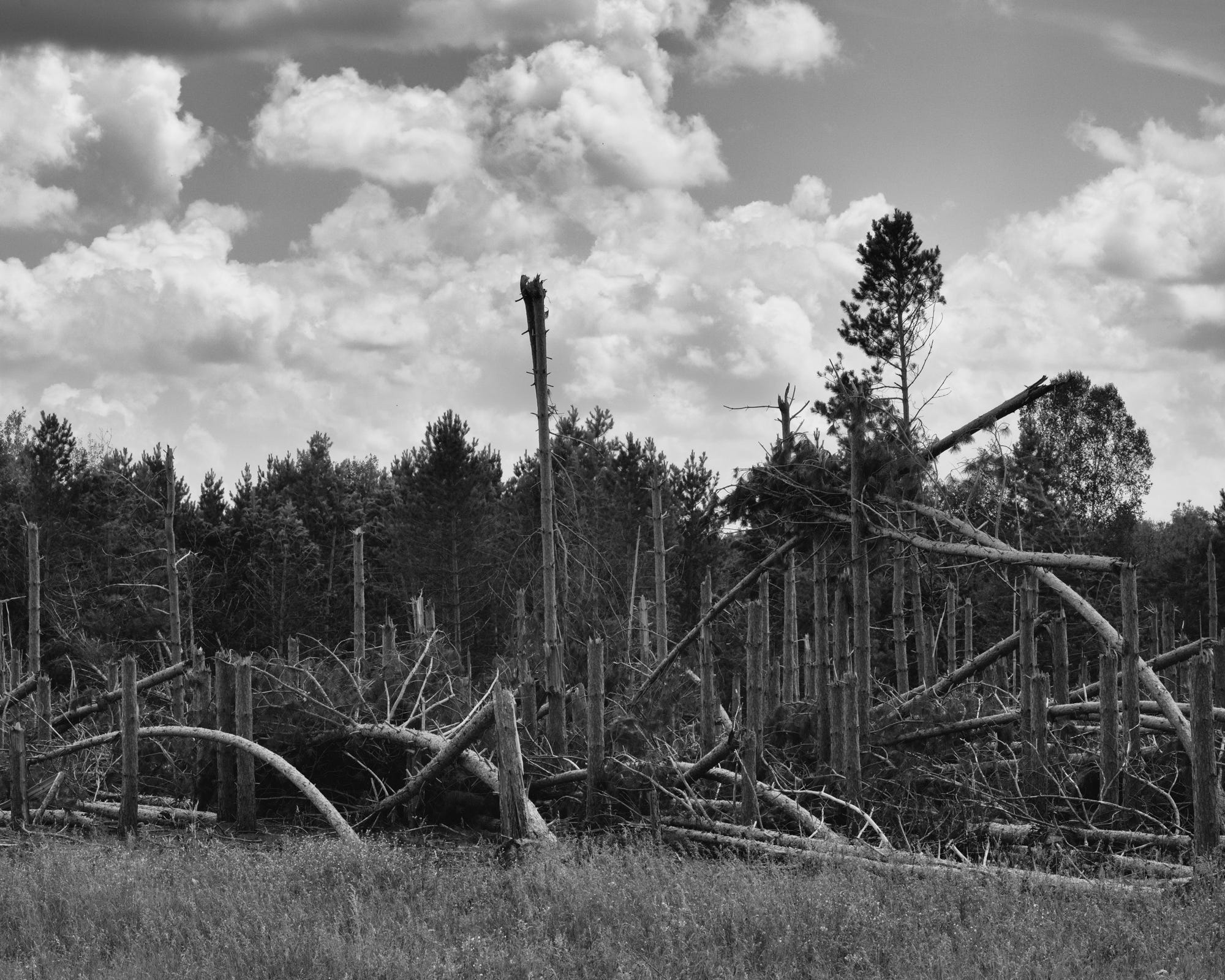
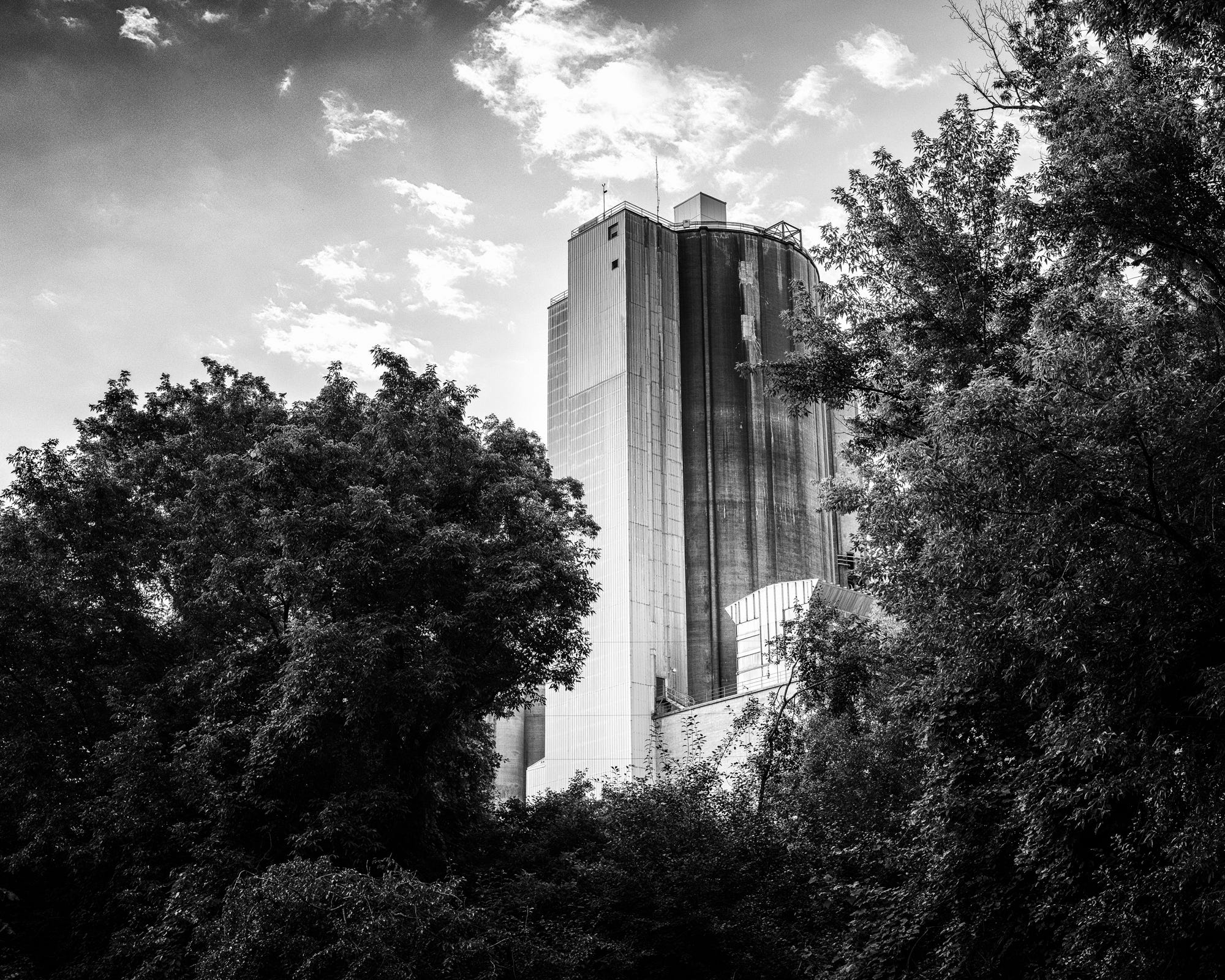
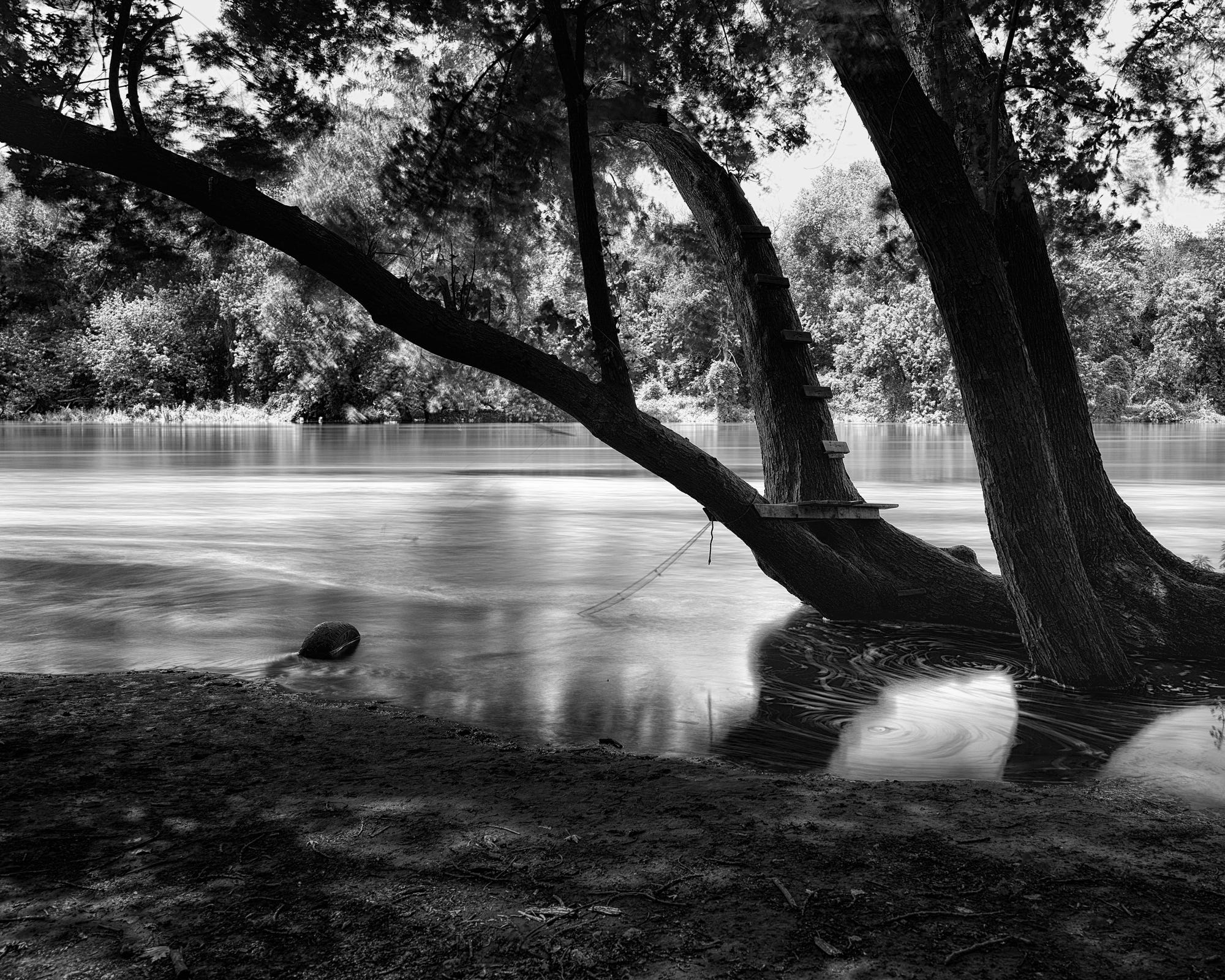
    We are harvesting the generational impact of what was planted by our elders. How we respond to the consequences of Progress will determine the future of the environment that sustains us. These photographs were taken in the summer of 2025 in Minnesota. Their subjects include rivers, forests, and urban landscapes; splendour and disarray. They are simultaneously about the geography of the Midwest, the role of industrialisation, and the crisis of our time: climate change.

    1. Pine Bend Refinery, Rosemount, Minnesota, 2025.

    2. Minnesota River Valley National Wildlife Refuge, Shakopee, Minnesota, 2025.

    3. Black Dog Power Station, Burnsville, Minnesota, 2025.

    4. Spoil tips, Midge Lake, Minnesota, 2025.

    5. Consolidated Grain and Barge Co. Savage, Minnesota, 2025.

    6. Minnesota Valley State Trail, Shakopee, Minnesota, 2025.

    7. Lumber Mill, Farden Township, Minnesota, 2025.

    8. Grant Valley, Bemidji, Minnesota, 2025.

    9. Rahr Malthouse, Shakopee, Minnesota, 2025.

    10. Minnesota River, Bloomington Ferry, Minnesota, 2025.

    These photographs were submitted as a project for my Master of Arts in Photography at the Academy of Art University in San Francisco.

    All photographs were made using a Nikon Z7ii, NIKKOR Z 24-120mm f/4 S Lens, and Kase Revolution CPL, ND 8, 64, and 1000 filters.

  • Reconnection

    Reconnection

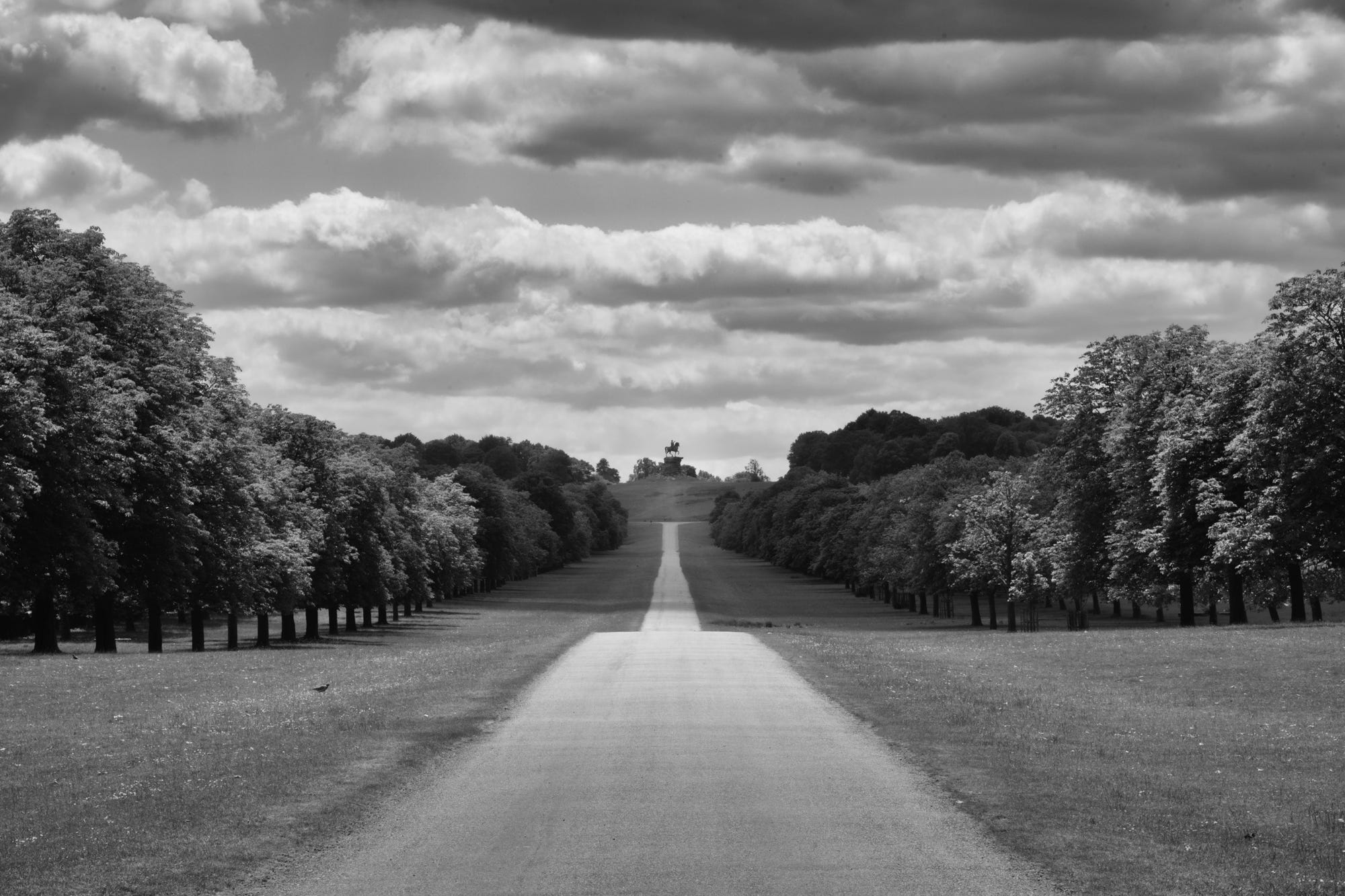
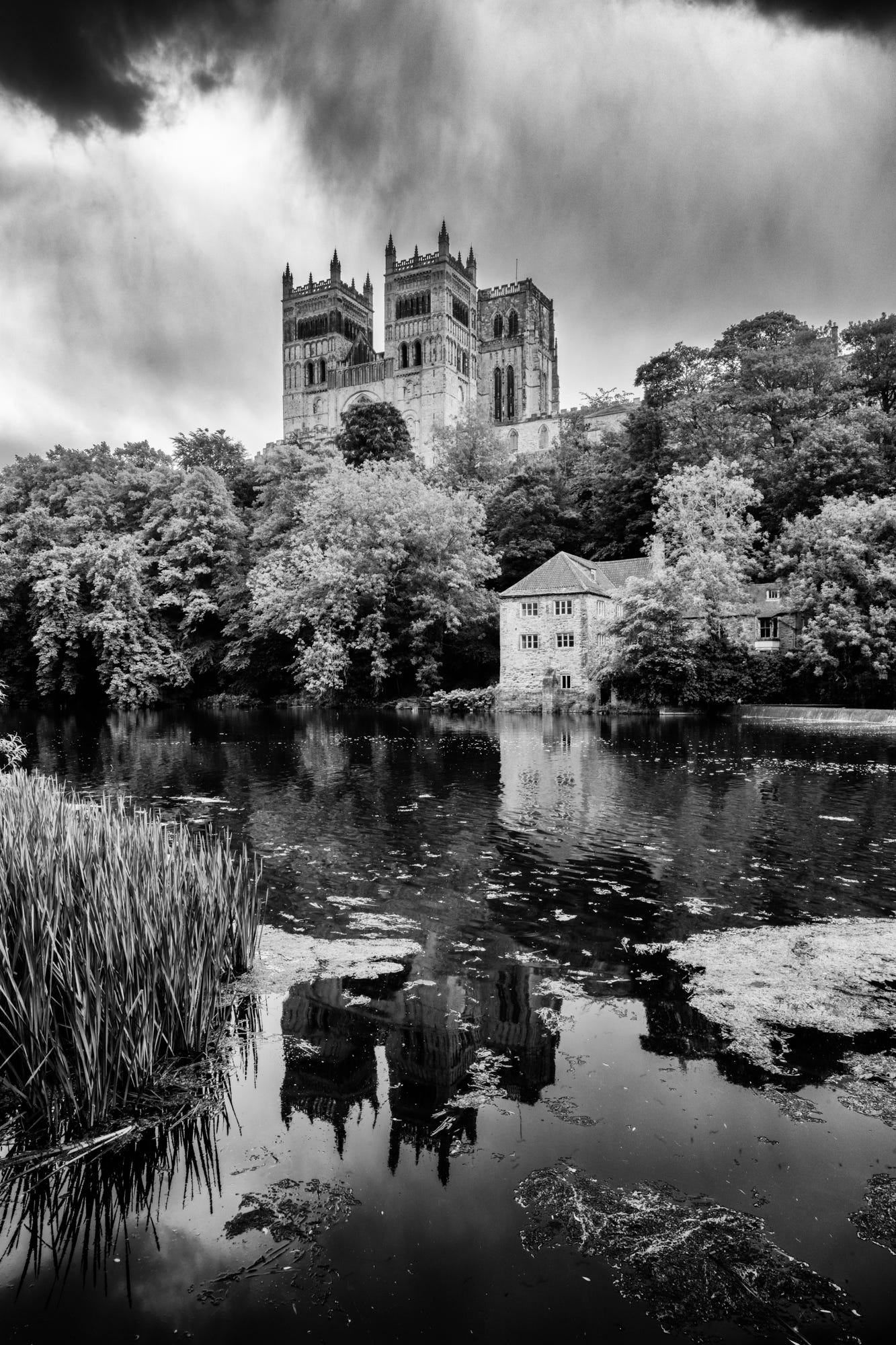
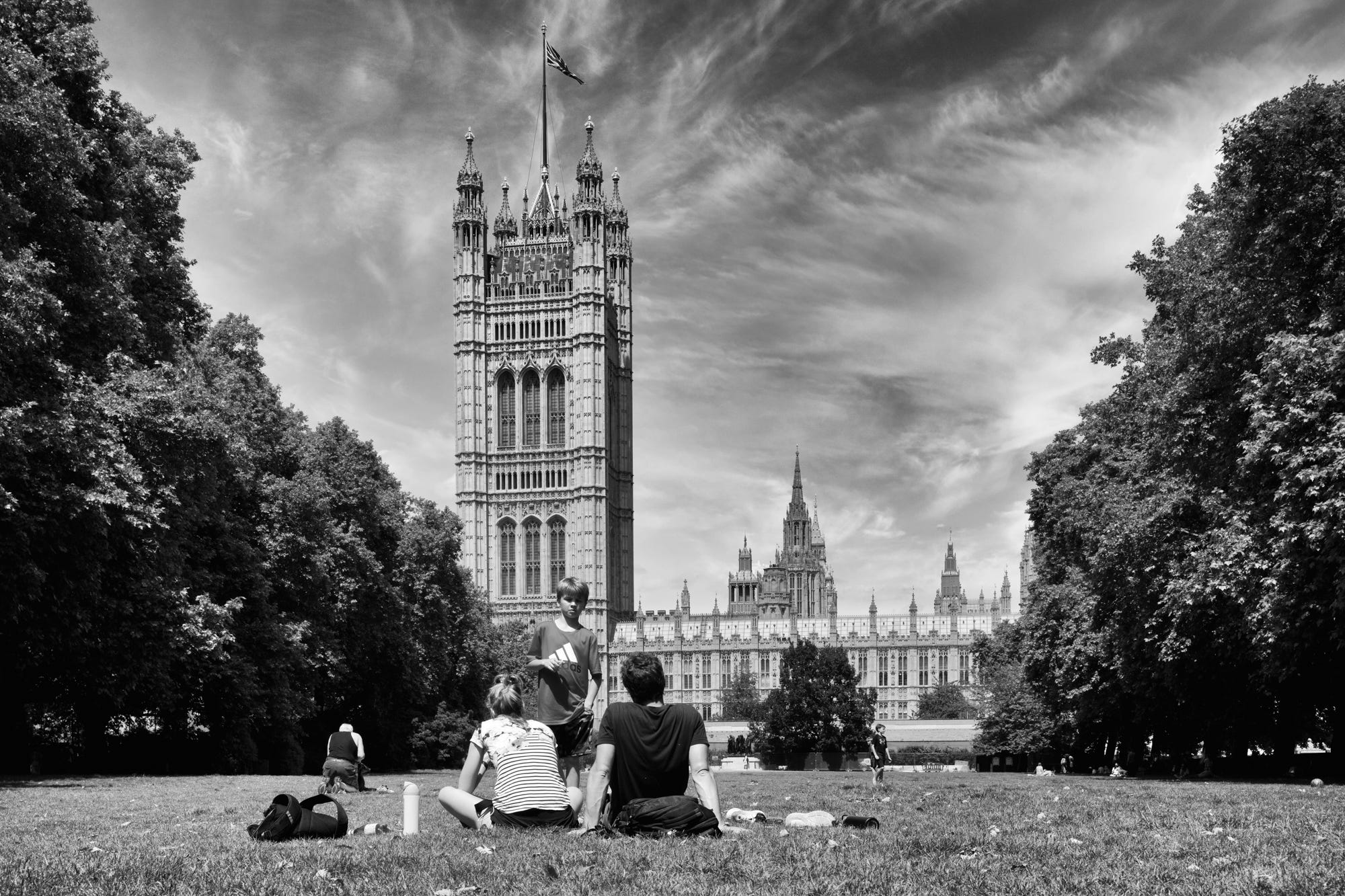
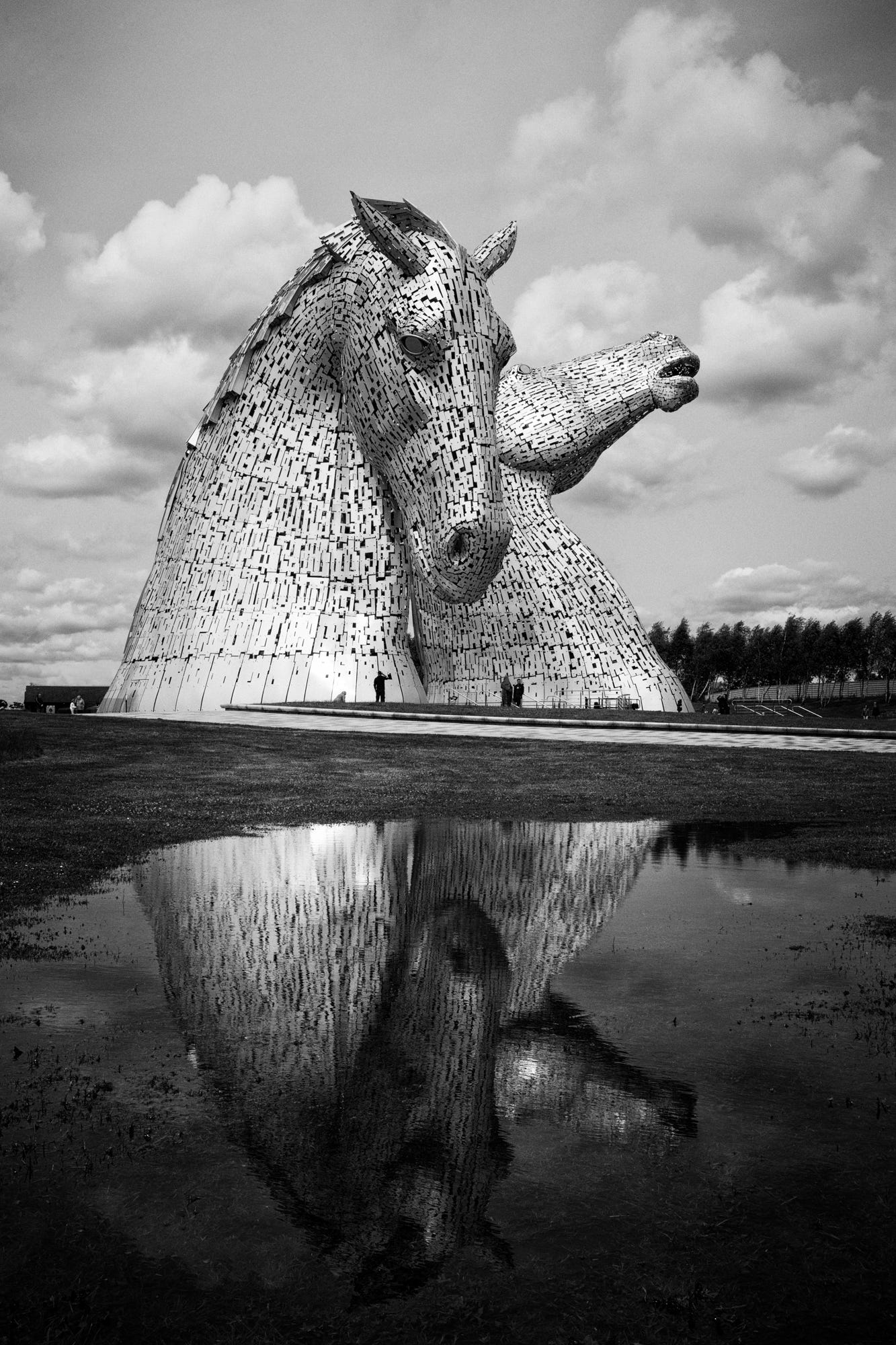
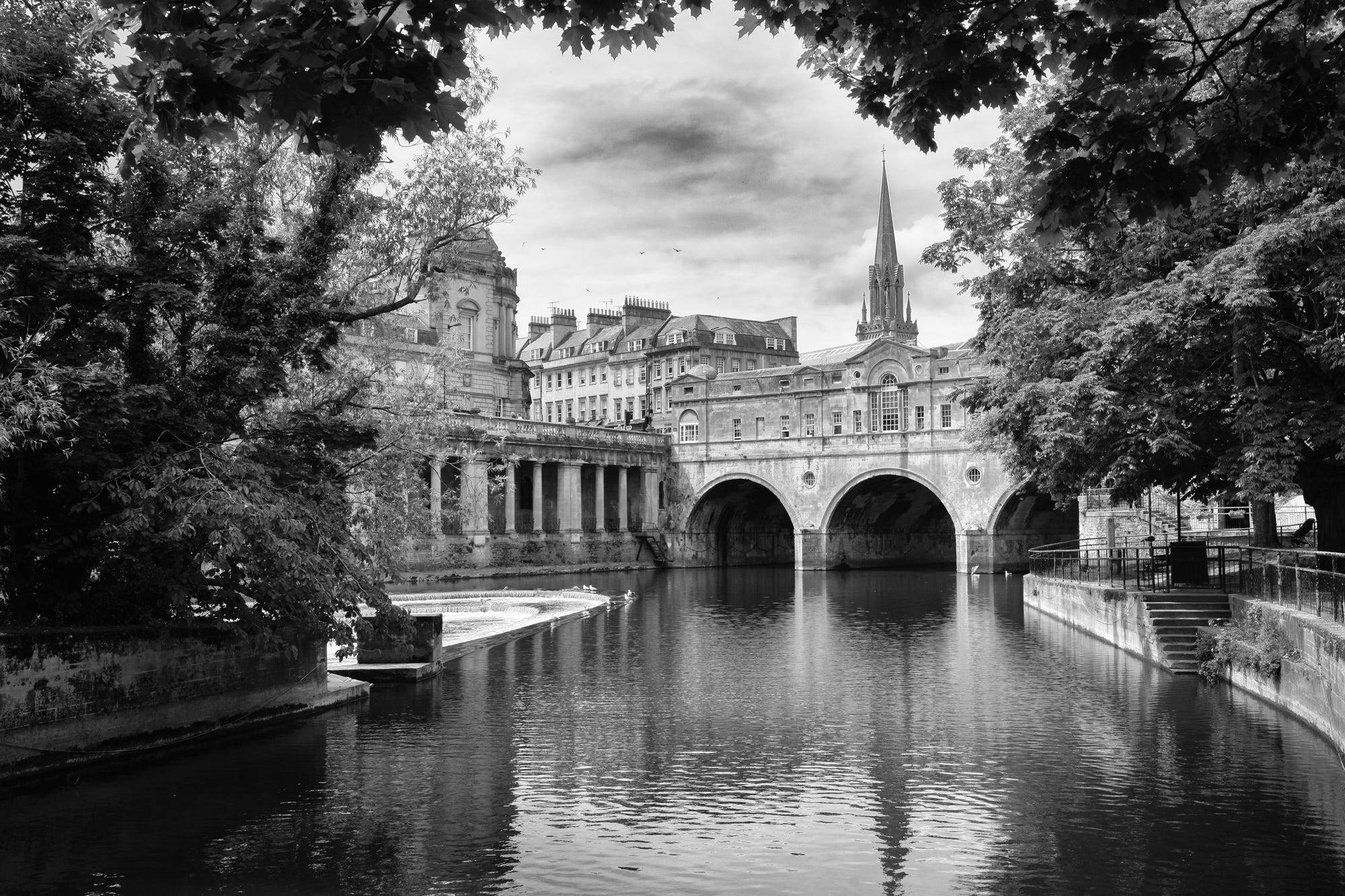
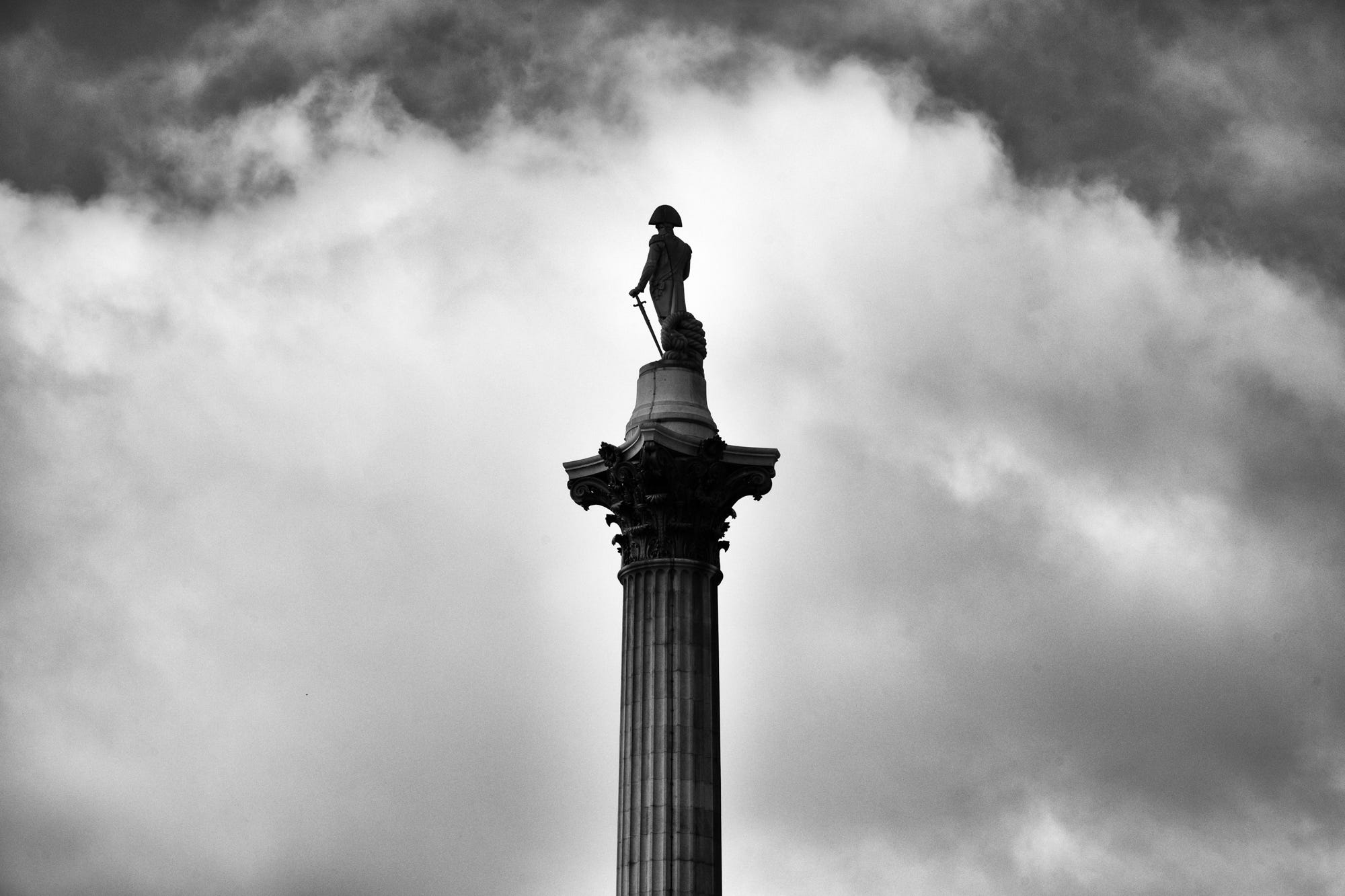
    Travelling across the UK, I was struck by the contrast between the enduring presence of monuments and the evolving needs of our global community. As symbols of the past, their relevance is now questioned as the challenges of today grow more urgent. This project explores the tension between permanence and impermanence, juxtaposing rigid monuments with the fluidity of human and ecological relationships.

    Through imagery of environmental and communal connections, I seek to highlight the essential threads that bind us to nature, to one another, and to the shared emotions of navigating an ever-changing world. More than just a reflection on place, this work is a testament to the connections and reconnections that shape our experiences, the lessons we carry home, and the deep interdependence that defines us all.

    Reflective and linguistically driven, this work embraces artistic interpretation through representational photography. The work was informed by the emotional journey of navigating change—personal, environmental, or societal. Through my lens, I capture not only the physical but also the unseen forces of memory, resilience, and quiet understanding.

    Ultimately, I am questioning what we choose to honour and preserve. As monuments fade, what remains essential? In seeking that answer, I find a profound reverence for the fragile yet powerful relationships that sustain us.

    This work was submitted as a personal project for a Study Abroad trip as a part of my MA in Photography at the Academy of Art University in San Francisco.

  • I passed out in the ER so you can try this

    I passed out in the ER so you can try this

    I spent Sunday afternoon in the emergency room at our local hospital. I should, at this point, receive a frequent flier discount. I was viciously assaulted by a kitchen knife while chopping up potatoes for a roast dinner. I like my knives to be sharp. Twenty stokes on my sharpener before preparing food is my habit. It comes with consequences. Sloppy technique results in deep wounds. I passed out after three stitches. The nurse had applied a topical lotion to my calloused finger, expecting it to soak in and numb the area, but it didn’t. When the third stitch went through the fingernail, I started to feel lightheaded. The next thing I knew was waking up from a deep slumber, wholly disorientated and feeling nauseous. Jacquelyn held me up, and she and the doctor talked to me. After a moment passed, I demanded lidocaine, and the final three stitches were painless.

    The recipe was excellent, and I finished cooking the next day—a mushroom nut roast with roasted potatoes and steamed broccoli. I severely modified the recipe by happy accident and made it super easy. I started with this recipe: Vegan Nut Roast – Loving It Vegan, but I forgot the carrots. I chopped everything into the same bowl rather than sauteing the veggies separately. Chop, stir, push into the pan, then bake. Super simple, super delicious. I used equal proportions of almonds, cashews and walnuts. Try it, you won’t be disappointed. I served the meal with homemade vegan gravy—a 70-minute meal. I am hungry just thinking about it.

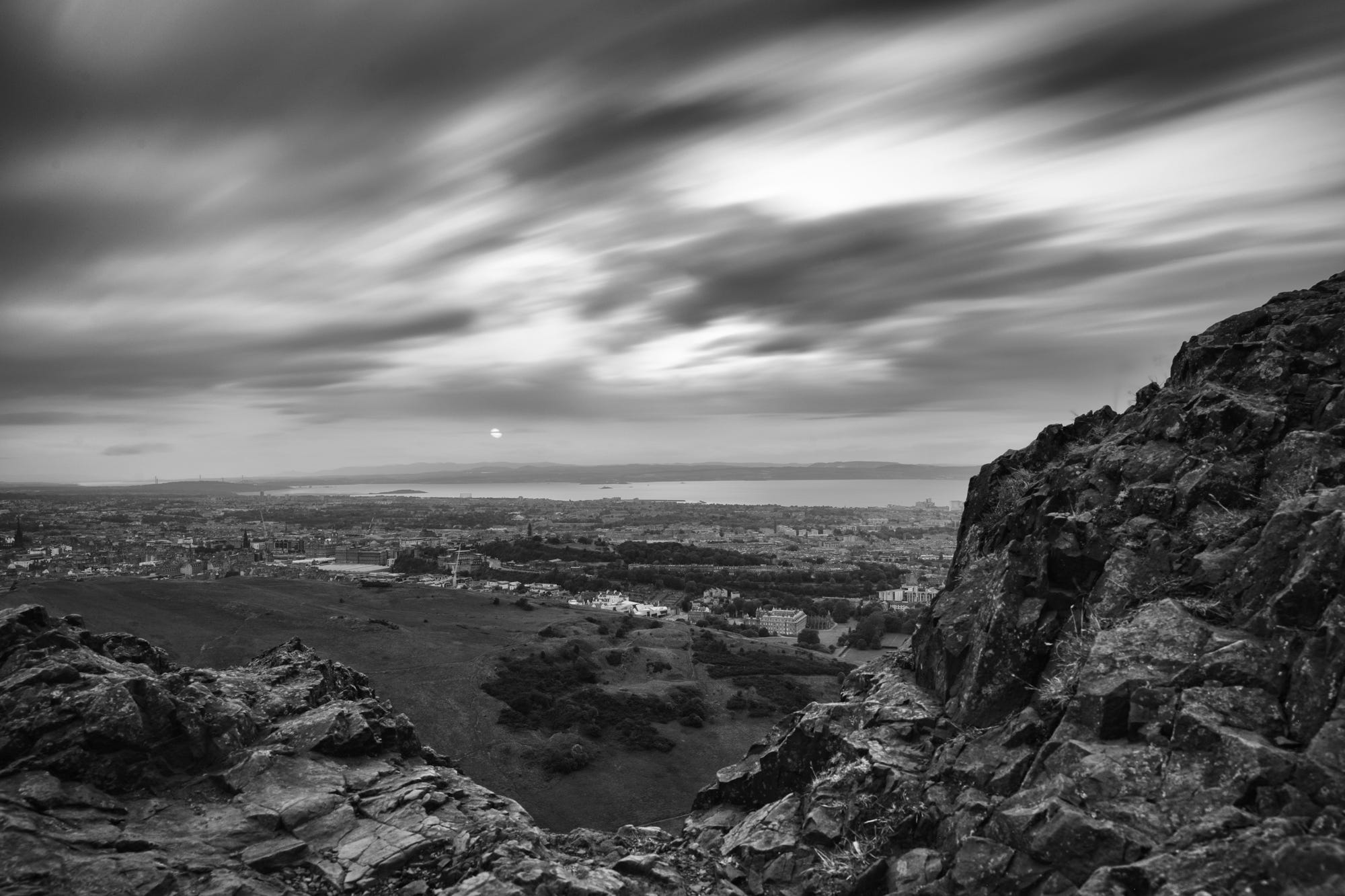
    It snowed on Sunday – this gorgeous scene was from my first day of testing.

    Speaking of happy experiments, I spent the past two days testing black and white colour filters. If you are not immersed in black and white photography, it sounds weird that you would use colour filters, but they are fun to play with. I have two Cokin filters, a red and a yellow. I was not convinced that they were accurately rated, so I tested them by exposing the same scene and using different settings to test the impact of each filter on the light transmission. It will also provide a fun way to examine how it alters the relationships between colours and tonal values. So, without further ado, here are the results:

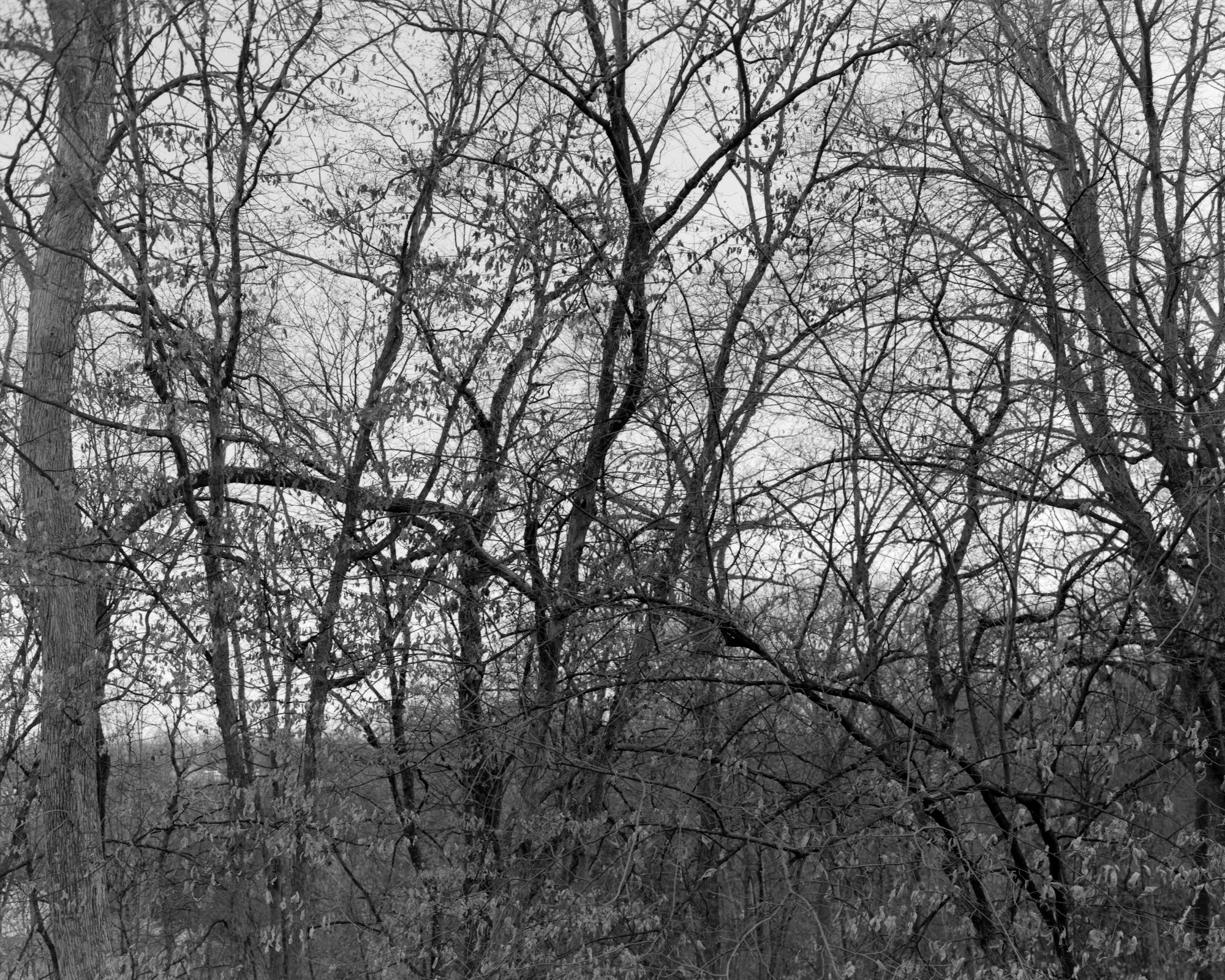
    These are the three negatives with the exposure curve inverted in Lightroom and no other processing. They were scanned at the same f-stop on my Nikon Z7ii, which shows how close the exposure is. It is not exact, but they are fairly close. The histogram in Lightroom was an excellent reference for this.

    No Filter.
    Red Filter, +3 stops.
    Yellow Filter, +1 stop.

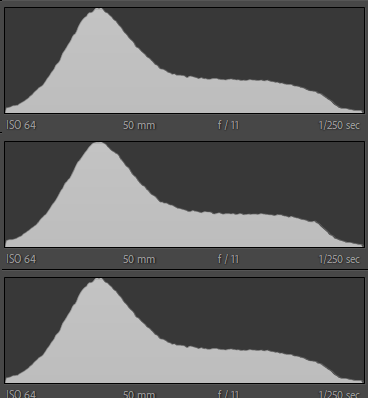
    The histograms for each of these show the changes in exposure and dynamic range:

    The main changes are a raising of the black point and a compression of the tonal dynamic range.

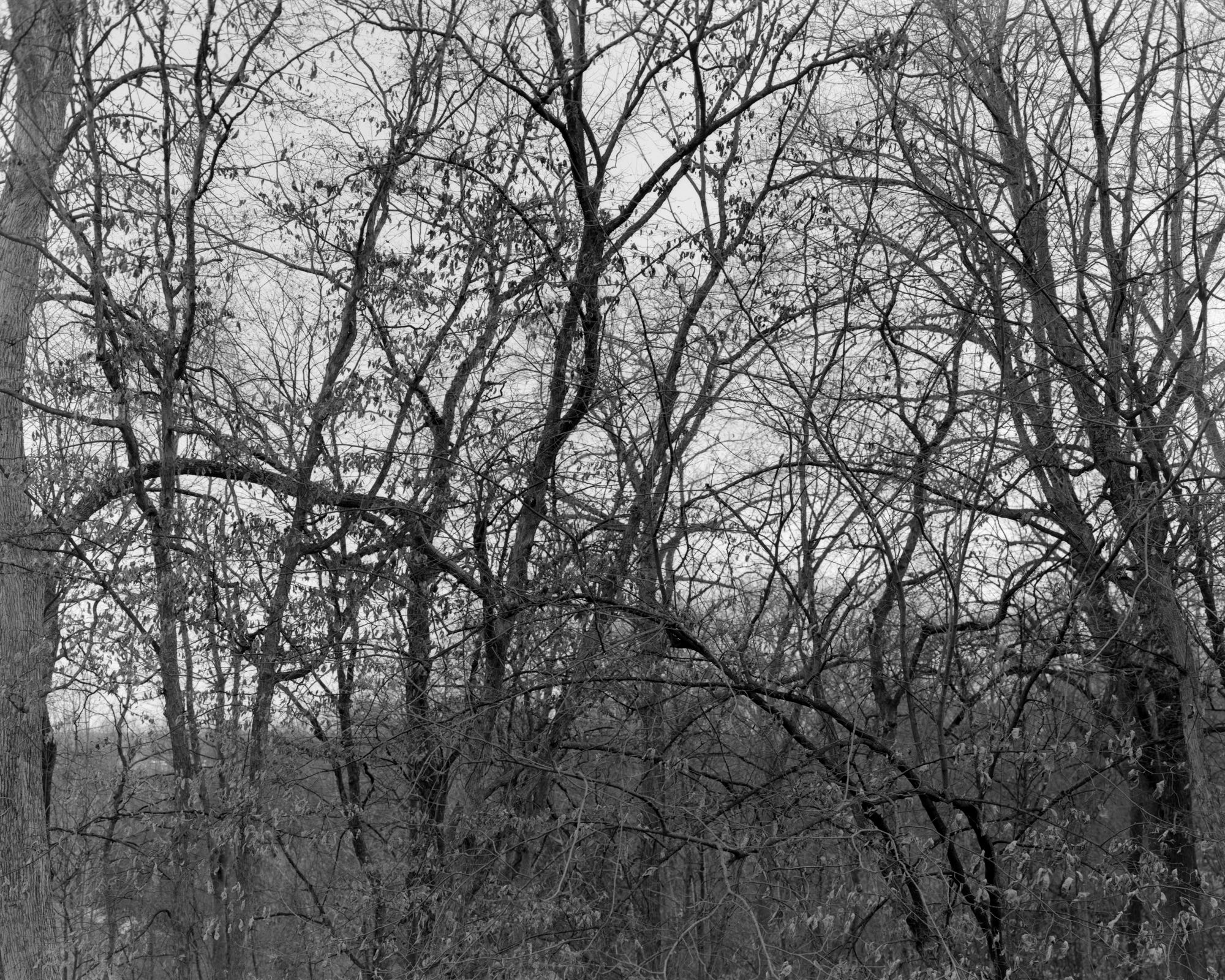
    Next, I ran each through Negative Lab Pro. This normalised the dynamic range, making the comparison less about exposure and more about the impact on tonal values.

    No filter.
    Red filter, +3 stops.
    Yellow filter, +1 stop.

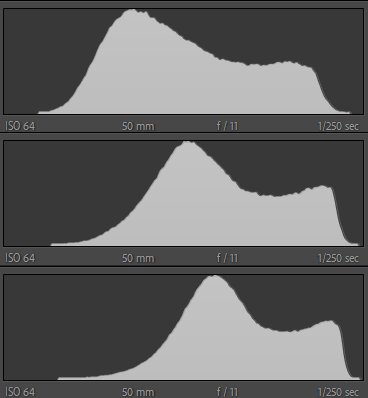
    Here are the histograms for the final three images:

    The yellow and red filters created a greater peak in the tones – which is the contrasty impact for which these filters are renowned.

    So, in summary, exactly as advertised, the red filter requires three stops of “extra” light to match the exposure of the unfiltered photograph, and the Yellow filter needs one stop of light. In addition, the red and yellow filters do indeed peak the contrast. Of course, there are the subtle variations in colour hues and tonality that are visible in the final images. I think I will be using these filters a lot going forward.
  • Three mistakes and one keeper.

    Three mistakes and one keeper.

    I could have titled this piece How many mistakes can one make in one afternoon? My learning opportunities started with me loading film into a brand-new holder in the dark and failing. The film kept jamming. I should have stopped and removed the holder from the dark tent and fixed the jam. Instead, I pushed harder and hoped. There will be more on the consequences later.
    I typed the name of the area I wanted to visit on Google Maps, but I didn’t check to see where it was directing me. It wasn’t where I had planned to go.

    The area I arrived at was very swampy. It was Rapid Lakes Unit, named after the lake near Carver Rapids on the Minnesota River. Spring-melted snow flooded the path and the land around the unit. My wellies and I headed down the path. After half a mile, I was missing a boot. The swamp monster mud had eaten it. I hopped back and retrieved it. I took the opportunity to photograph the trees reflected in the pond, also known as the path. It wasn’t a good photograph.

    I carried on along the path, deeper into the swamp. I startled a Trumpeter Swan, which in turn startled me. These are giant birds with a six-foot wingspan and the volume of a canon going off. I stopped to make a photograph. Unbeknownst to me, the film that I had jammed into the holder was blocking the dark slide from closing. So half the negative was wildly overexposed, and the other half was not very good. One of the nice things about film photography is you don’t know you are making crappy photographs at the time. So filled with optimism and a sense of joy from the gorgeous weather, I continued deeper (with two boots)

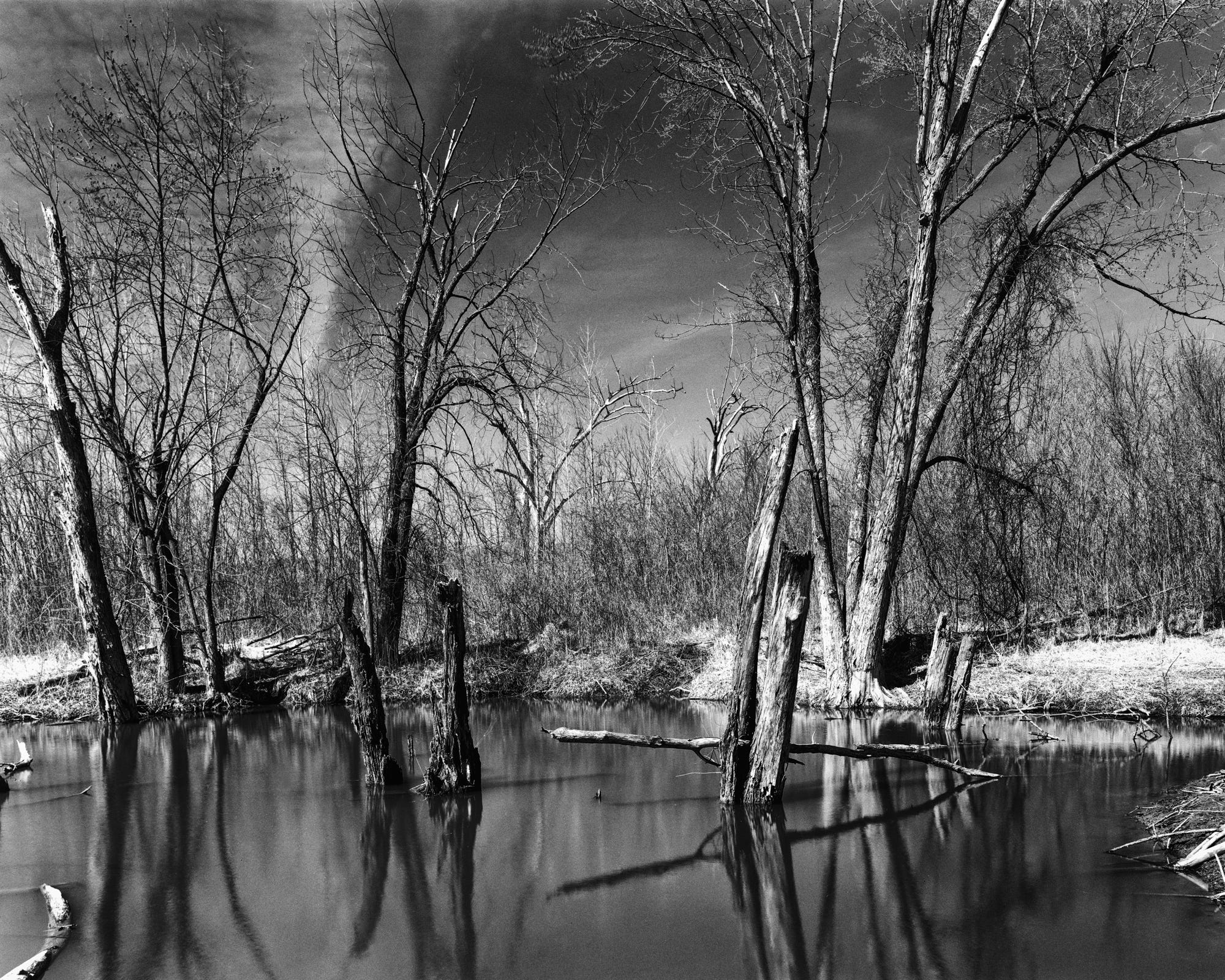
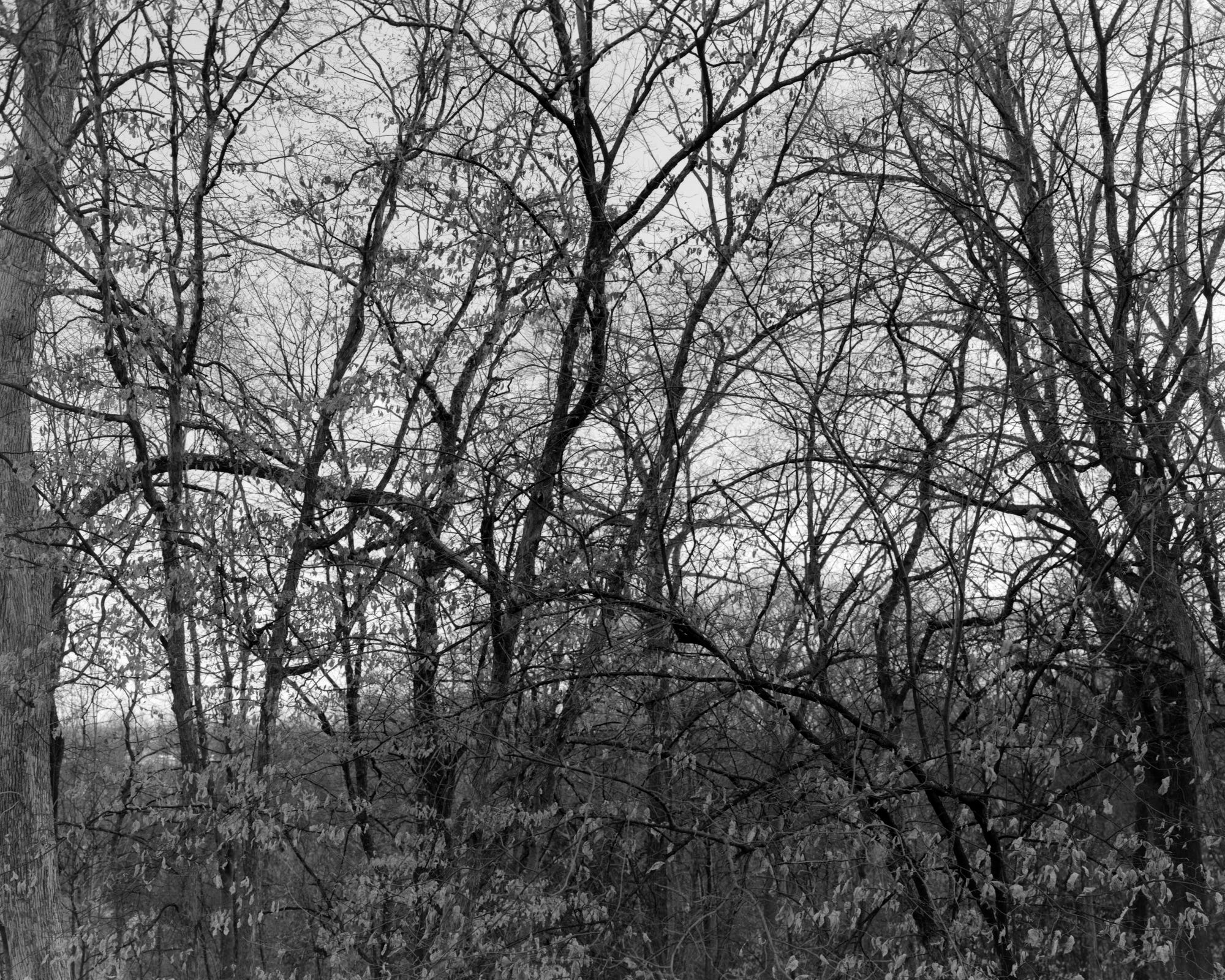
    I ran out of the path at a lovely area with a small area of open water dotted with the relics of dead trees killed by the frequent floods. I made two exposures. One was marred by me mistakenly putting my filter holder on poorly, allowing light to leak in on one side. The resulting negative looked like it had a massive lens flare across it. Thankfully, I framed a second composition, and it turned out to be the keeper of the day.

    Carver Creek Trail, Rapids Lake Unit, MN.

    This was a great photography trip. The weather was refreshing and sunny, the environment springing into life, the experience wonderful, and one photograph was all I needed to have a great time.

  • Another large format photography mistake.

    Another large format photography mistake.

    I thought I was done learning for the week, but that was not to be the case. Jacquelyn and I went for a walk over a weekend to make some photographs of Jabs Farm.

    Jabs Farm is a crumbling relic of a bygone farming era in the Minnesota River valley. Modern industrial and residential housing development combined with climate change has irrevocably changed the valley’s topology. Each spring, the valley floods as the west Minnesota snow melts, channelling the water eastwards towards the Mississippi River. The resulting annual floods impact not just the trees and soil but also the viability of farming along the river banks.

    The land that was once Jabs Farm is now managed by the National Forestry Service and is part of the patchwork of land that makes up the Minnesota River Valley Wildlife Preserve. Criss-crossed by hiking trails, the preserve offers a wonderful environment for nature or landscape photographers.

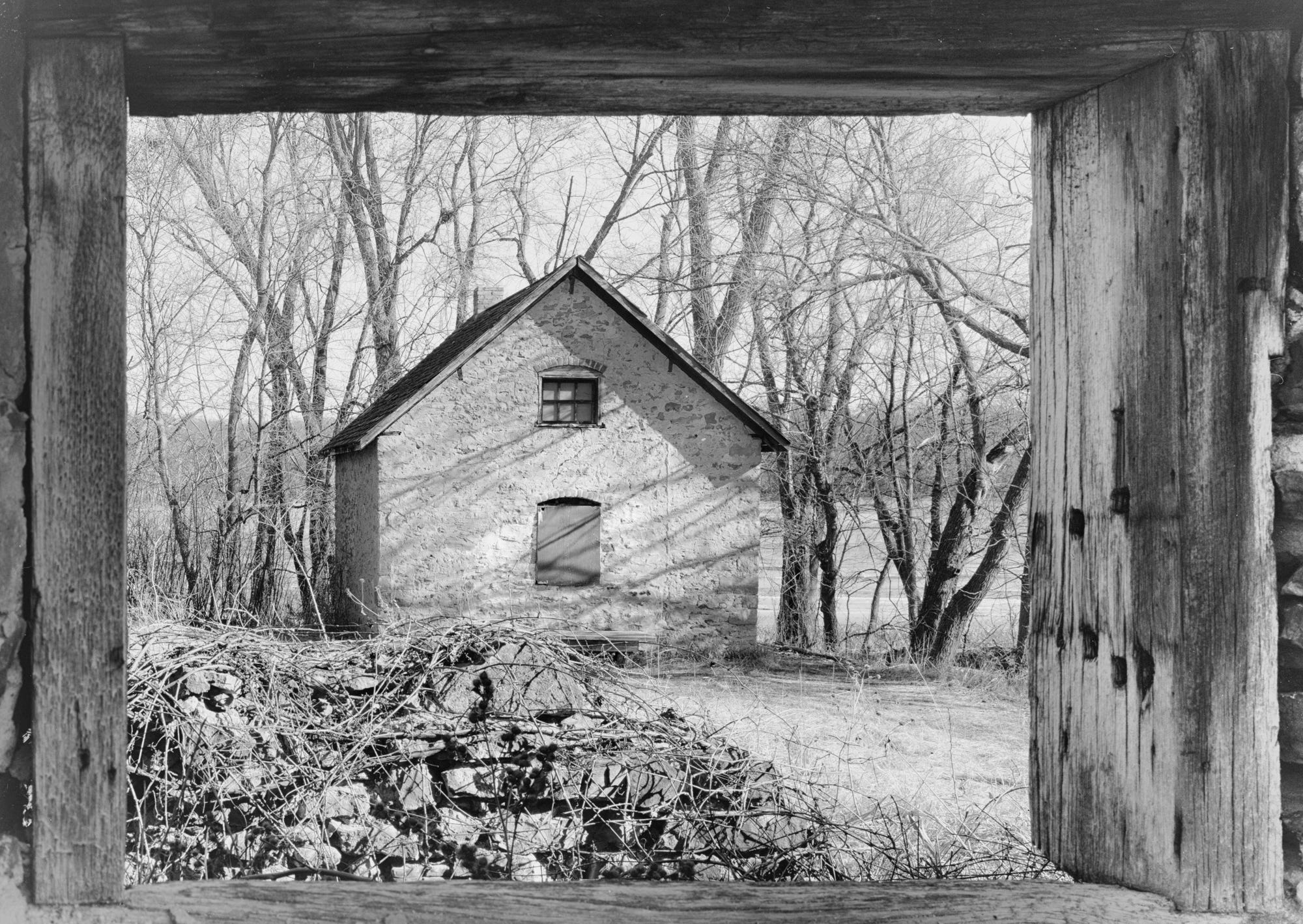
    I was using this visit to make some photographs for a class project for Travel Photography, an elective class for my MA program at school. The farm building ruins provide a unique opportunity to capture the essence of the past utility of the area. Three buildings remain on the farm. One, missing its roof, still has the wooden frame of an old window, and through it, I composed the smallest of the three buildings. I was pleased with how this photograph turned out. I used f/45 to allow a considerable depth of focus, hoping to capture the window frame and the building in focus. I was surprised it worked. The frame within a frame is always a pleasing composition.

    Jabs Farm, frame within a frame.

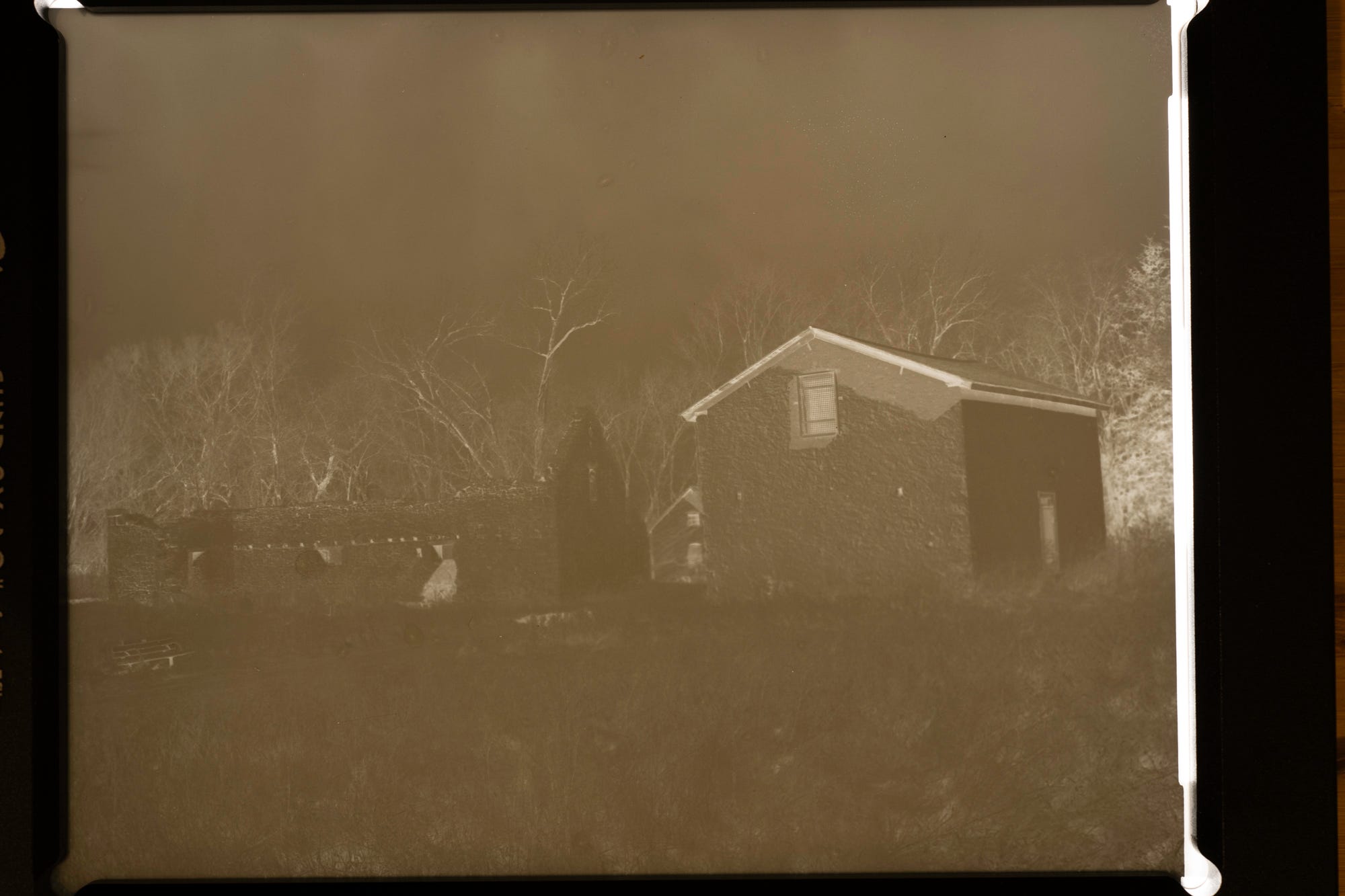
    In my second composition, I positioned the three buildings with the lovely soft grass in front and the trees and sky behind. The sky was bright and plain. I added a graduated ND filter to the sky to reduce the range of tones and used a red filter to darken the blue. Having popped the film holder into the back of the camera, I slid out the dark slide, only to immediately realize my mistake and slide it back again a few seconds later. I had forgotten to close the shutter first. The sheet of film was ruined.

    The large format lenses that I use have two shutter levers. One fires the closed shutter open, then closes it again using a clock mechanism to time the opening. The other closes or opens the shutter mechanically. You keep the shutter open while composing and focusing on the scene. The process is then to close the shutter and test fire the shutter mechanism – remember, these lenses and shutters are over fifty years old, and so, like me, they are getting a little long in the tooth and prone to errors.

    This is the ruined negative, with a very bright light behind it. I was surprised by how much detail there was, even though it was very overexposed.

    Having ruined the film by unintentionally [over] exposing it, I packed up, and we headed home. Not only was it my mistake not to close the shutter, but my second mistake of the day was to bring two sheets of film. There were no second chances that day.

    Rule #3: Always bring extra sheets of film.

    You can read about my first mistake and subsequent rule here: Large format photography mistake – by Christopher Crowhurst

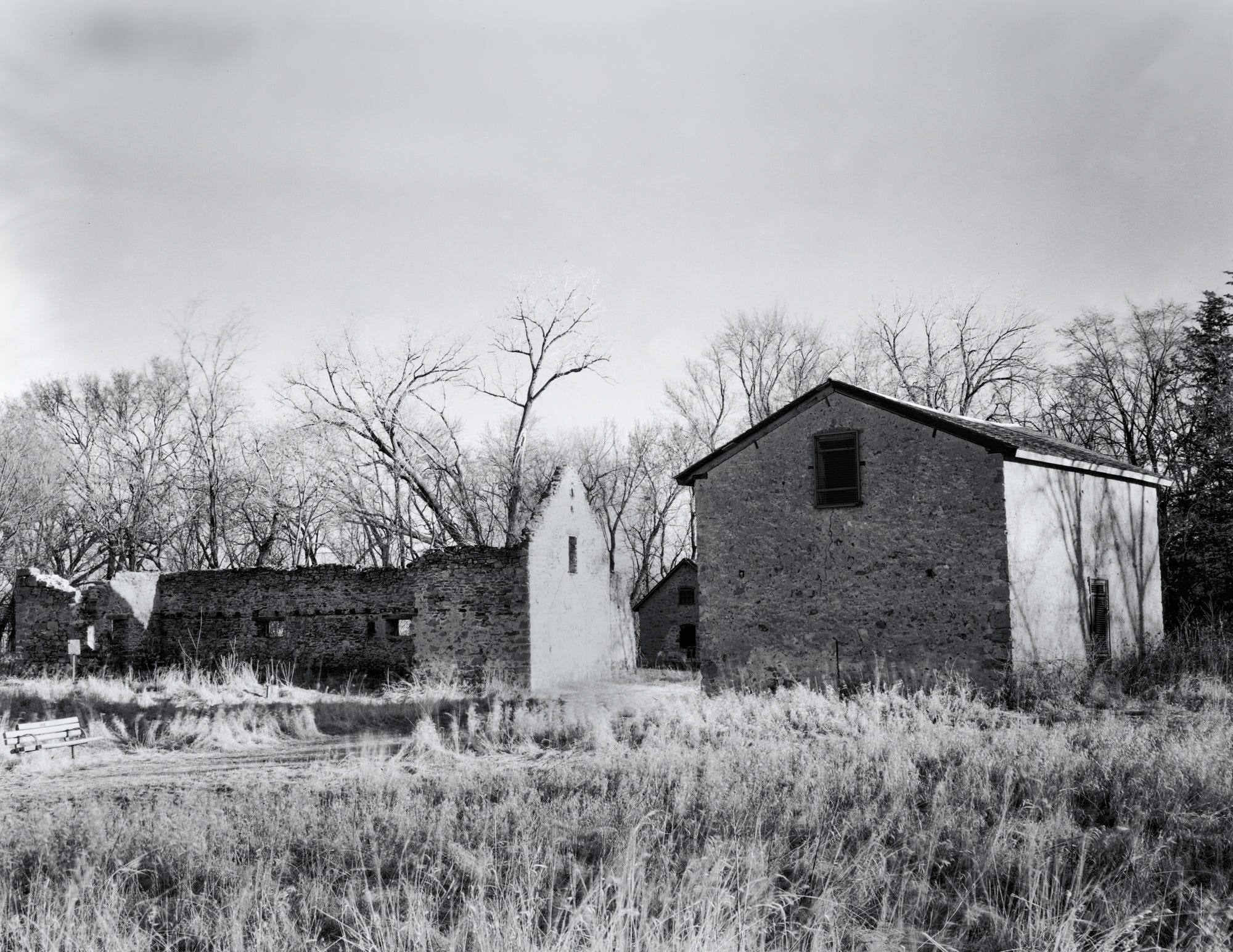
    I returned the next day with spare film and made this image of the farm.