Category: Uncategorized

  • Large format photography mistake

    Large format photography mistake

    I am now five days and ten negatives into the process of learning to use a large format film (LFF) camera. Previously, when I obtained a new camera, I would stand on the deck behind our house and make some photographs of the ash trees. I have many such images, at different times of day, different qualities of light, different seasons of leaves. They can be beautiful but hardly portfolio-worthy or unique.

    Exposing large format negatives has raised my awareness of the value or cost of each exposure. The initial cost is monetary, the price of large pieces of film, and the cost of the chemicals used to develop them. Each is working out at about three dollars, which is not insignificant but less than a Starbucks coffee. The real cost, though, is the time. Each photograph made requires the film to be loaded into the holder in darkness, the camera to be assembled on site, the establishing of the composition, the focusing of the lens, the application of filters, the calculation of the exposure, the insertion of the film holder, the removal of the dark slide, the actual exposing of the film, the replacement of the dark slide, the removal of the film holder, the disassembly of the camera. And then, once home, the removal of the film from the holder in darkness, placing the film in the tank, the mixing of the chemicals, getting the chemicals to temperature, adding and agitating the chemicals in the film tank, the washing and drying of the negative, the scanning, the cleaning and editing, and then you get to see what you have created.

    There are many steps, a lot of time, and many opportunities to learn as you make mistakes.
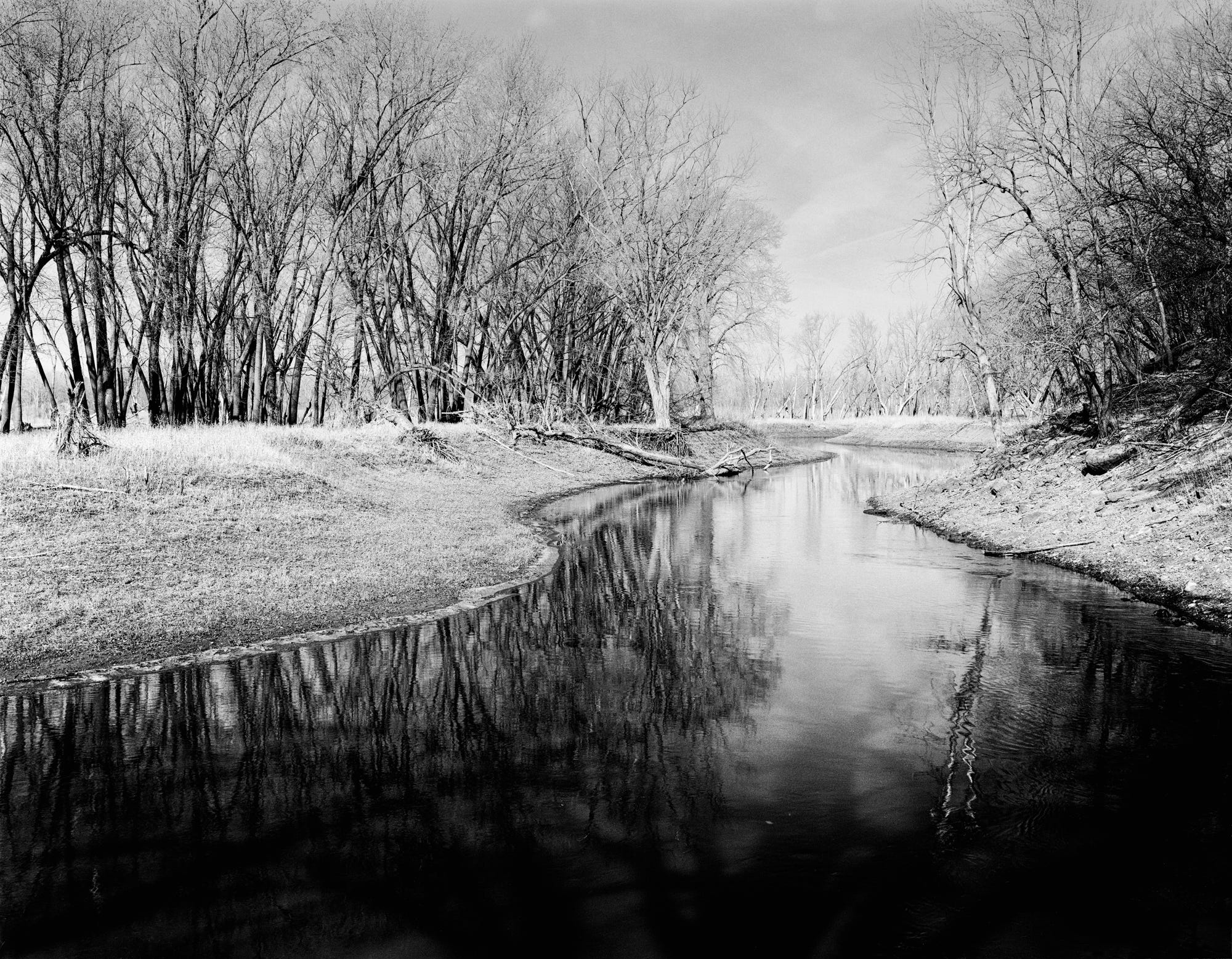
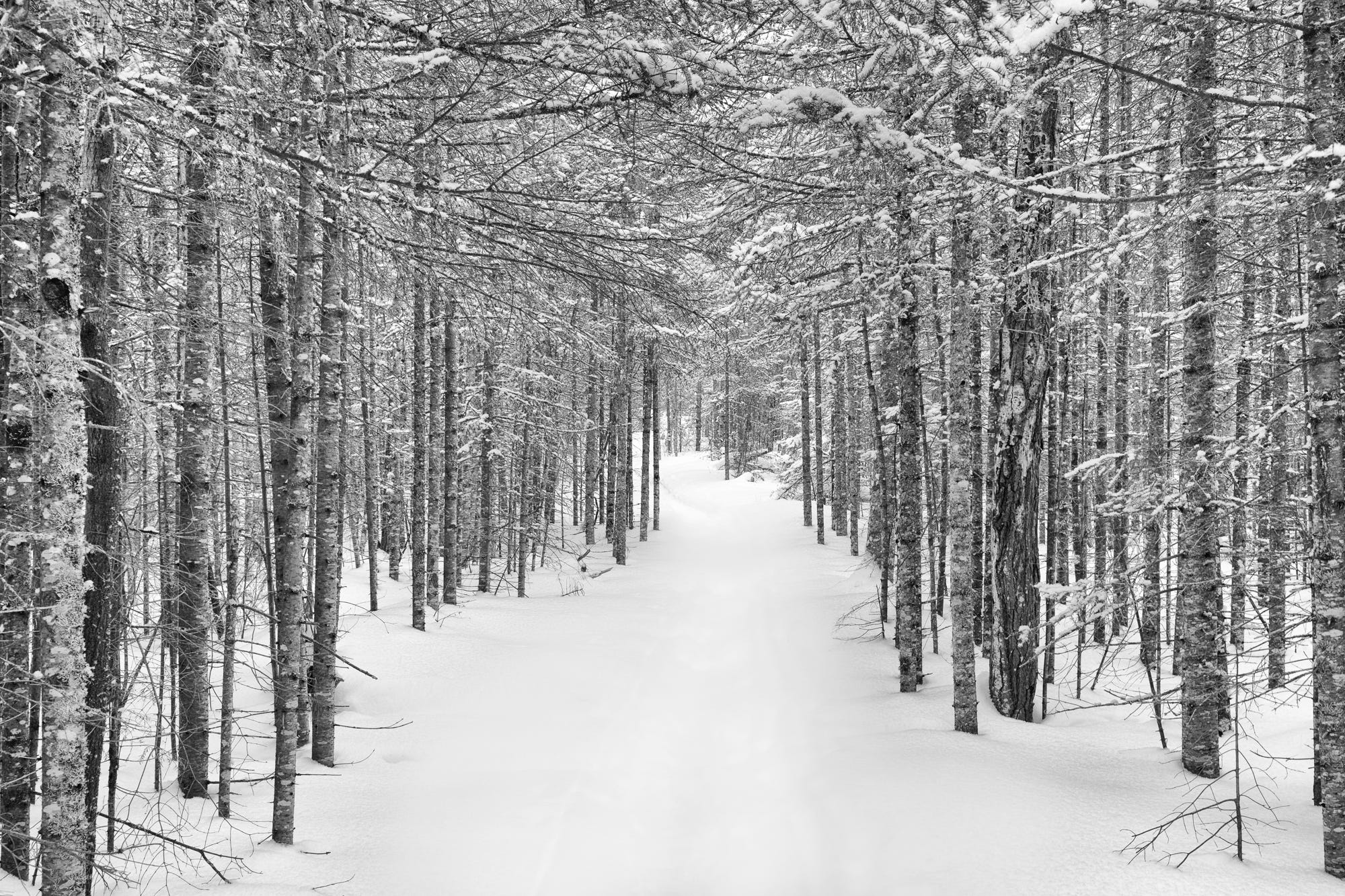
    Exposure #5 – Sand Creek, Louisville Swamp, MN.

    Rule #1: Make sure you have film in the film holder.

    It sounds obvious, but you must expose some actual film to make a photograph. However, during the process of LFF photography, you never see the actual film until you have developed it. On my second outing, I took three film holders with me in a carrier. I placed four sheets of film in two of the holders. One was empty. I made two exposures. And yes, you guessed it, I made them using the empty film holder.

    I was more than a little upset when I got home, and in my dark bag, as I was trying to move the film from the holder to the developing tank, I discovered there was no film in the holder. The two exposures would have been beautiful, probably, but we will never know. After three hours of hiking, composing, and all the steps of LFF photography, I made nothing but a rookie mistake.

    Fool me once. So, I spent an evening researching how to organize and manage film holders. Of course, with such a mature medium, plenty of systems and advice are available to help one avoid this issue. But unfortunately, none of the quick guides to LFF Photography that I had previously read touched on this necessity. Beyond knowing if there is film in a holder, there is also the challenge of knowing if the film is exposed (used, ready for processing) and, later on, the challenge of working out which negative was in which film holder.

    To progress my skills as a photographer, it is essential to be able to take notes about each exposure and relate this information to the final prints. Unlike traditional rolls of film, which have numbers on the actual negatives, on sheet film, there is no physical identifier on the negative to refer to.
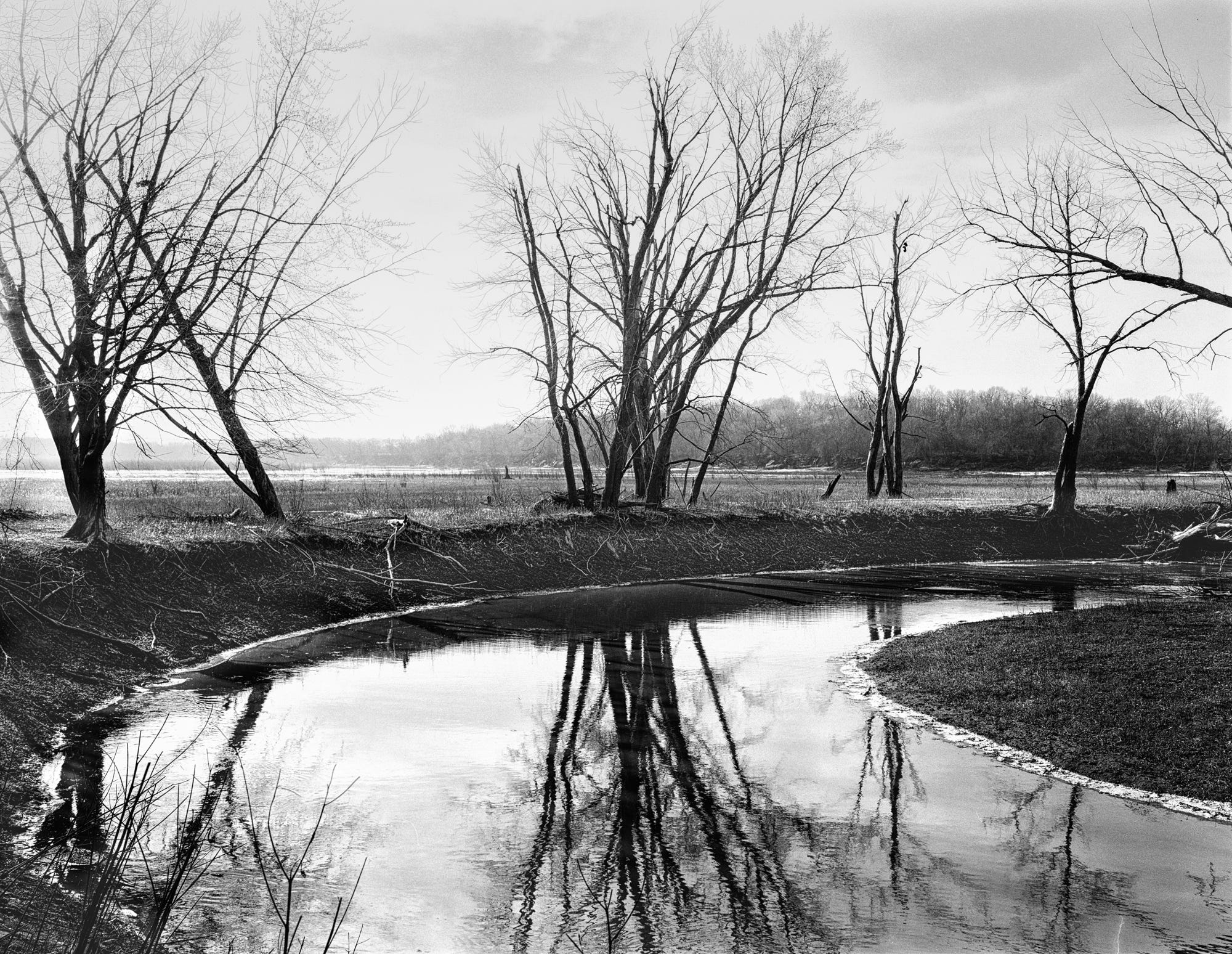
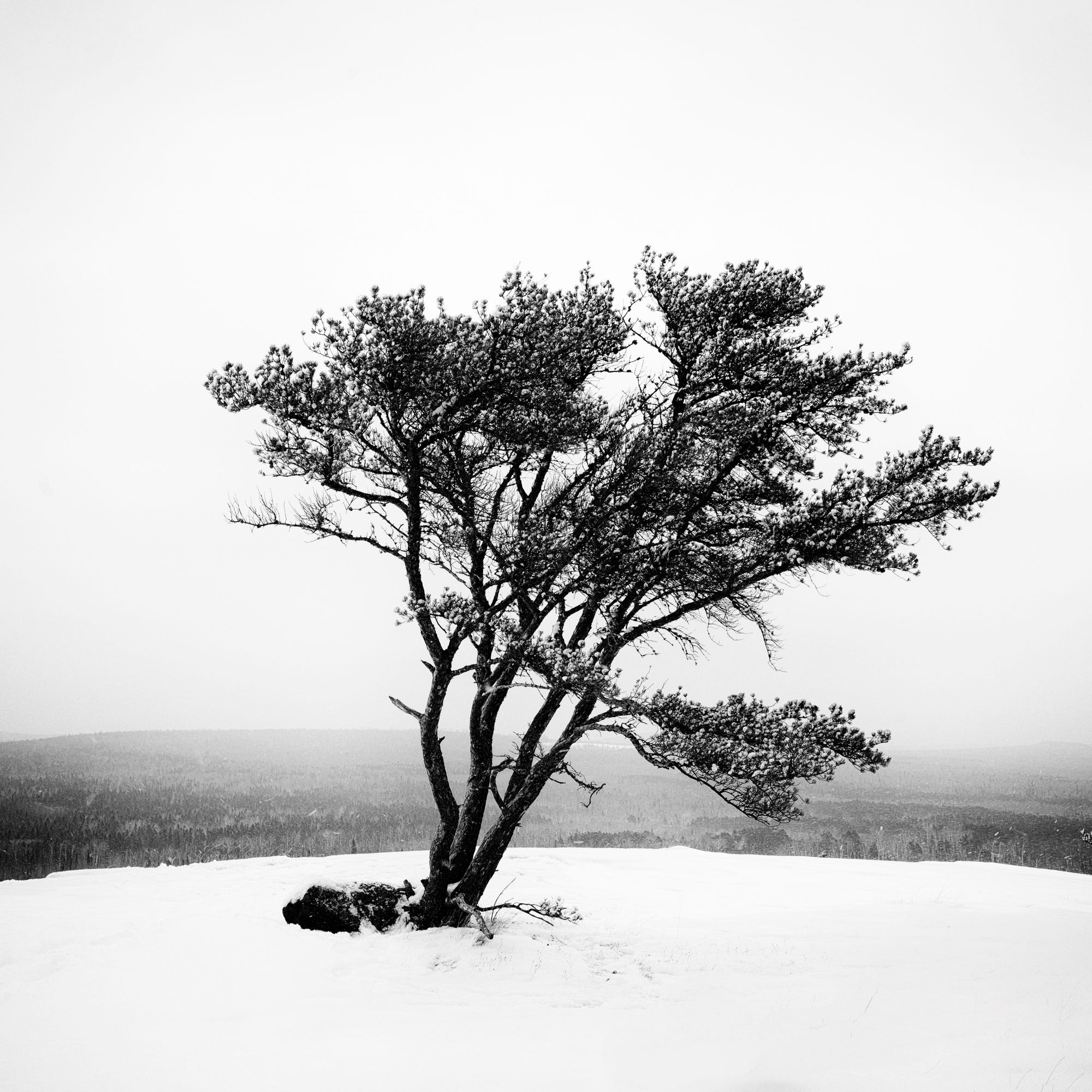
    Exposure #6 – Sand Creek, Louisville Swamp, MN.

    How to manage your film holders:

    1. Number the outside of each side of each holder. You will use this number in your notes to refer to the exposure information.

    2. Modify your film holders to imprint the number onto the negatives. This is sheer brilliance. Using a file and following the advice from the interwebs1, I carved a binary numerals system into the film holder’s edge. This then causes these notches to be exposed on the edge of the negative. This allows one to identify which film holder each negative was in and thus relate our notes to the negative.

    3. After loading the film into a film holder2, insert the dark slide consistently. I use white side out to signify that the film is unexposed.

    4. After exposure, insert the dark slide opposite, black side out. If you realize you have reinserted the dark slide the wrong way around, use your camera as a changing bag. Reinsert the film holder into the camera with the shutter closed, pull the dark slide out, and reinsert it correctly.

    5. Be consistent with undeveloped film holders and unloaded film holders. I keep the dark slide showing black until fresh film is loaded, and I keep the dark slide partially open once the film is removed for development. Thus, by looking at a holder, I can identify if there is film in it and if the film is exposed or not.

    6. Only take film holders with film in them on trips. There is no need to carry empty film holders and risk confusion about which ones are ready. I found a great case for film holders made by Stone Photo Gear3.

    I know this has been a lot of geeky nonsense and irrelevant to the vast majority of people reading this. But if I can help just one person avoid making the same mistake as me, then it will have been worth it.
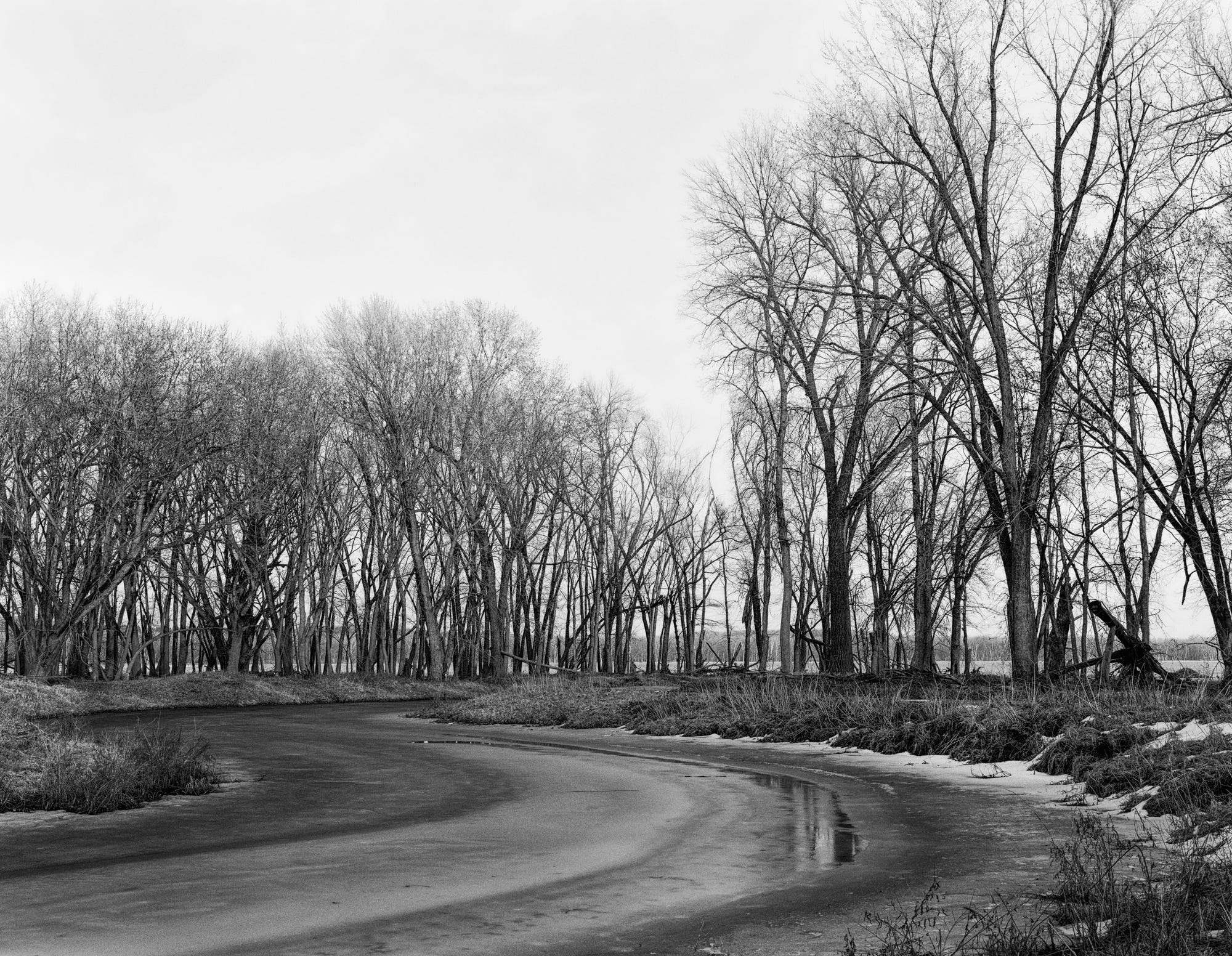
    Exposure #7 – Minnesota River Valley Nature Reserve.

    References

    1 https://www.jbhphoto.com/articles/film-holder-numbering/

    2

    https://www.youtube-nocookie.com/embed/QuP9F8LUzk8?rel=0&autoplay=0&showinfo=0&enablejsapi=0

    3 https://www.stonephotogear.com/filmstorage/4x5fieldcase

  • Concept Statement: The Boundary Waters Legacy

    Concept Statement: The Boundary Waters Legacy

    The Boundary Waters is a collection of land in north Minnesota, including Voyageurs National Park, the Boundary Waters Canoe Area Wilderness (BWCA) and the Superior National Forest, all administered by the United States Forest Service. The combined area is a breathtaking expanse of pristine lakes, dense forests, and thriving wildlife. It is one of the most ecologically valuable and visually stunning regions in the United States. Spanning over a million acres along the Canadian border, it offers solace to adventurers and a critical habitat for countless species. This unique and fragile environment faces mounting threats due to political policies and industrial initiatives related to copper-nickel mining and logging.

    This project will combine linguistic and medium-based concepts. It will use form and narrative to depict the natural beauty of the region while connecting the viewer to the literal subject—the potential loss of this region to man’s greed through policy and commercial activity.

    Photography and, more broadly, art have been used historically to connect broader audiences with the wilderness. The works of Ansel Adams, the photographer, and Thomas Moran, the painter, used their art to illuminate the need to protect our natural landscapes. Moran was pivotal to the protection of Yellowstone, and Adams worked through the Sierra Club to help create and conserve many of the current parks. They both excelled at capturing natural light, illuminating their subject matter’s beauty. They are both the influence and inspiration for this proposed body of work.

    The primary visual syntax will be tone. Used evocatively to create and shape form and focus the viewer. Form will play a substantial role in this project. Watercourses’ natural curves will represent the current harmonious balance, enhanced further by stabilising triangular forms that occur tonally around waterfalls. In contrast, open forms that exit the frame will highlight vulnerability and create tension, heightened using tones to create contrast and elevate emotions such as foreboding, fear, and a sense of loss. Textures will be used to enhance the viewers’ awareness of the delicate fragility of the ecosystem.

    The subject matter is the landscape, forests, lakes and rivers. To capture their beauty and vulnerability, the project will use a 4×5 large format field camera, backed up with a high-resolution digital camera. The choice of large format film is informed by the camera’s ability to enhance creative control by providing massive resolution and superb image control of perspective and focus using tilt, shift, and swing. The images will be rendered onto black and white low iso film to simplify processing and to allow extruded time captures of water motion. The choice of film stock, Ilford Delta 100, will balance the film aesthetic and grain with the desire for detail. ND filters will be used to control exposure and enable extruded time captures, and colour filters will be used to allow in-camera contrast control. Polarizing filters will reduce glare and reflection, which can negatively impact black and white tones. The film aesthetics provide nostalgia and pay homage to the greats like Adams. This connection to well-known artists’ aesthetic will assist the narrative of beauty and wilderness needing protection and preservation.

    By recording the region’s beauty, it is hoped to communicate its fragility and influence the viewers’ perspective on policy that impacts the region. This will cause them to reflect on their own connection to nature and persuade them to act.

    The finished work will be exhibited in a large, printed form. The framing and matt styles will vary depending upon the particular emphasis of the image. Varying aspect ratios and mat proportions will emphasize form and narrative. In addition to being exhibited physically, it will be used to create a photo essay, allowing for the possible syndication of the work online and increasing its relevance and political impact.

    To quote Teddy Roosevelt:

    “Here is your country. Cherish these natural wonders, cherish the natural resources, cherish the history and romance as a sacred heritage, for your children and your children’s children. Do not let selfish men or greedy interests skin your country of its beauty, its riches or its romance.”

  • Work in progress: The Boundary Waters Legacy

    Work in progress: The Boundary Waters Legacy

    The Boundary Waters is a collection of land in north Minnesota which includes Voyageurs National Park, the Boundary Waters Canoe Area Wilderness (BWCA) and the Superior National Forest, both administered by the United States Forest Service. The combined area is a breathtaking expanse of pristine lakes, dense forests, and thriving wildlife. It is one of the most ecologically valuable and visually stunning regions in the United States. Spanning over a million acres along the Canadian border, it offers solace to adventurers and a critical habitat for countless species. This unique and fragile environment faces mounting threats due to political policies and industrial initiatives related to copper-nickel mining and logging.

    This photography project seeks to document the stunning beauty of the Boundary Waters as it exists today and the environmental pressure brought about by industrial activities and policies. The aim is to create a compelling visual narrative highlighting the importance of preserving the Boundary Waters while capturing the tangible impacts of human intervention.

    At its core, this project begins with celebrating untouched natural beauty. The early phases will focus on capturing the raw splendor of the Boundary Waters as it is now—its mirror-like lakes, ancient pine forests, and vibrant ecosystems. These images will showcase the diversity of flora and fauna, the interconnectedness of life in the wilderness, and the tranquility that draws visitors from around the globe. The camera will act as a window into a world that remains, for the moment, largely unspoiled.

    As time progresses and policies take effect, the project will shift its lens to explore the changes occurring within the environment. Copper-nickel mining, for example, has been a contentious issue, with potential repercussions including water pollution, habitat destruction, and ecosystem degradation. The photographs will do more than juxtapose the “before” and “after” states. Still, they will visually chronicle the environmental impacts and serve as a sobering reminder of the delicate balance between human activity and environmental stewardship.

    Visual storytelling will play a vital role in this project. These images will emphasize the beauty of what is at stake and the stark reality of what may be lost. Photographs of waterways impacted by mining runoff and forests succumbing to degradation will provide undeniable evidence of the consequences of policy decisions.

    The genre of Fine Art Landscape Photography often captures the beauty and majesty of the natural world, emphasizing vast vistas and the interplay of light and shadow. The choice of black and white aligns with these traditions, highlighting the form and texture of the land.

    Photographers like Ansel Adams have significantly impacted the genre with their meticulous attention to detail and mastery of tonal range. Adams’s skill not just in conveying the grandeur of the American West but also in fostering the viewer’s connection with and desire to preserve our wildernesses inspires this project.

    The long-term goal of this project is to raise awareness and provoke dialogue about the environmental implications of political policies. By engaging viewers with visually striking and emotionally resonant imagery, the project aspires to inspire action through advocacy, conservation efforts, or policy reform. The photographs will serve as a testament to the Boundary Waters’ intrinsic value and a call to preserve it for future generations.

    This body of work is intended for exhibition in galleries, environmental journal publications, and digital media dissemination. By reaching a broad audience, the project hopes to foster a sense of connection and responsibility toward one of the most treasured wilderness areas in the United States.

    Ultimately, “The Boundary Waters Legacy” is more than a photography project—it is a testament to the power of visual storytelling to reveal truths, evoke emotions, and inspire change. Through the lens, we will witness the transformation of a landscape and the ongoing struggle to protect the irreplaceable.

    This project will not be completed during this semester. This class period will serve as an initial research phase to document the impending policies and impacts and begin to capture photographs of the region’s pristine beauty.

    Background research:

    1. Public Land Order No. 7917: Federal Register :: Public Land Order No. 7917 for Withdrawal of Federal Lands; Cook, Lake, and Saint Louis Counties, MN Ordered by the Biden administration on 1/31/2023 protected the BWCA from mining leases for 20 years.

    2. Superior National Forest Restoration Act: H.R.3195 – 118th Congress (2023-2024): Superior National Forest Restoration Act | Congress.gov | Library of Congress. Proposed by Republican Congressman Stauber to reinstate mineral leases in the BWCA.

    3. Project 2025, page 523: Mandate For Leadership – Project 2025 PDF Document : The Heritage Foundation: Free Download, Borrow, and Streaming : Internet Archive. Heritage Foundation plans to revisit energy and mineral production in the BWCA.

    4. Reuters US Forest Service Fires 3,400 workers, National Park Service cuts 1,000: US Forest Service fires 3,400 workers, Park Service cuts 1,000 | Reuters. The Trump administration orders a massive reduction in the size of the government workforce, impacting the Forest Service and National Park Services.

    5. Boundary Water Canoe Area Wilderness mining restrictions modified: HF 309 Status in the House for the 94th Legislature (2025 – 2026). Minnesota State Senator Steve Cwodzinski and State Representative Alex Falconer introduced the Boundary Waters Permanent Protection Bill.

    6. Save the Boundary Waters: Protect the Boundary Waters from sulfide-ore copper mining. | Save the Boundary Waters is a Minnesota-based nonprofit dedicated to protecting the BWCA from exploitation.

    7. Presidential Executive Order: Addressing the Threat to National Security from Imports of Timber, Lumber – The White House Agenda to remove protections and review from logging activities hidden in plain sight.

    8. Presidential Executive Order: Addressing the Threat to National Security from Imports of Copper – The White House Agenda to remove protections and review from copper mining activities hidden in plain sight.

  • Same scene three styles

    Same scene three styles

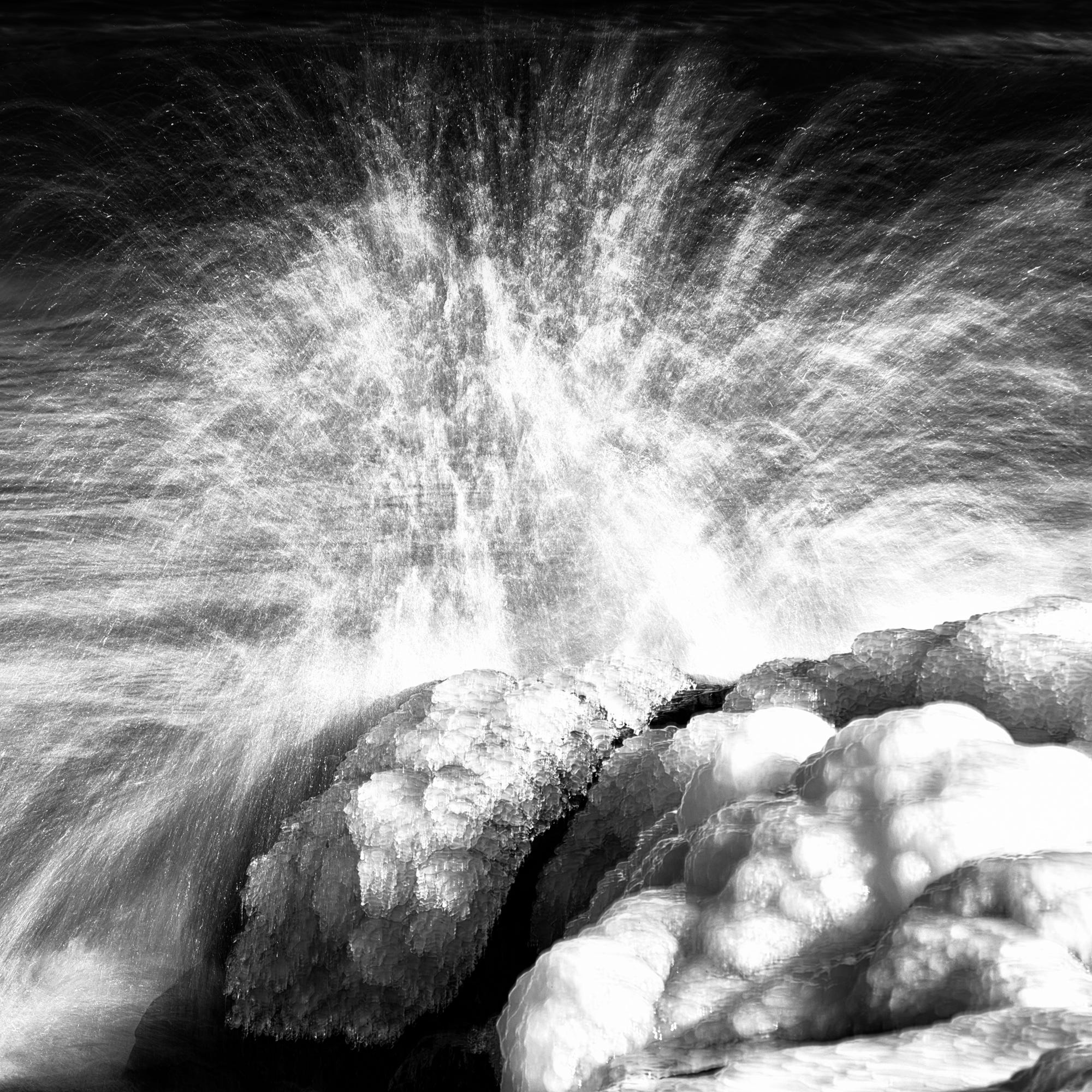
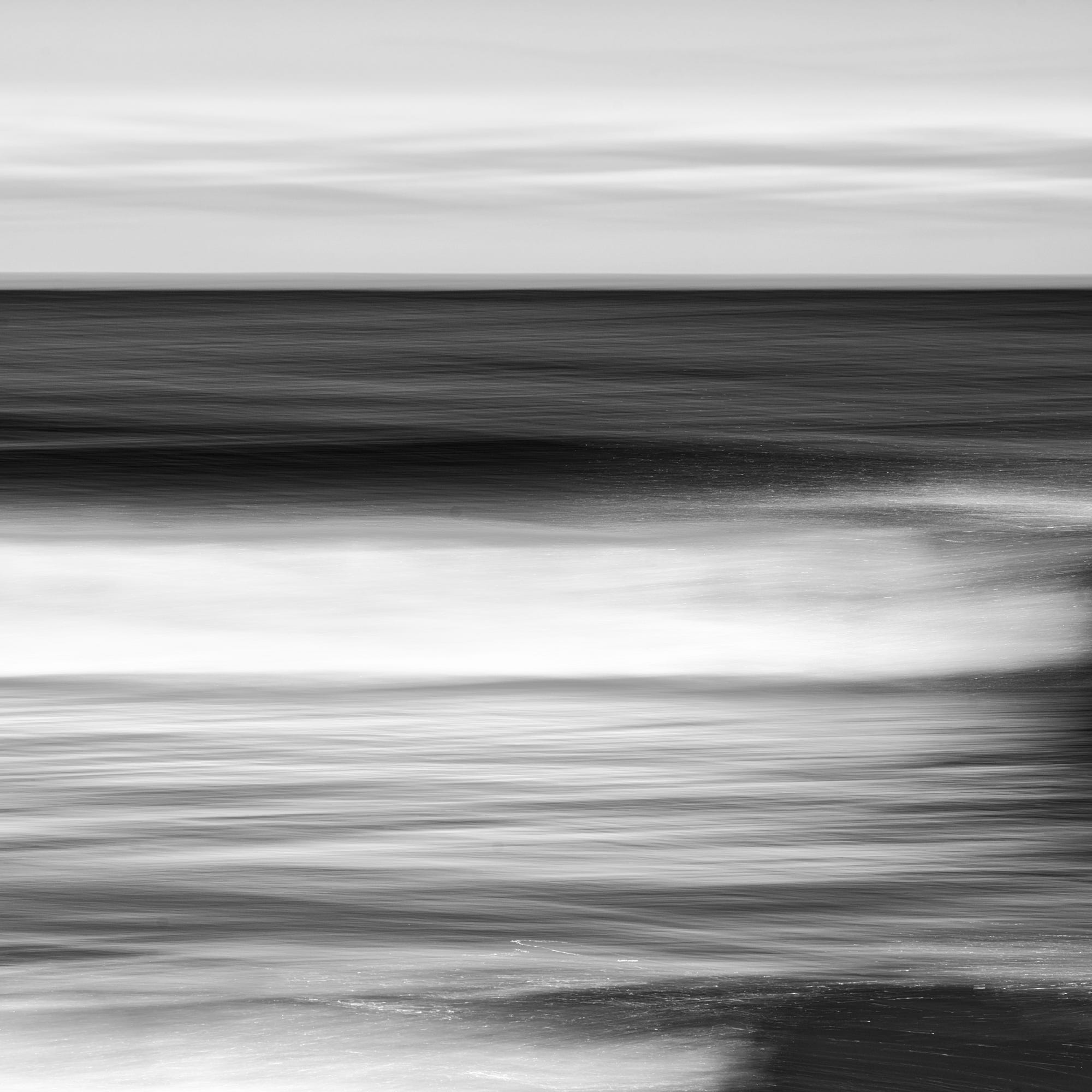
    One of the many joys of studying photography at university is being pushed to go outside your comfort zone. This past week, I was required to shoot the same scene in three styles so that it would appear that three different photographers made the images. I used this as a chance to experiment; I stayed comfortable for my first image, tried ICM for my second, and used a red filter to challenge our perception of tones for my third.

    I used my longest lens to get close to this scene and then stacked ND filters to bring the shutter speed down: 330mm 0.4 seconds at f/13, ISO 64. This allowed me to capture the spray’s extruded time motion and create this intense visual explosion. Below the spray, beautifully sculpted ice formations have been made, rich with texture and reflecting the harsh sunlight. This image was created with an experiential outcome in mind. People who don’t live in the north rarely witness these beautiful boundary conditions in the harshest environments.

    I switched to my standard zoom lens (24-120mm) for this second image and set it to 89mm. Using my tripod for horizontal stability, I added a six-stop ND filter and practised creating horizontal intentional camera movements (ICM). I found the most pleasing effect was with the shutter speed set to one-sixth of a second, as it allowed the wave definition to be visually maintained. I made this image to show how water and ice are unified at a visual and molecular level, blurring the boundaries between liquid and solid matter as the waves create and erode the ice.

    In this final image, I was experimenting with using a red filter to help bring interest to what was a dull sky. Using the filter, I emphasised repeating tonal variations and interesting diagonal lines by inverting the usual dark land/water to light sky contrast. I timed the image to capture the wave breaking and curving along the shore, complementing the curved snowline on the beach. The light, dark, repeated curves bring the eye up through the image to the tip of the land, where they can explore the beautiful ice formed over the rocky promontory. The variations are not just in the tone but also the texture, first the snow, then the pebbles on the beach, then the breaking wave and then the ice floating in the water.

    To capture the expanse of this view, I used my standard zoom at 24mm, f/11 1/60th of a second and base ISO.

    What do you think? Did I succeed with the assignment? Let me know in the comments.

  • Why am I scanning film negatives?

    Why am I scanning film negatives?

    Large- and medium-format film photography feels like a different art form from digital photography. Yes, it shares the same visual language, but the tools are so different, and the aesthetic is considerably different.

    The lifecycle of image capture is measured in hours or days, not milliseconds, from button press to review on the back of the camera. Instead, the film is exposed, and we, the photographer, are left imagining what we have captured.

    My initial forays into the dark arts of film photography have relied on a lab to develop and scan my negatives. My rationale was the overwhelming amount I needed to learn about the camera before I delved into developing or scanning.

    Recently, I decided to expand my learning into scanning, mainly because I wasn’t satisfied with the digital films the lab was sending me.

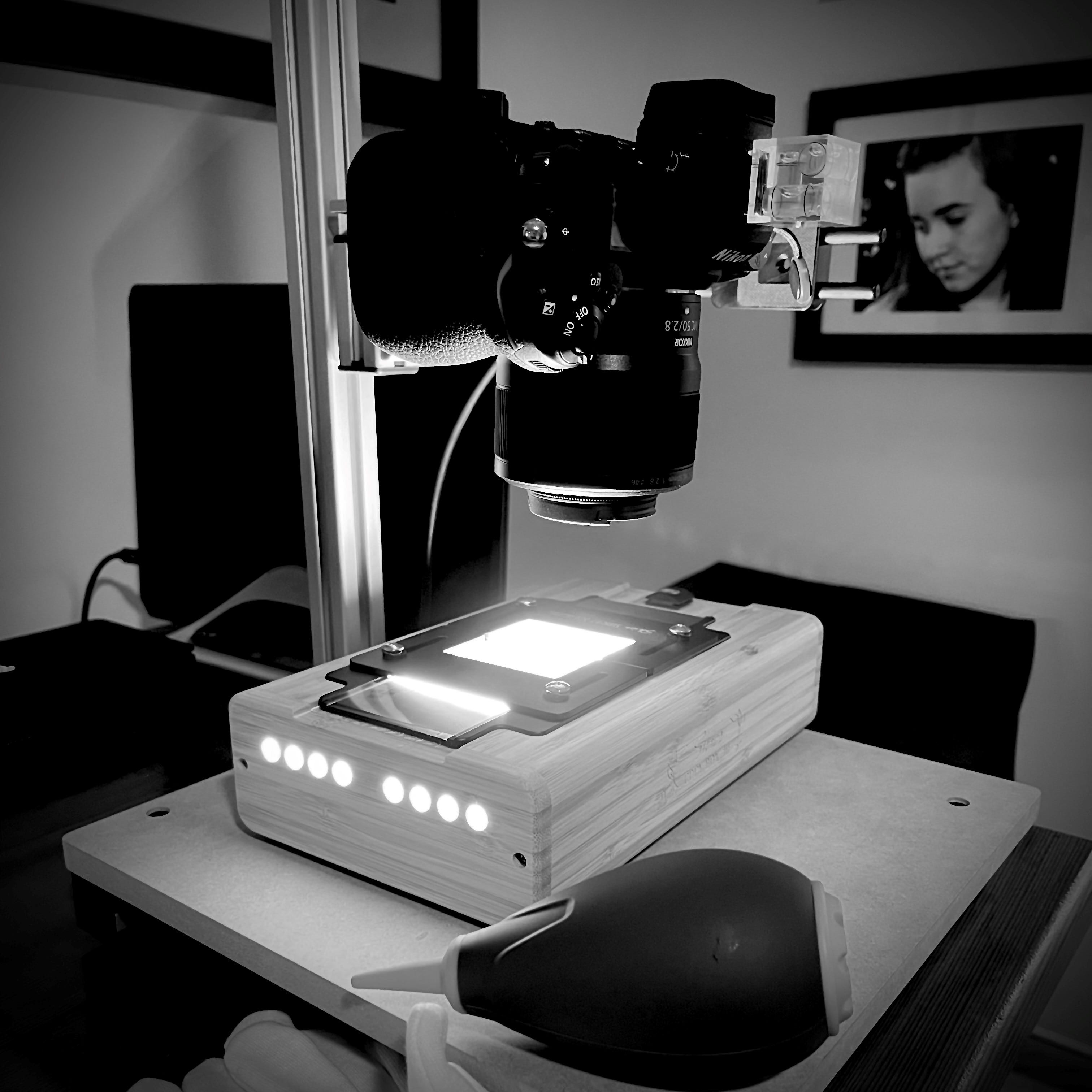
    This is the first scan I created. It was a series of nine images that were taken using my Nikon Z7ii mounted on a copy stand and a Sunray light box to hold and illuminate the negative. I could have captured the negative as a single image; that is how the lab captures them. However, I was looking to explore the quality of the negative at a deeper level. By using a macro lens set to 1-to-1 magnification, the sensor was capturing images from the negative, matching the negative area to the sensor area (thus the one-to-one ratio); this required a set of three-by-three images to completely capture the image and overlap each area by enough for the software to stitch the final image together. The resulting image was 14,000 pixels wide and high. Because each pixel is captured with a vast range of tones requiring 14 Bits of digital data, the resulting image was close to 400MB!

    The Über scan.

    But why did I bother? When I examined the original file from the lab, I found a very finite grain that appeared when I started looking closely. Also, there was limited data, so adjacent pixels were quite different in tone. The subtlety was being lost; the data that seemed to go on forever in analogue film was missing from the scans.

    Please excuse the dust on the negatives

    This image shows the difference. The left half shows a zoomed-in version of the lab scan; the right is the version I created. Even more interesting is that the right image is already zoomed in twice as close as the lab scan on the left, yet still, more information is available. This higher resolution and greater tonal range allow me to edit the image by cropping or manipulating the tonal values through dodging and burning. This level of flexibility doesn’t exist in the lab scans.

    Using this approach, I am scanning approximately 4500 pixels per inch. I think that is enough for now! Two significant improvements in my setup allowed these improvements in scanning. First, the macro lens, I am using a Nikkor 50mm macro lens. The macro lens is designed to have no distortion and a consistent focus across the entire image. This helps minimise the correction that needs to occur in the software when stitching the individual photos together. The second improvement was a copy stand, which holds the camera and light box rigidly, allowing for much greater focus precision and consistent exposure without altering the settings between images.

    Well, that’s enough nerding out for now. I look forward to sharing more scans as I start using medium—and large-format film for school work. The semester started last week at art school, so I am head down learning and working towards the MA. I hope to share some of my projects soon.

  • Why explore film?

    Why explore film?

    Jacquelyn pointed out this morning how odd it was to make a film photograph, develop the negative, and then turn around and digitise it. Amongst the film photography enthusiast community, this approach is known as hybrid photography, blending the use of film into the digital world. If I want to do anything with a photograph on the internet, then it is at some stage going to be digitised. I have opted for this blended approach to film as there is simply a massive amount to learn. First, I must learn to use large and medium format cameras and lenses. Then, I need to learn to develop film. And finally, I need to learn to digitise negatives and turn them into viewable positives. I could skip the learning to develop step; however, my school modules require the current week’s work to be submitted for classes, so if I am to be in a position to use any of my analogue photographs, I need to have a faster turnaround than mailing my exposed film to California and waiting for their return scans.

    None of the above explains my desire to learn about film. I used to use film, and in my teens, I enjoyed photography. I used my family’s Pentax ME Super—it now sits dead on my shelf as a decoration. Its shutter sticks and two attempts to service it have not resulted in a reliable mechanism, so it has become a bookend. I returned to university for a graduate degree because I wanted to learn. I am not studying for a new career. I am studying to learn and expand my understanding of photography because it is a passion. Photography started as a chemical process, which evolved into what we now call film photography, and then, as technology allowed, photography entered the digital world. Returning to film, I combine history, science, composition and aesthetics lessons that could get skipped over if I only stayed in the digital world.

    Film photography is an unforgiving process, but this is a positive. Once a negative is exposed, its resolution, grain, contrast and tonal range are set. The film does not store information the way a digital file from a DSLR does. The film chemically captures the light it receives and responds within a small range of chemical changes. The consequence is that if the exposure is too little, you end up with a dark image and will lose information, and if the exposure is too great, the highlights get blown out, and you lose the information there. The data is lost forever. Unlike digital images, where there can be tremendous hidden variation in the shadow data, the data is lost with film. The film stock (brand, type, speed) also affects how much analogue information is captured during the exposure. Some films work quickly and are suitable for low light; others require more light and take longer to (chemically) respond to the light, hitting the film.

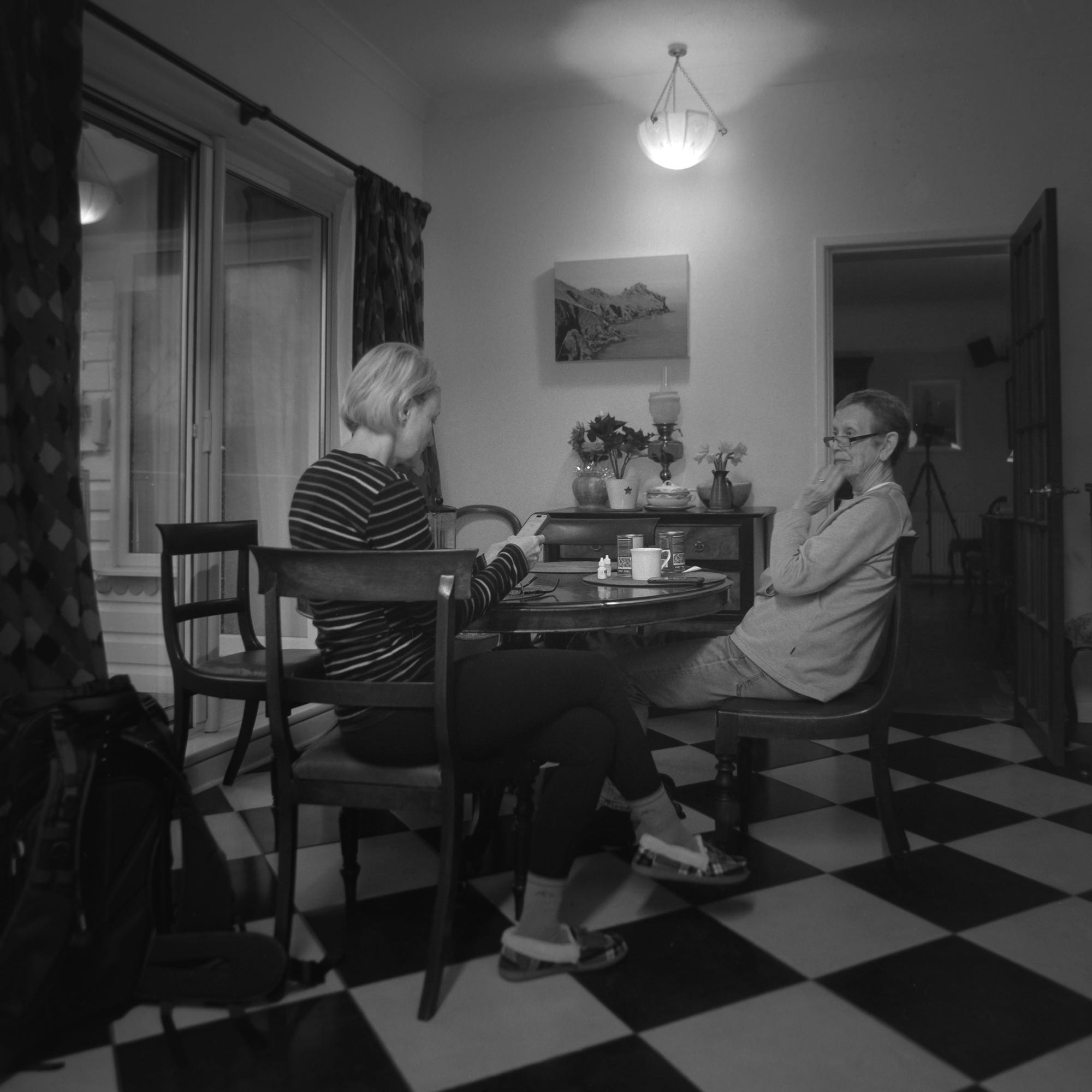
    Jacquelyn and Mum, in Calstock, UK.

    This photograph illustrates this responsiveness well. I made it handheld with the Hasselblad 500C/M using ISO 125 film. I used a 1/60th-of-a-second shutter speed and compensated for the low light by shooting wide open, which means an aperture of f/4 on the lens I used.

    Using f/4 had two noticeable consequences. First, the short exposure meant that the film did not capture much information, and there was quite a lot of grain. But despite the grain, there is considerable detail in, for example, Jacquelyn’s phone; you can see words on the screen (remember, the image I shared is a low-resolution version of a much higher-resolution version on my screen). The whites are blown out if you look at the light hanging down. There is no detail in that area of the negative. Similarly, there is very light detail in the backpack in the lower left of the image, where the blacks lack clarity. The second noticeable consequence is the super shallow depth of focus. Look at the items on the table: the cup, the eye drops, and the tin cans are all sharp, but Jacquelyn’s slippers and the lamp behind them are all soft. The depth of focus is only 10cm or three inches. This is both the joy and the challenge of medium and large-format photography; the depth of field is very shallow at large apertures. One of the things I am very excited to explore in large-format photography is the ability to alter the focal point to bring more or less focus. It’s especially interesting for landscapes where you can get the foreground into focus by tilting the focal plane slightly down; this allows the focal range to extend from as close as a meter to infinity.

    The look of this photograph is unique to film. No one will mistake it for a digital camera image. Learning how to control this aesthetic and use it artistically is one of the exciting things ahead for me on my learning journey.

  • Hasselblad Heritage

    Hasselblad Heritage

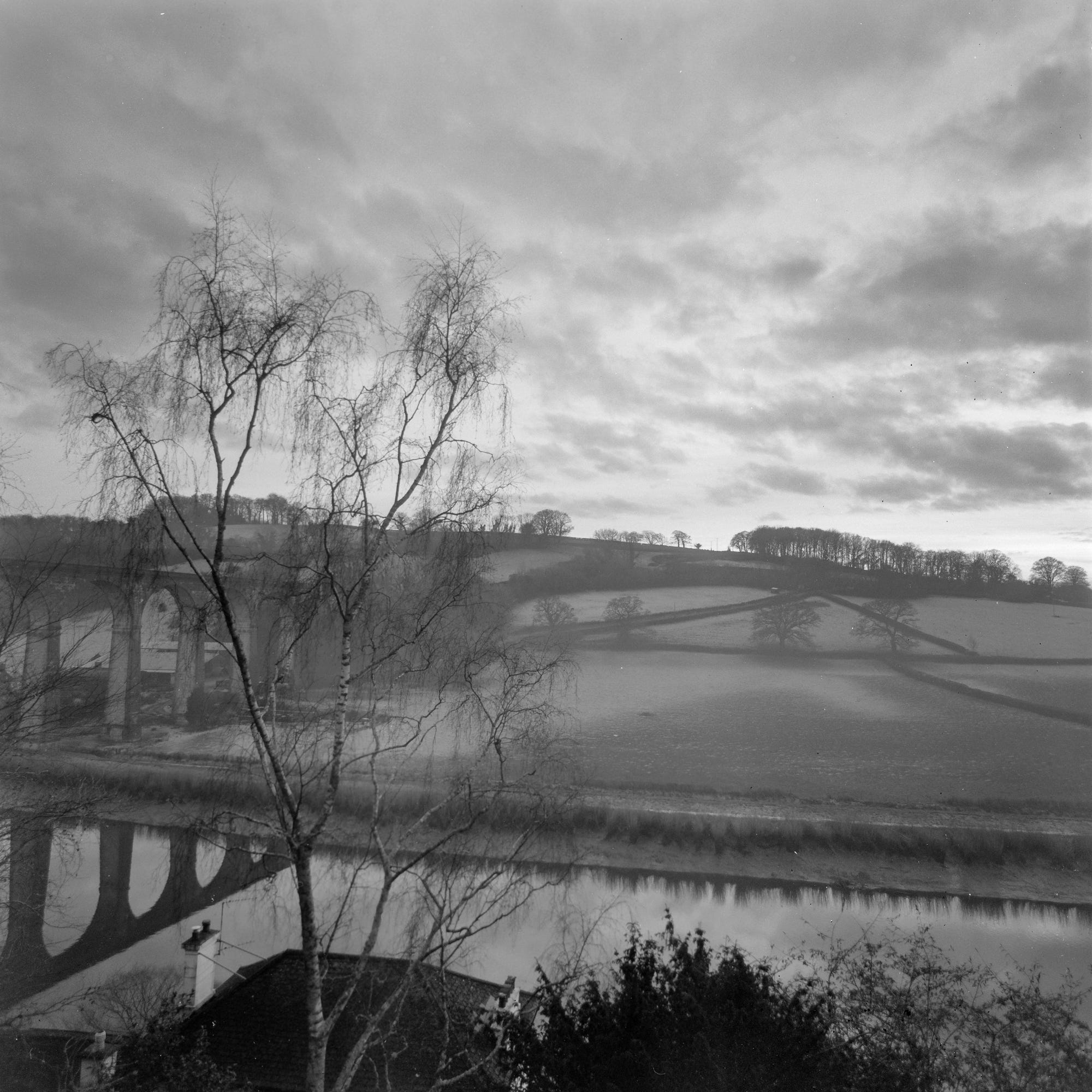
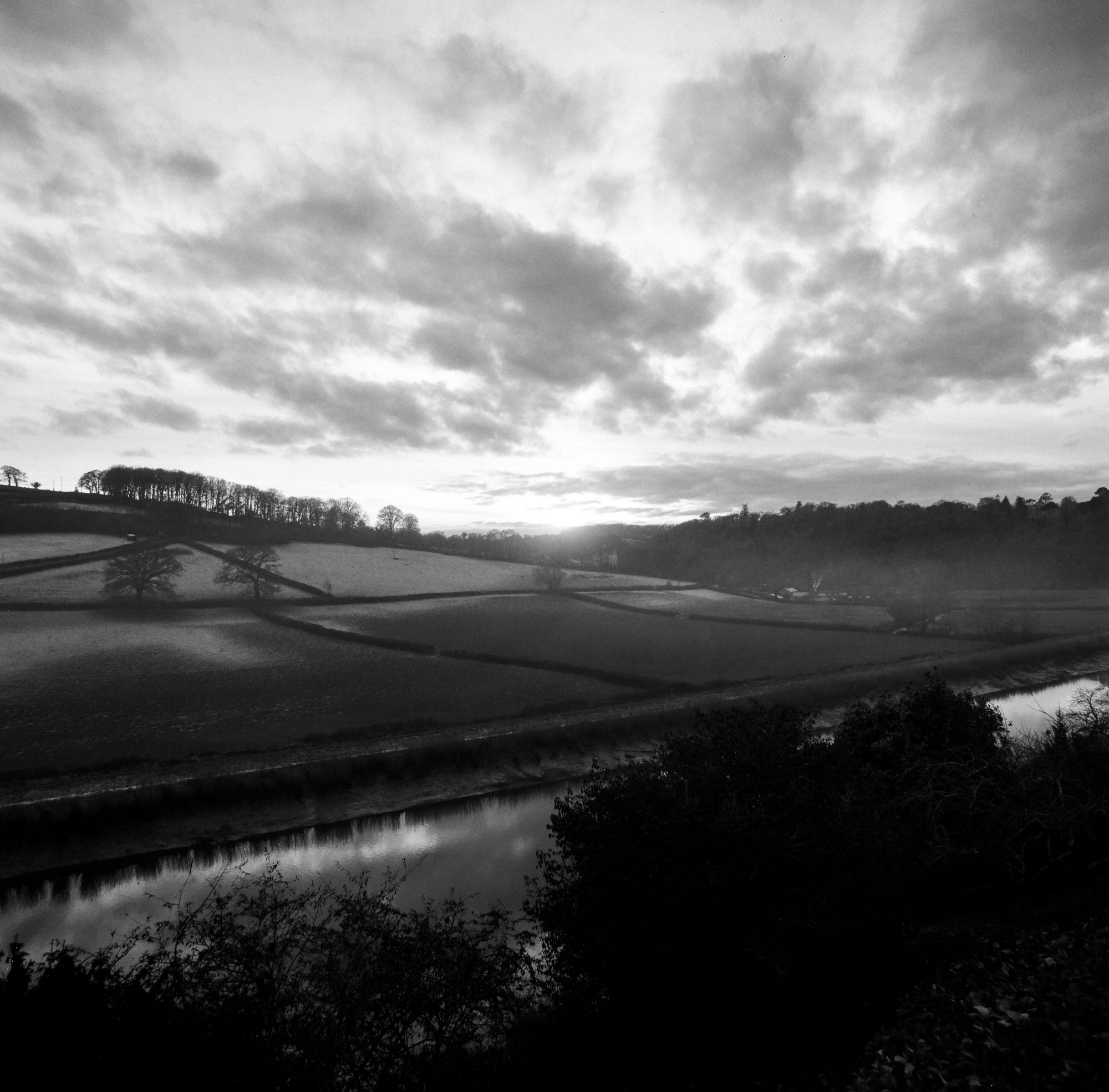
    These are some of the first 12 photographs I took with the Hasselblad 500C/M I acquired from a great friend. I forgot my light meter on the trip, so all the exposures were guestimates. The camera is fully manual, and so are the lenses. Learning to focus is quite a challenge; the camera has a waist-level viewfinder, so I am squinting at a reversed image on a ground glass screen; the left is right, and the right is left. I shot the first roll handheld as I didn’t have a tripod adapter for the camera. The lens has distance markings, so I zone-focused and hoped for the best.

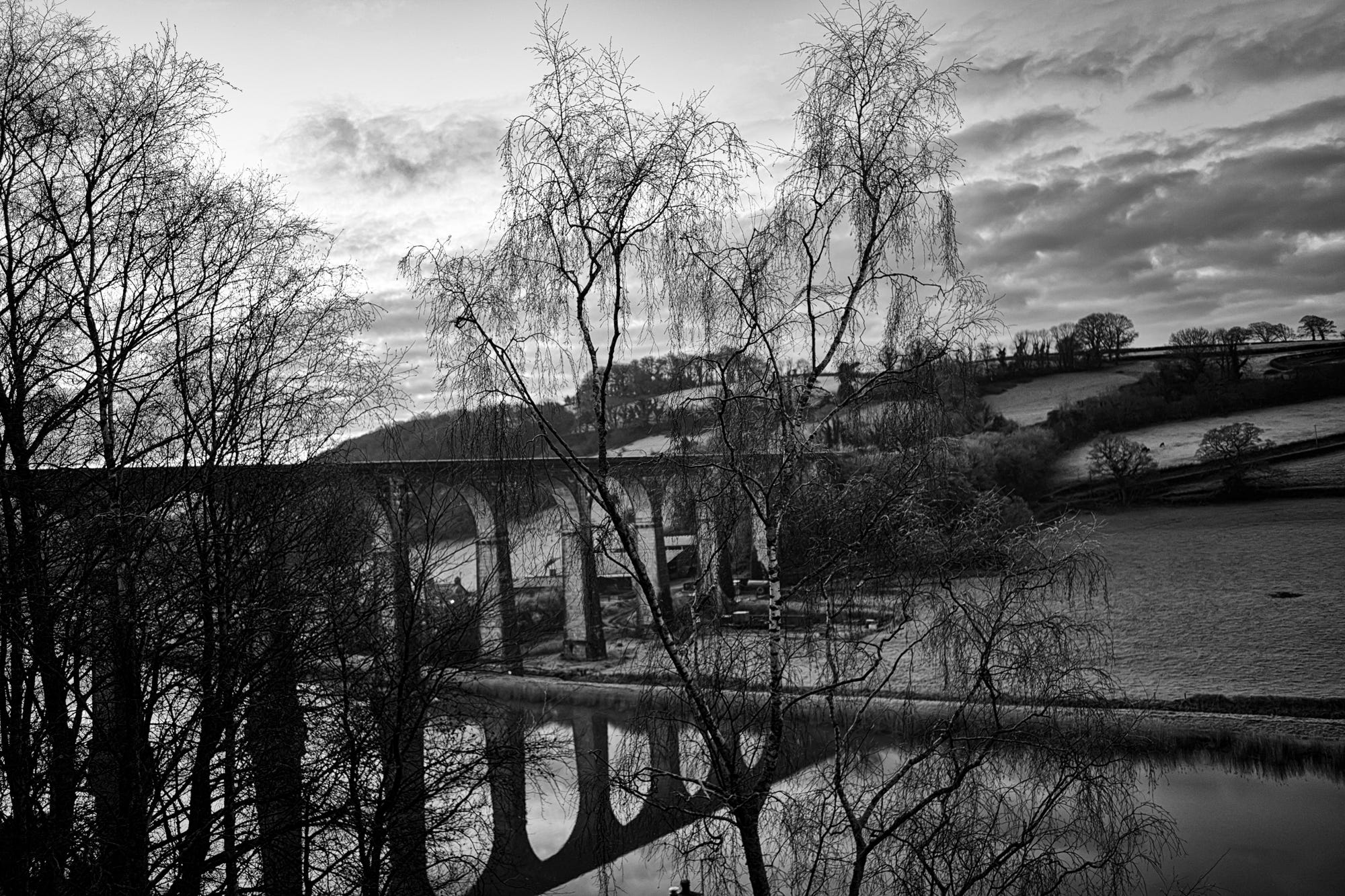
    Calstock viaduct – Hasselblad 500C/M 40mm Distagon Ziess

    I am pleased with the outcome. The images are relatively sharp, the tonal range is lovely, and the grain is a pleasant addition. I have become accustomed to the incredible clarity and sharpness of my Nikon Z7ii, and these images are different, softer, and more subtle. One could argue that the Nikon is more refined, but I would hesitate to use that word. Instead, I would say the digital Nikon camera has greater clarity, and the Hasselblad has more warmth.

    Tamar River Valley – Hasselblad 500C/M 40mm Distagon Ziess

    The Hasselblad is considered a medium-format camera. The film is roughly two inches square, and each 120-film roll has 12 exposures. Once developed, the negatives are scanned. I paid for the “super scan” equivalent to a 45-mega-pixel resolution, the resolution of my Nikon. I noticed a lot of dust and hair on the images when I started pixel peeping (looking at high magnification), and I plan on rescanning them when I get the negatives back. Perhaps the scanner was dirty, or the film needs to be blown clean.

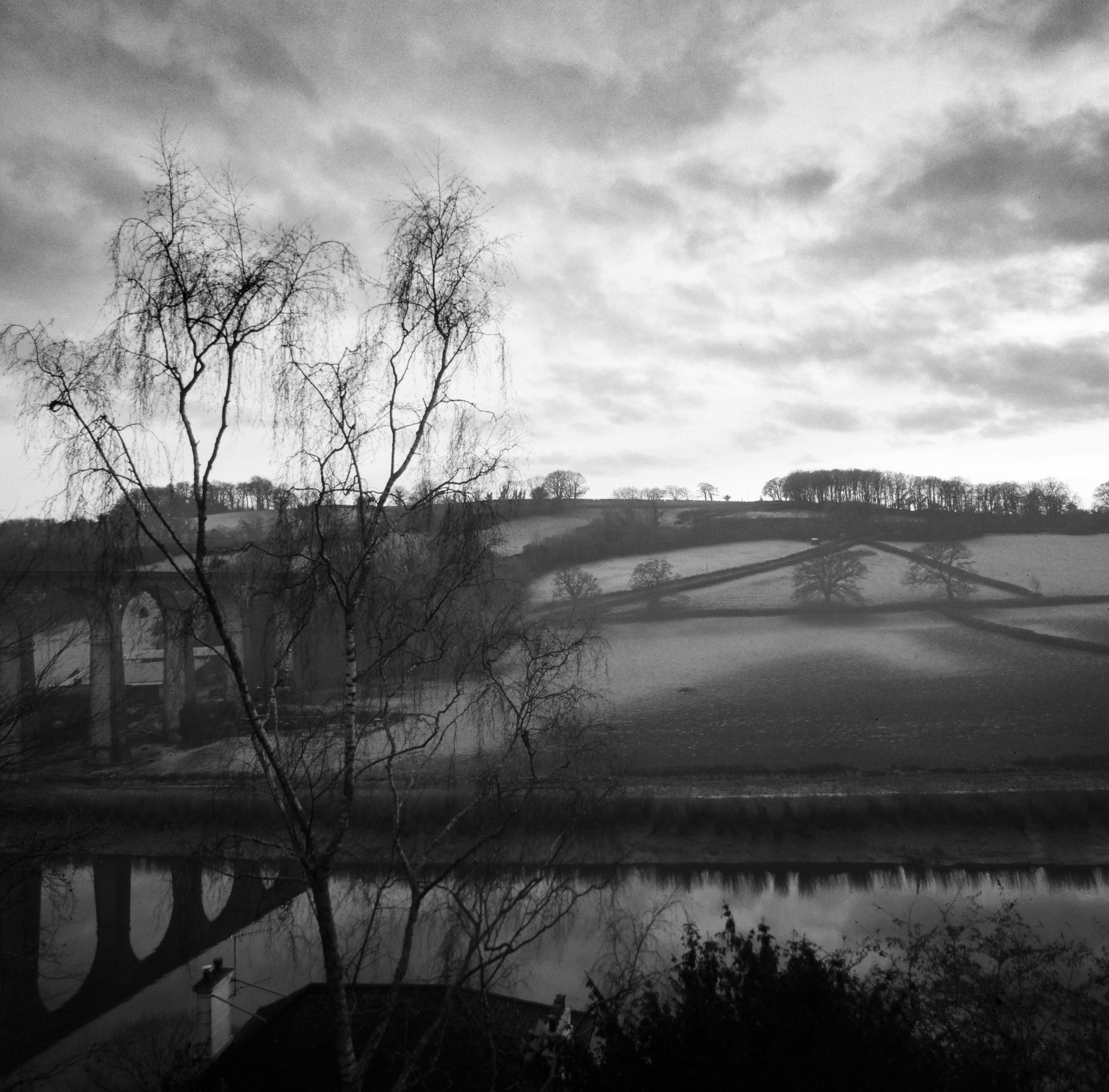
    Calstock Viaduct – Nikon Z 7ii Nikkor S 24-120mm

    I included this image I made using the Nikon Z7ii as a comparison so you can see the two different technologies and make your own decision.

    I look forward to working on the Hasselblad and learning to get the best out of it.

  • Refusing to cow down

    Refusing to cow down

    North Devon

    Last week, I promised some photographs from north Devon, where Jacquelyn and I visited the coast at Mouthmill Beach. And yes, a mill is at the mouth of the river that leads to the beach. It’s no longer a working mill, but the building still stands. It is a gorgeous section of the coast, and we walked to it via the South West Coastal Footpath. The SWCP is on my bucket list for us to walk end-to-end one day.

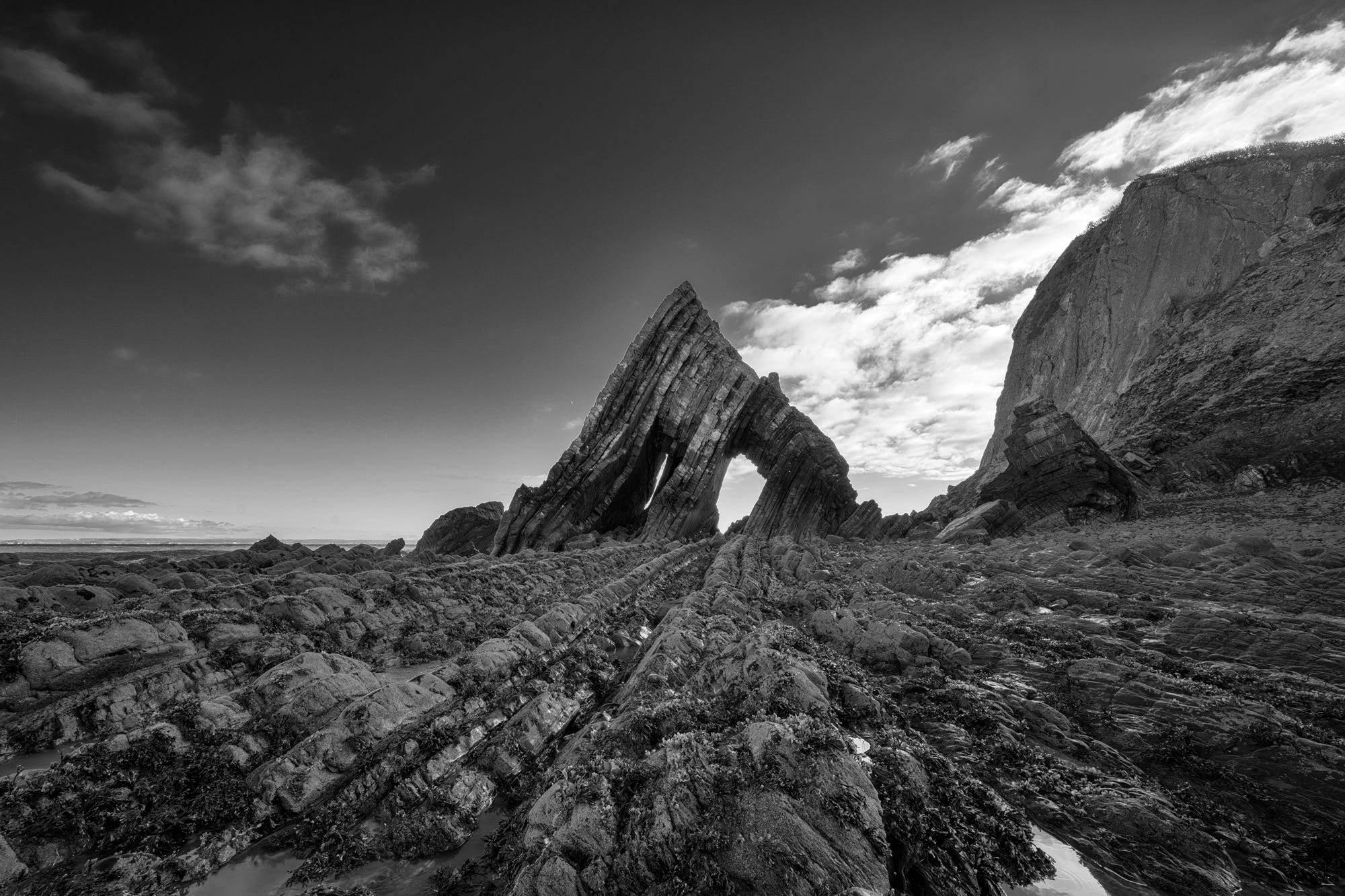
    Blackchurch rock, Mouthmill beach

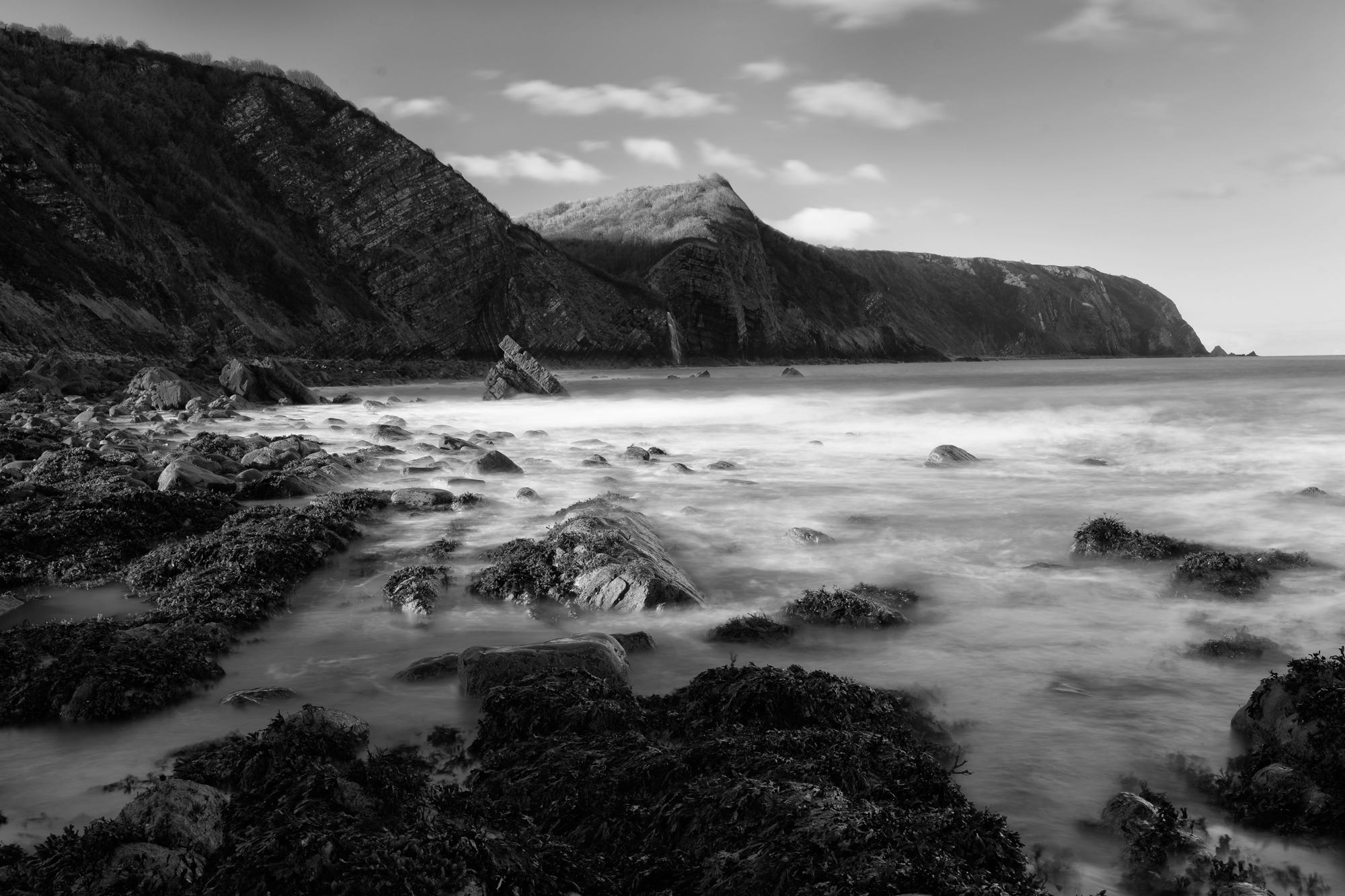
    This photograph shows Blackchurch rock viewed from the west. This stunning rock is made up of leaning layers and punctured by two large caves. I have interspersed a few other photographs below for your viewing pleasure.

    Aurora

    I recommend listening to The River by Aurora to get in the mood. I have been listening to her music a lot lately. Her range can produce instant goosebumps for me. My other recent favourite is The Seed. The lyrics “when the last tree has fallen, and the rivers are poisoned, you can’t eat money. I stumbled across her music through a video of a concert she gave to friends and family in the woods. If you are new to Aurora, I recommend starting with the concert. You will experience her quirkiness, beauty, and talent.

    Cathartic cleansing

    This week, I spent far too much time and money removing visible noise from my studio office. After upgrading my network to 10Ge, I relocated all the extraneous tech—NAS, Switch, router, Wi-Fi—into the closet behind me. Visible and audible peace returned to my space. Now I am just being disturbed by one cable and too many cable clips holding it against the wall. I think a tiny conduit may be needed to illuminate the clutter.

    This morning, I spent 45 minutes under my desk tidying the way all the cables run. Why? It’s just my OCD kicking in. I don’t want to see wires when I walk into my office.

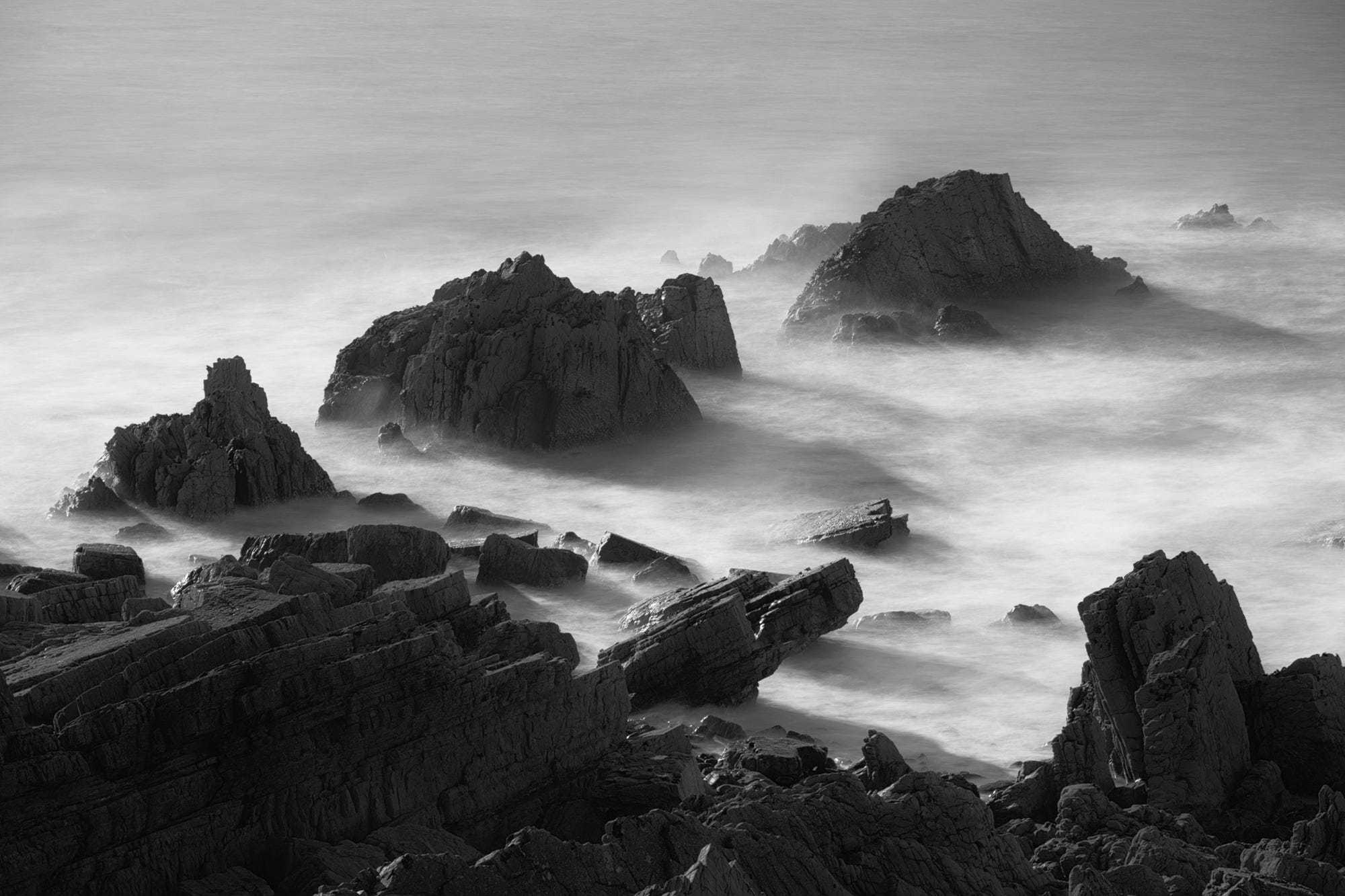
    Hartland Quay

    Antisocial media

    Furthering my quest for cleansing, I have continued to declutter my life by removing myself from Facebook, Instagram, and Threads; I also cleaned out LinkedIn of all my responses, content, etc. I am remaining connected to that platform at Jacquelyn’s suggestion. Her point is that I occasionally provide consulting within organisations, and my LinkedIn profile provides credibility to those who don’t know me.

    I only actively post on Blusky, Substack, and the Foto app. It’s refreshing.

    Loose USB-C

    I have been chasing an intermittent issue that randomly caused my screen to disconnect from my laptop. I have tried updating software, cables, etc., and finally, it seems to be coming down to the connection on my computer—I think it occasionally wiggles and goes wrong. Frustrating, to say the least. I will blast compressed air into the connector and then try a toothpick to hold the connectors tightly together. Stay tuned for updates from your frustrated IT department.

    It’s been 20 minutes since my last blank screen…

    Looking westward from Mouthmill Beach.

    Health concerns

    I am a frustrated vegan. One of my motivations for eating plant-based is my health. I am having surgery in a week, and it is going to be an excruciating recovery. I don’t recommend rectal surgery to anyone. The surgeon has to leave the wound open to heal on its own. You can imagine the consequences of pooping… This is the second time, for different reasons. This resulted from an injury from falling down a cliff while on my way to photograph a waterfall. Thankfully, the photograph was gorgeous, but I am now rethinking whether it was worth it – ask me again in a week.

    Anyway, back to plant-based eating, my pre-op reminded me I still have high cholesterol and am borderline diabetic. The cholesterol is my genetics, I have had a calcium study, and my vascular system is that of a 20-year-old. The diabetes is not helped by my having been overly sedentary for the past two months while I waited for this surgery. But still, I eat plants; my numbers should all be green, not flashing red.

    Yoga

    My response to this latest blood work has been to recommit to yoga. I am using Asana Rebel to guide my return to health. It provides many programmes for me to follow, and so far, I remain motivated, although this morning was particularly tough. Jacquelyn is helping me stay accountable for completing the program daily.

    I am continuing to lead weekly meditations for our old yoga studio. We will start looking for a new physical studio as soon as I am healed. I miss the community of a studio.

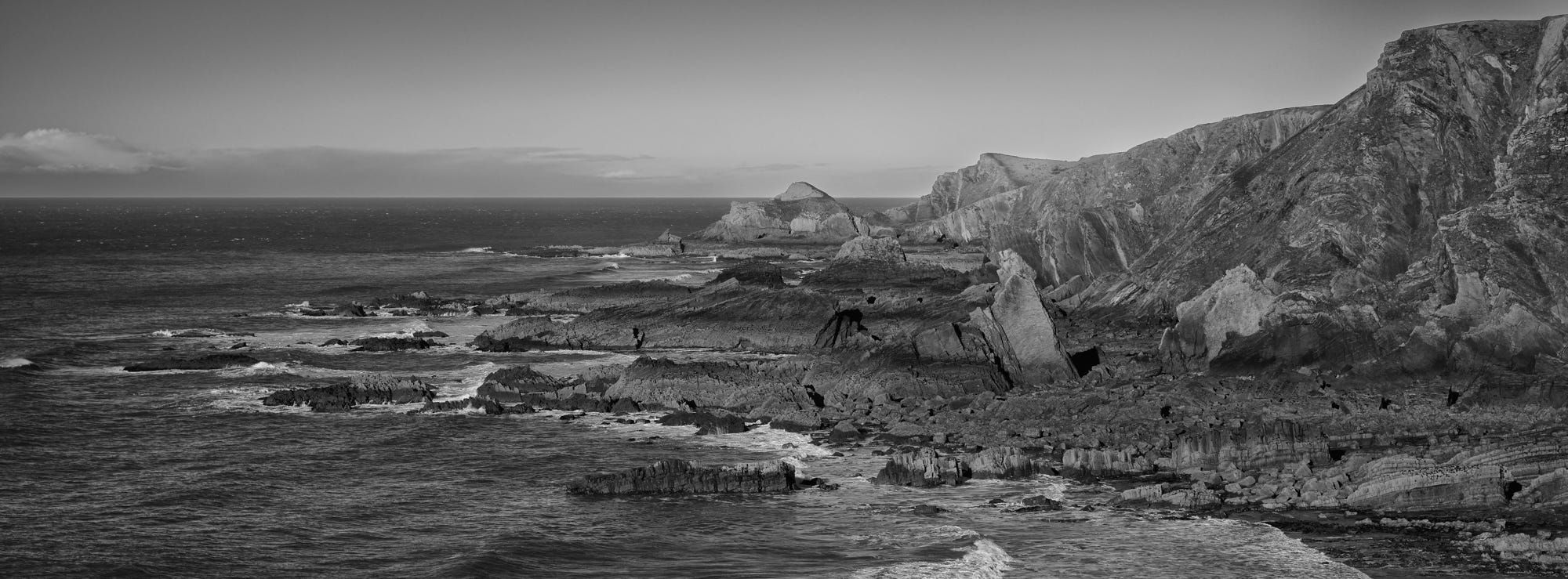
    Looking Eastward from Hartland Quay

    Coffee

    I like coffee; it’s one of my few vices. Booze is banned, and I shouldn’t be eating crisps, chips, or chocolate. The importance of a great cup of joe is amplified these days. My brew of choice is called “North Shore Blend.” A wonderful group of people in Lutsen, MN, roasts it. Their business is called Fika Coffee. Soon, they will expand into a new facility in Grand Marais, MN. I am excited to visit it. I buy directly from their coffee shop or online at Fika Coffee // Artisanal Coffee Roaster.