Author: christopher crowhurst

  • Six Months of Shifting Ground

    Six Months of Shifting Ground

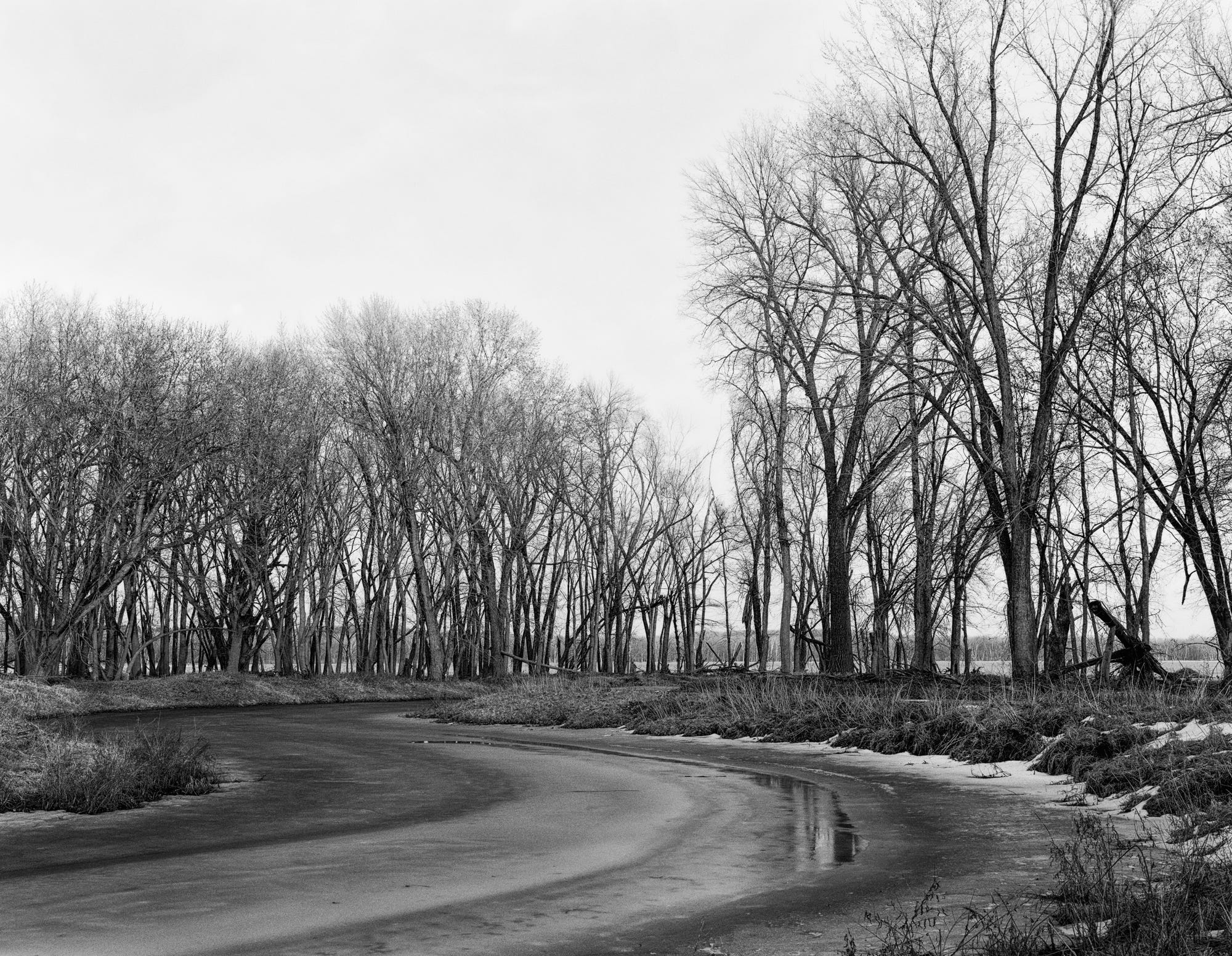
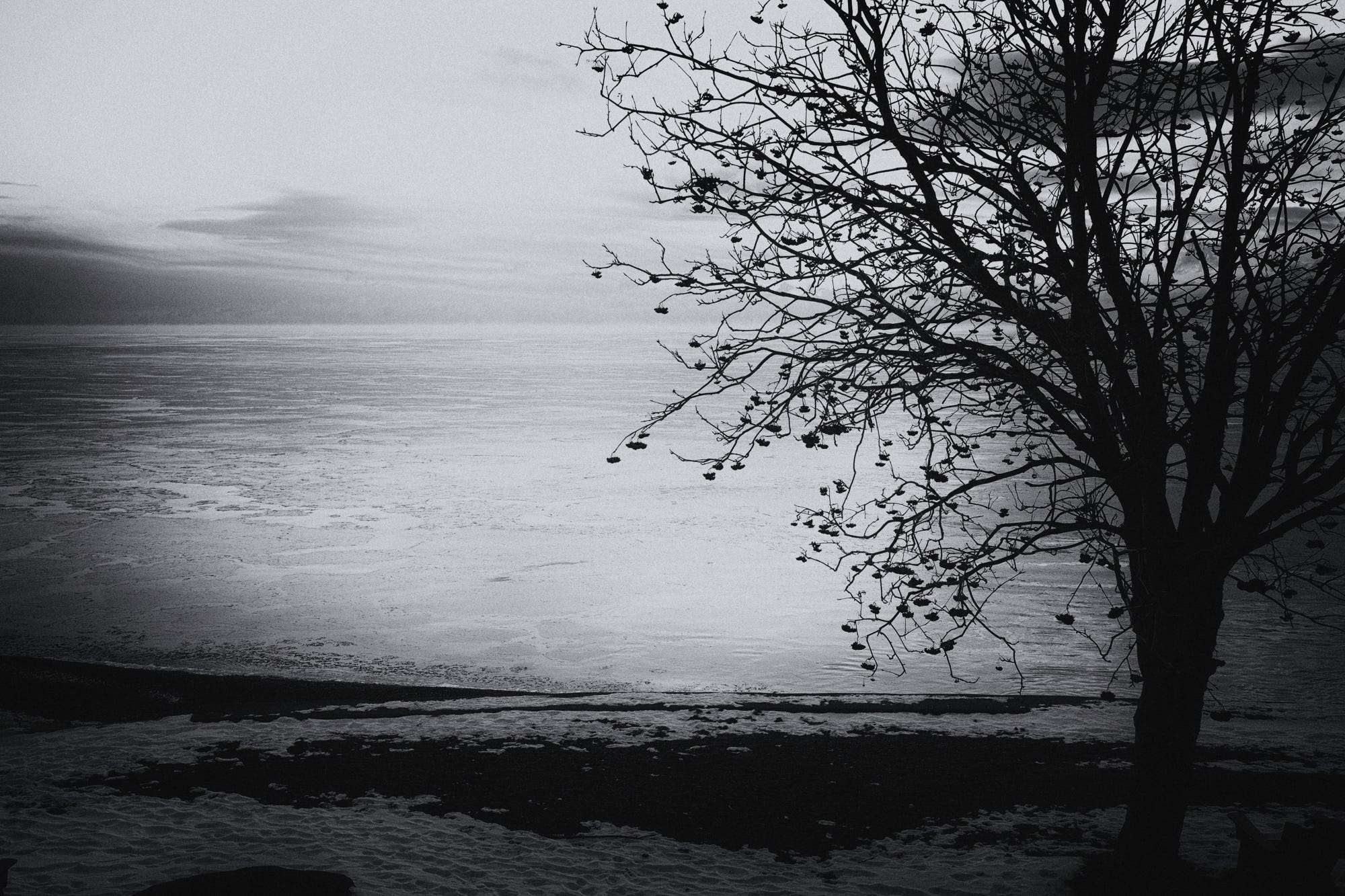
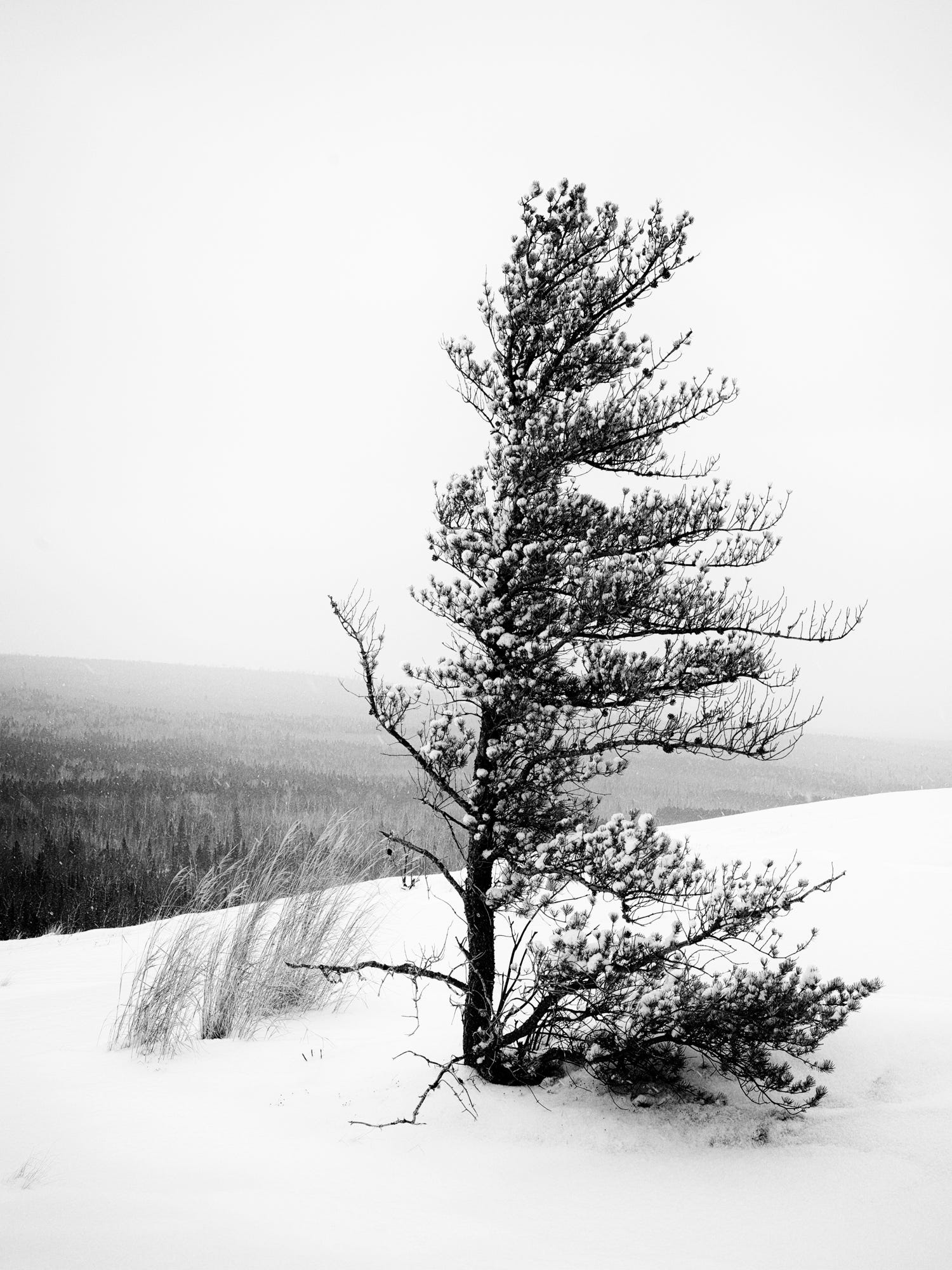
    The past six months have moved with the slow insistence of weather — a period where the ground kept rearranging itself beneath me, sometimes gently, sometimes with a weight that asked for more steadiness than I felt I had. What began as a focused push toward my MFA midpoint review became something far more layered: caregiving, travel, technical graft, family milestones, and the quiet work of tending to my own mind in a city that feels unsettled.

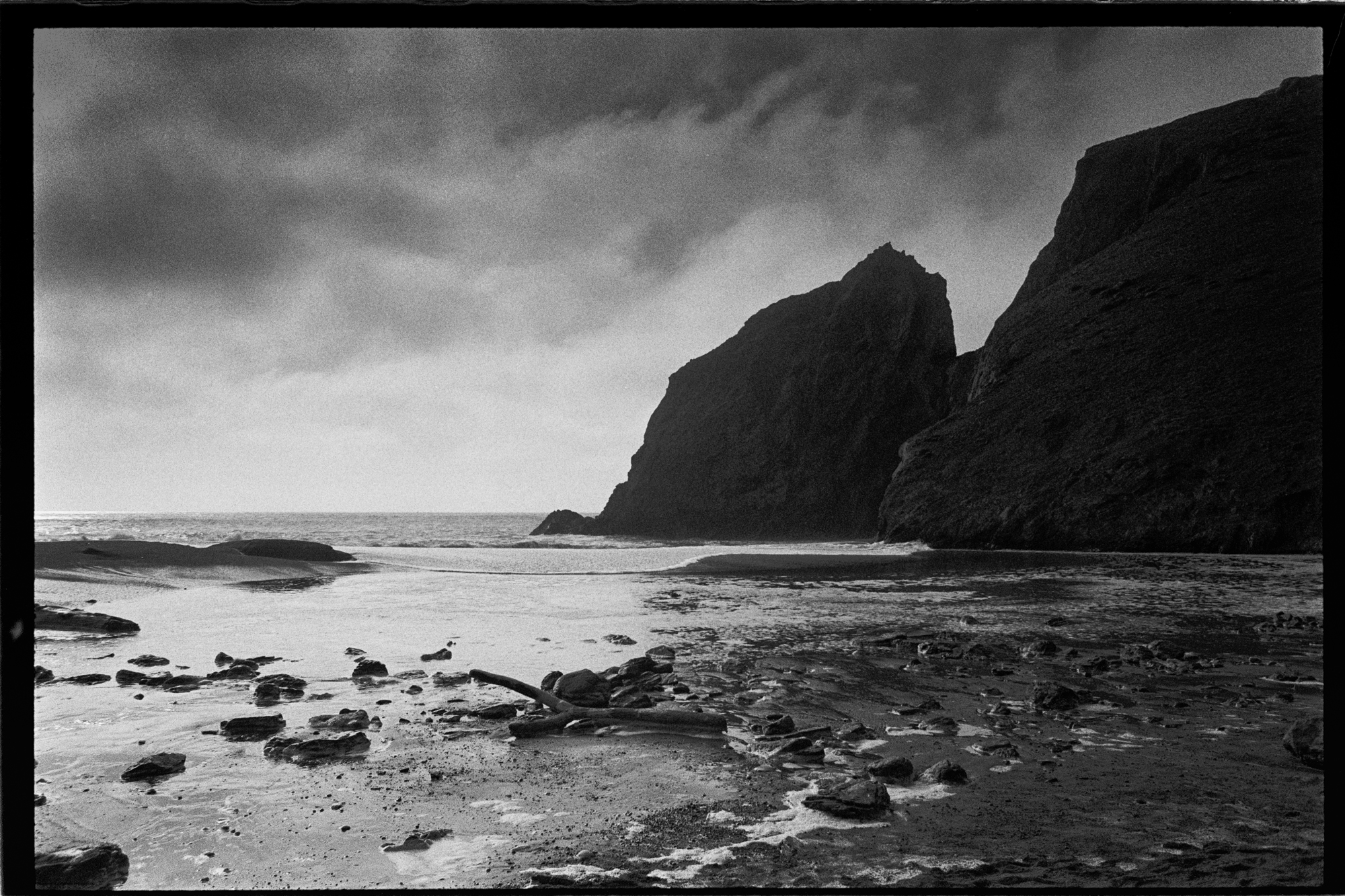
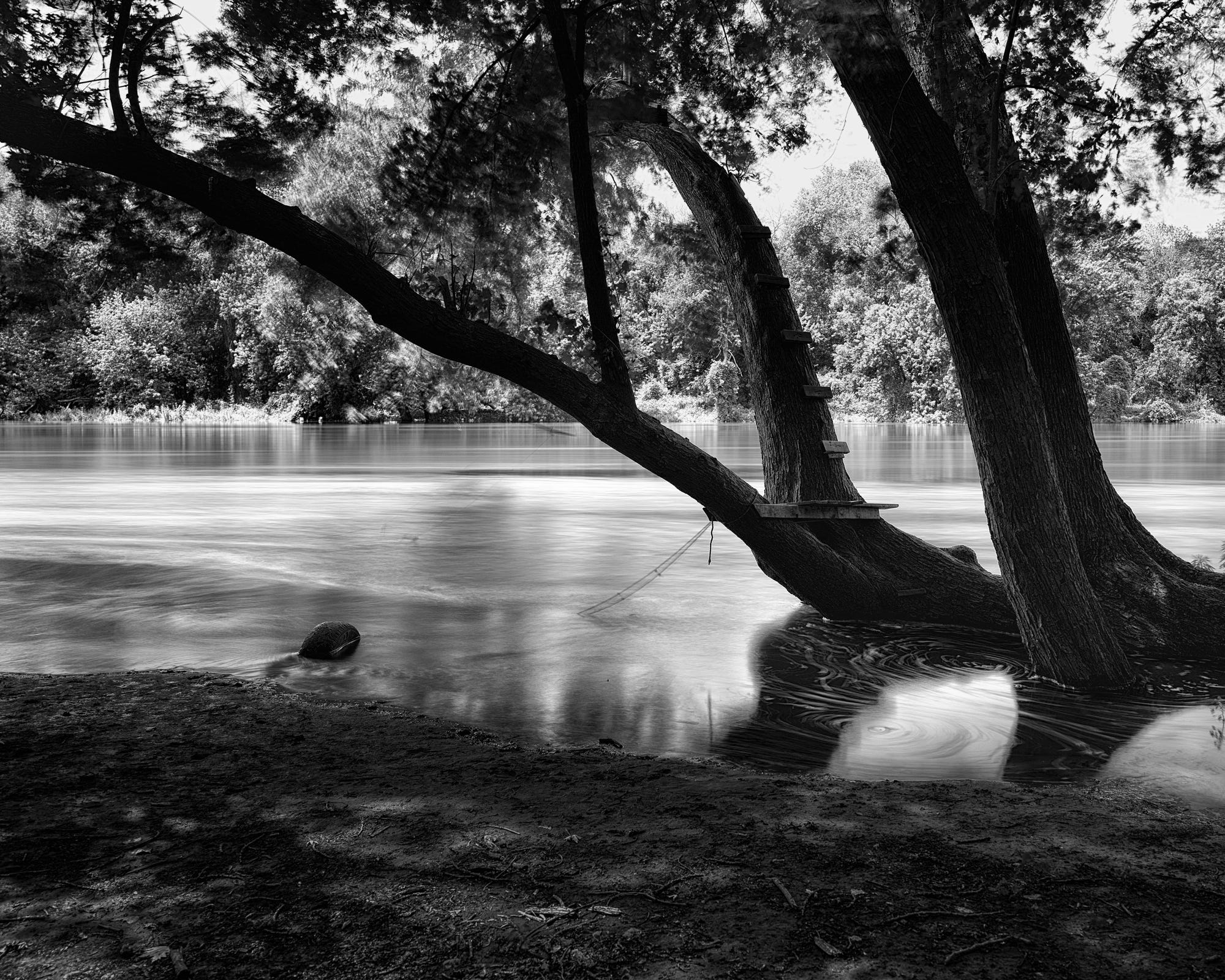
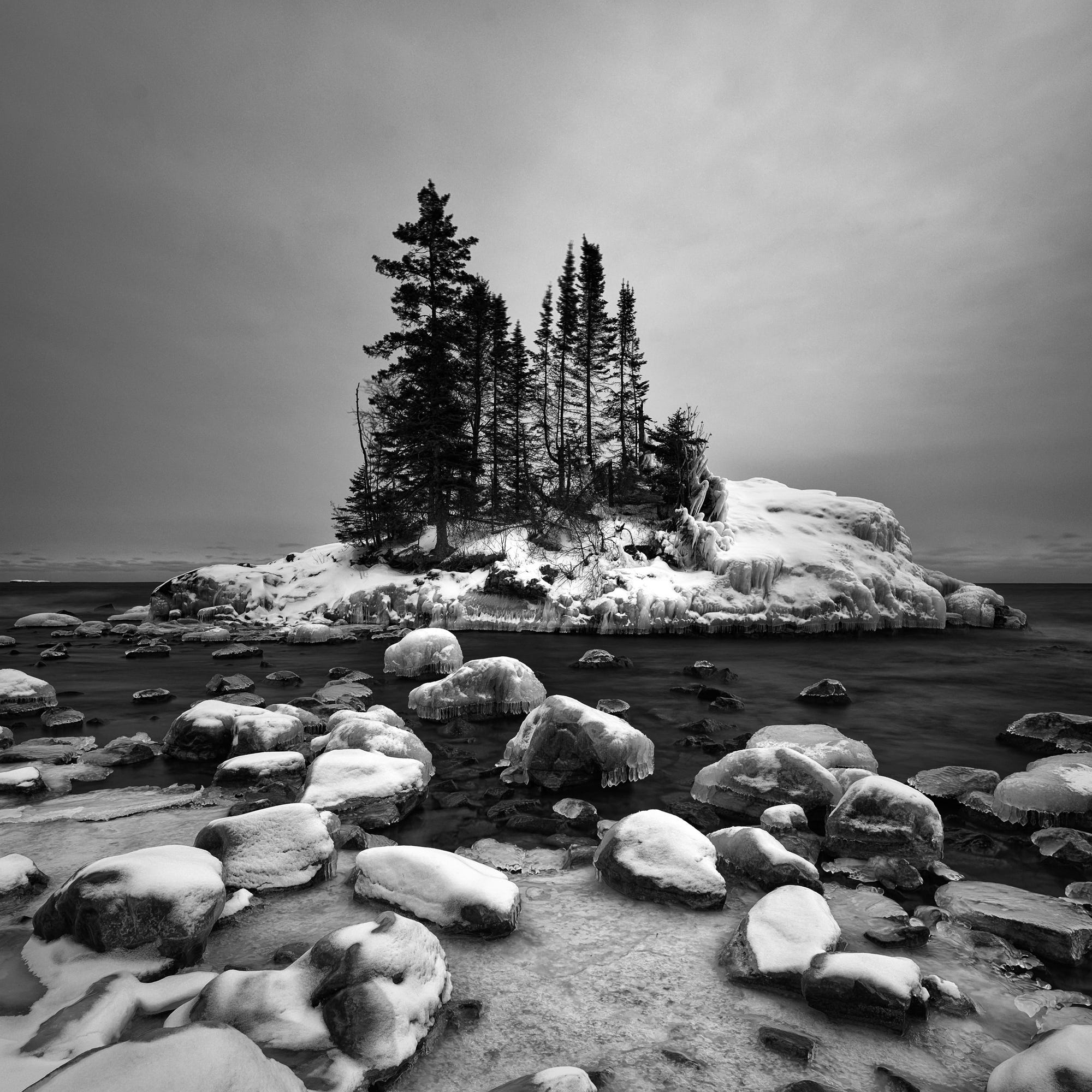
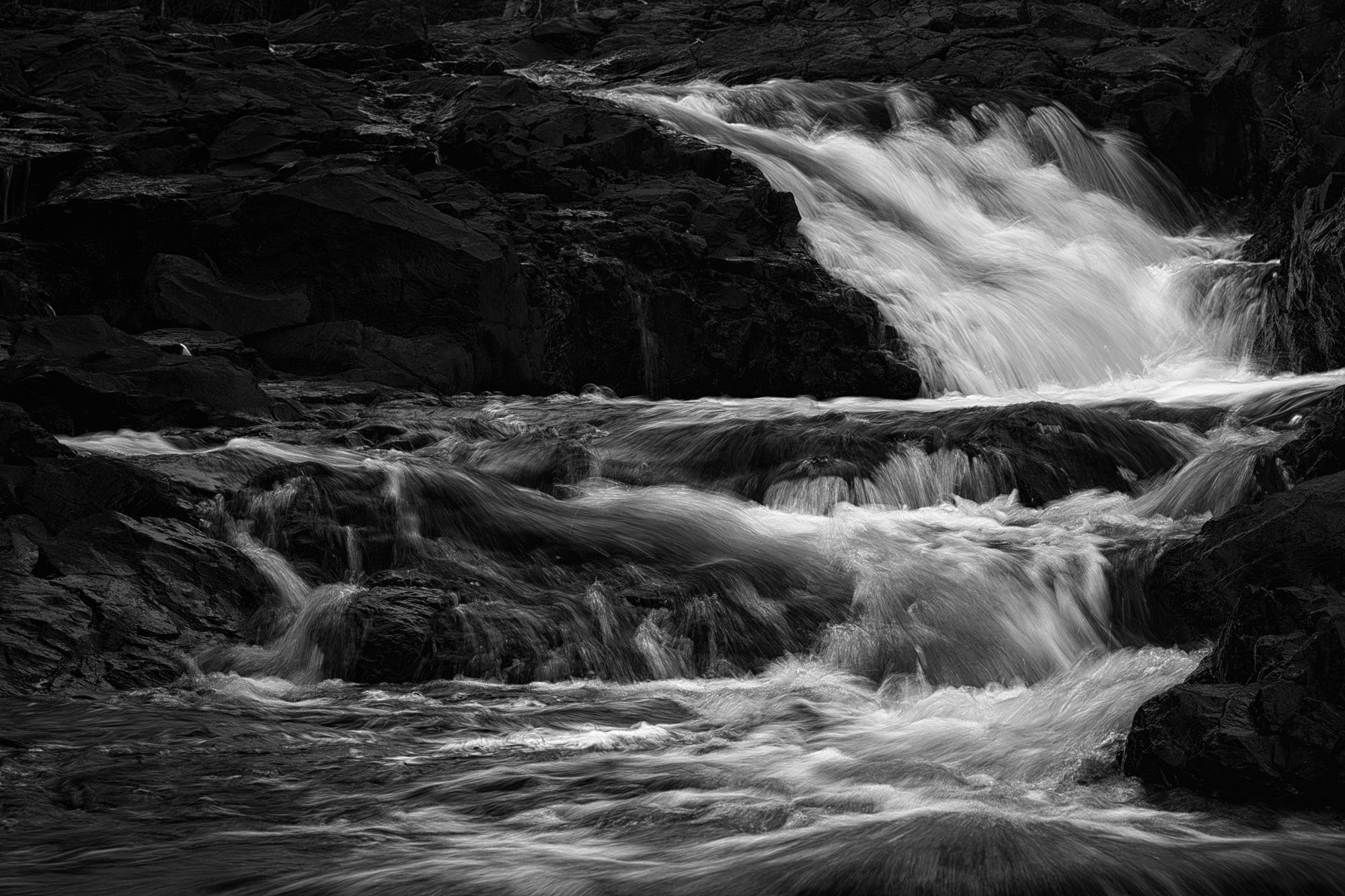
    Temperance River, Schroeder, Minnesota, October 2025.

    Much of my creative attention has been held by A Landscape Under Threat. Working with sediment — as material, metaphor, and a way of thinking — taught me to notice what accumulates, what erodes, and what shifts beneath the surface long before it becomes visible. It shaped not only the project, but the way I moved through these months: aware of layers, of pressure, of the stories that settle in the body.

    Life, of course, continued its own parallel narrative.

    There were trips back to the UK, days spent reconnecting with and caring for my parents, stepping into old rooms with a different kind of tenderness. Those journeys carried their own emotional sediment — the quiet weight of responsibility, the strange familiarity of returning, the reminder that love often looks like repetition.

    In the midst of all this, my daughter married. A moment that felt like a clearing in the middle of dense terrain. Watching her step into her future, gaining not just a son‑in‑law but a son, a widening of family — it grounded me in a way that still feels warm when I think about it. A brief, bright pause in an otherwise demanding season.

    At home, we began designing a new house. A place shaped by intention rather than inheritance. A place with a darkroom, naturally — not as an indulgence, but as an anchor. A room for slowness, for chemistry and light, for the tactile rituals that keep me connected to the work. Planning that space has been its own quiet act of hope.

    Meanwhile, the technical side of my practice asked for its usual devotion. I rebuilt my development workflow, upgraded my scanning equipment, and moved to the Stenopeika 4×5 — a camera that slows me down in all the right ways. I repaired both a transmission and a reflection densitometer, coaxing them back into precision. I linearised the transparency output of my Canon printer for digital negatives, then measured final prints by reflection, chasing tonal accuracy with the patience the craft demands.

    Threaded through all of this was the work of looking after my mental health. Minneapolis feels heavy at times — the political climate, the immigration enforcement actions happening right now, the sense of uncertainty that settles over neighbourhoods like a low, unbroken cloud. Some days, the noise of it all presses in, narrowing the horizon. I’ve had to learn, again and again, how to step back, how to breathe, how to protect the small, quiet spaces where my mind can settle. It isn’t always graceful, but it is necessary.

    And then came the midpoint review — the presentation, the interview, the strange mixture of vulnerability and resolve. Standing there, speaking for the work, I realised how much of these months had been about learning to trust myself amid shifting ground. The review wasn’t just an academic checkpoint; it was a marker of persistence, of staying with the work even when the world around me felt unsteady.

    Looking back now, the period feels like a sedimentary layer of its own: caregiving, travel, machines, landscapes, family, politics, fear, joy, and the quiet determination to keep building a life that feels intentional. A record of what it means to move through uncertainty with both hands open.

    The next chapter is already forming — a new home, an internship, a deepening of the work. But for now, I’m letting this layer settle. Letting it become part of the ground I’ll stand on next.

  • American Repercussion

    American Repercussion

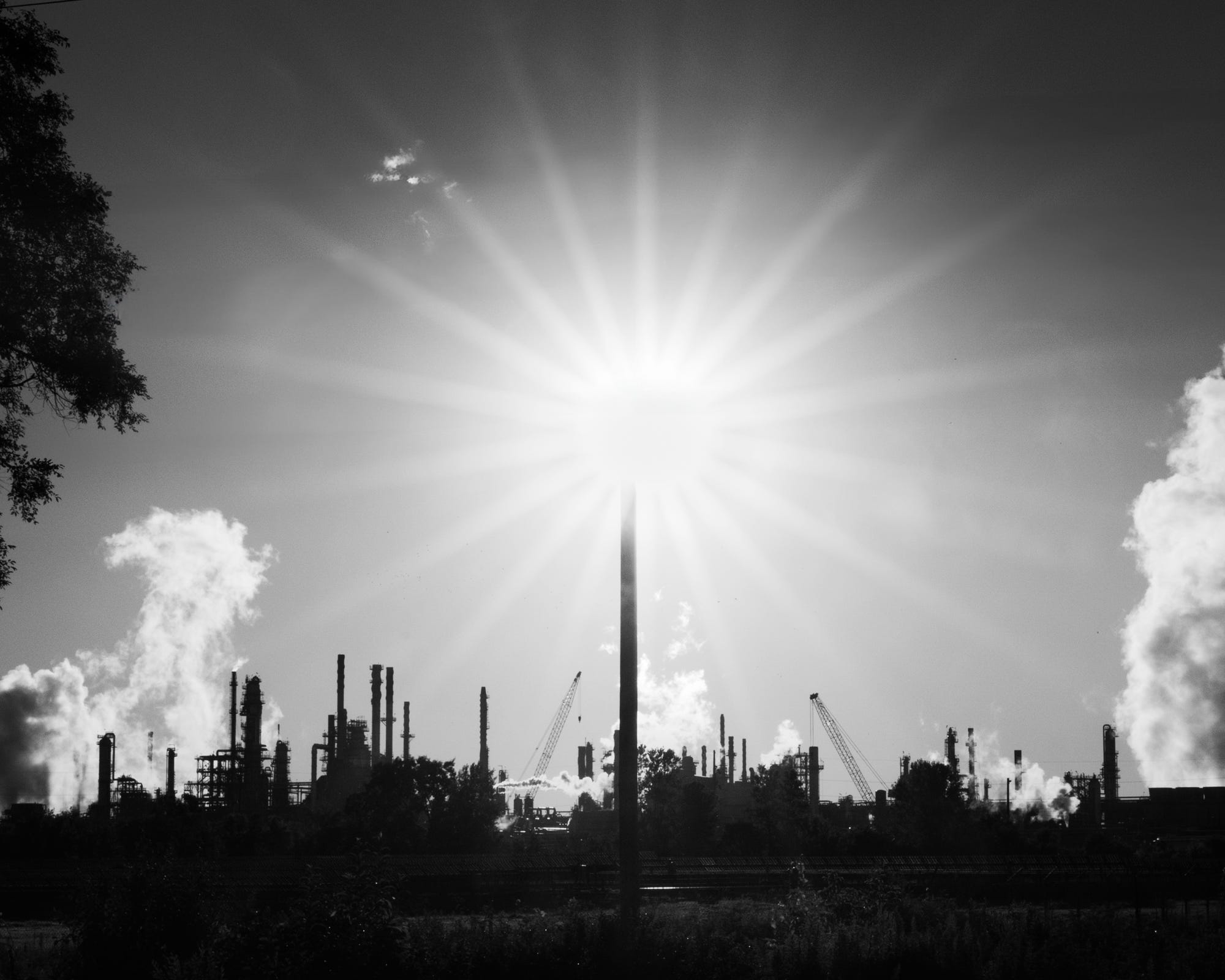
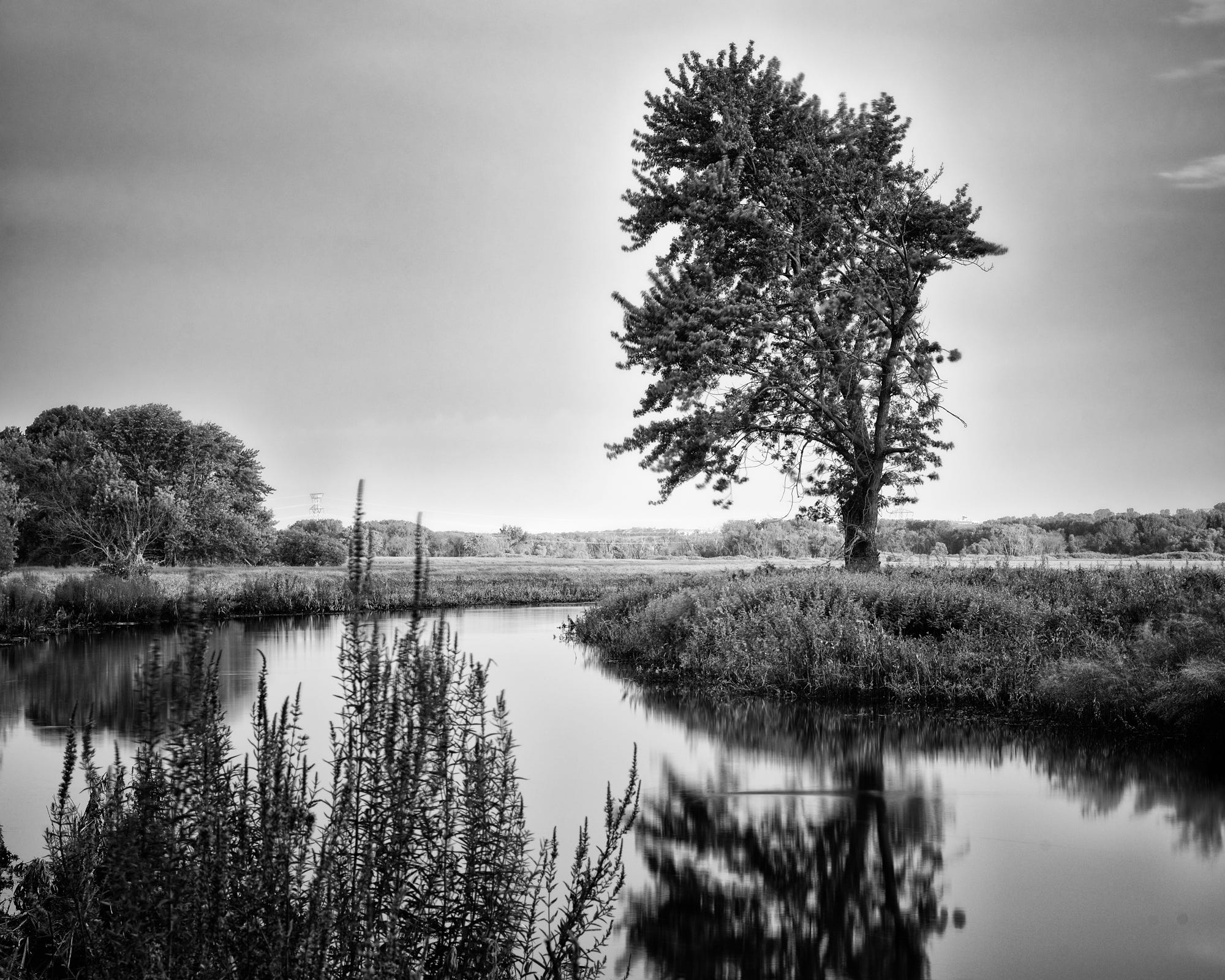
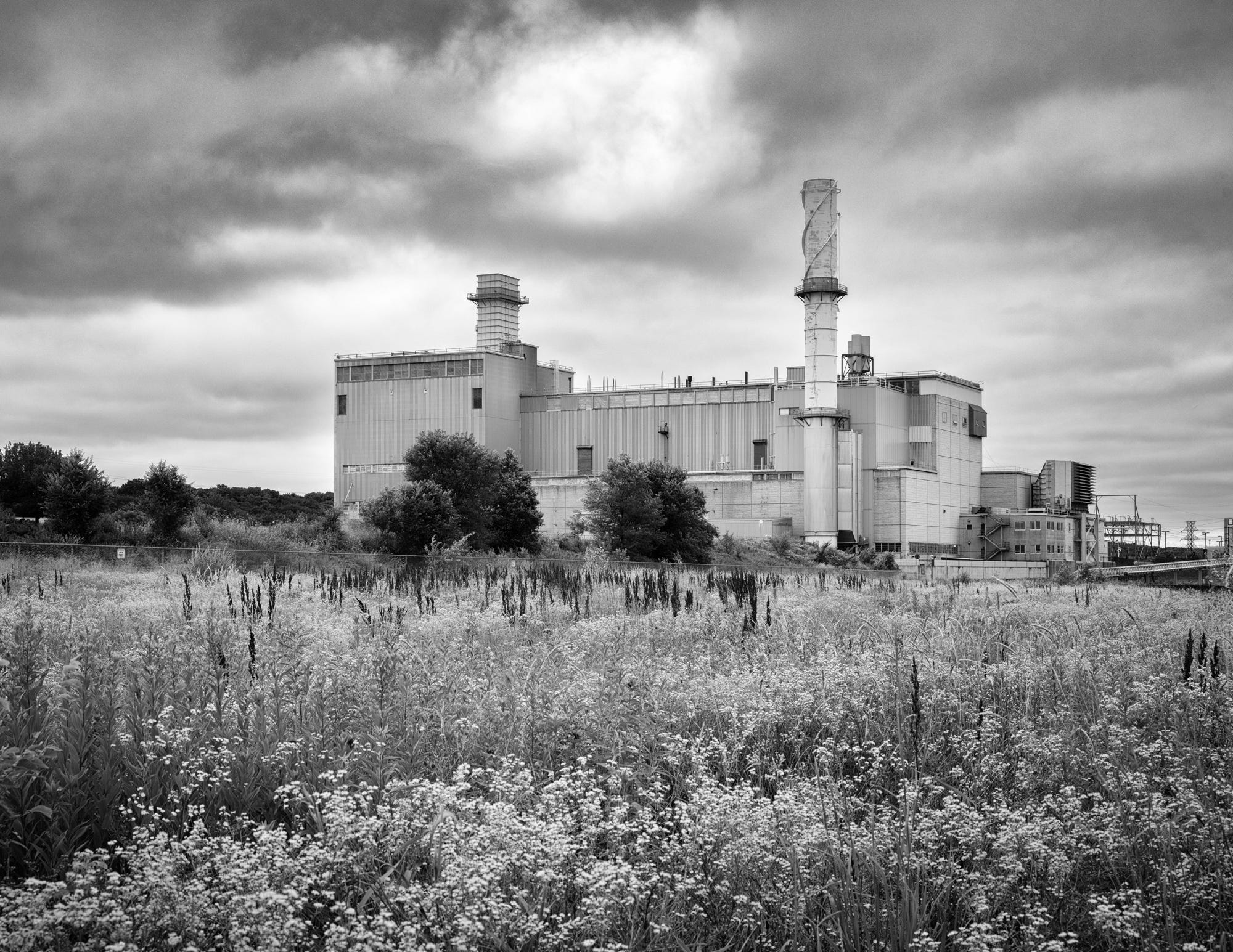
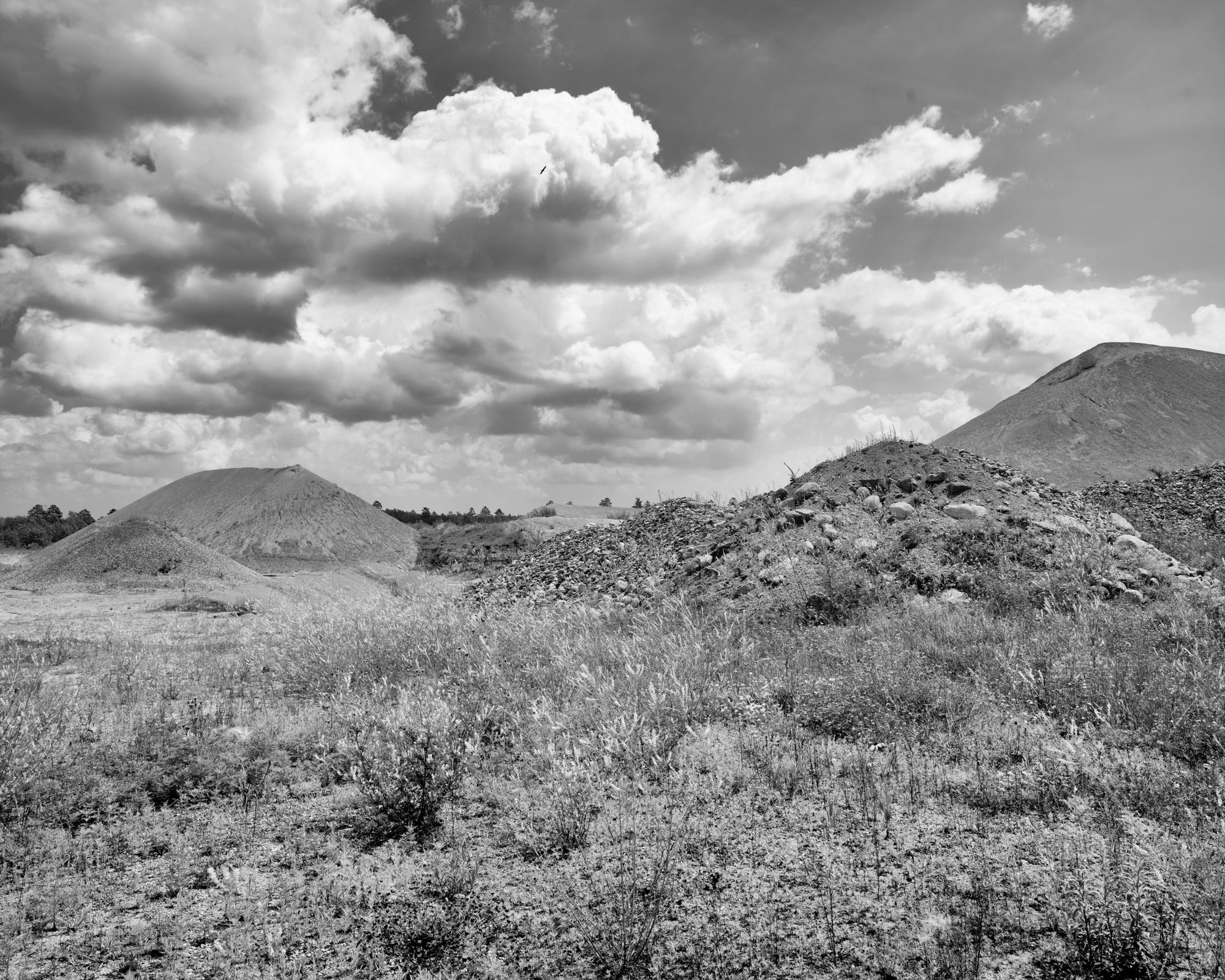
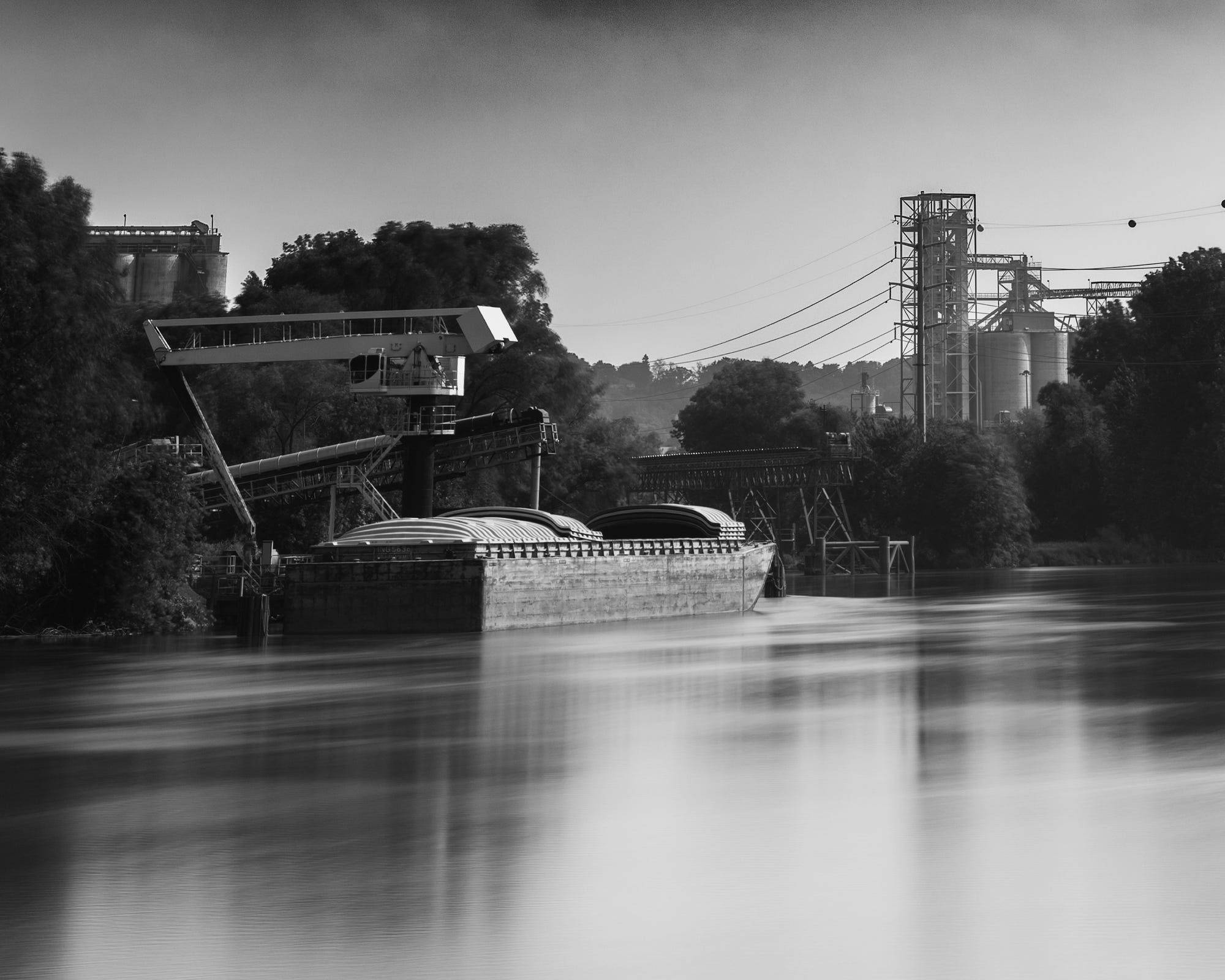
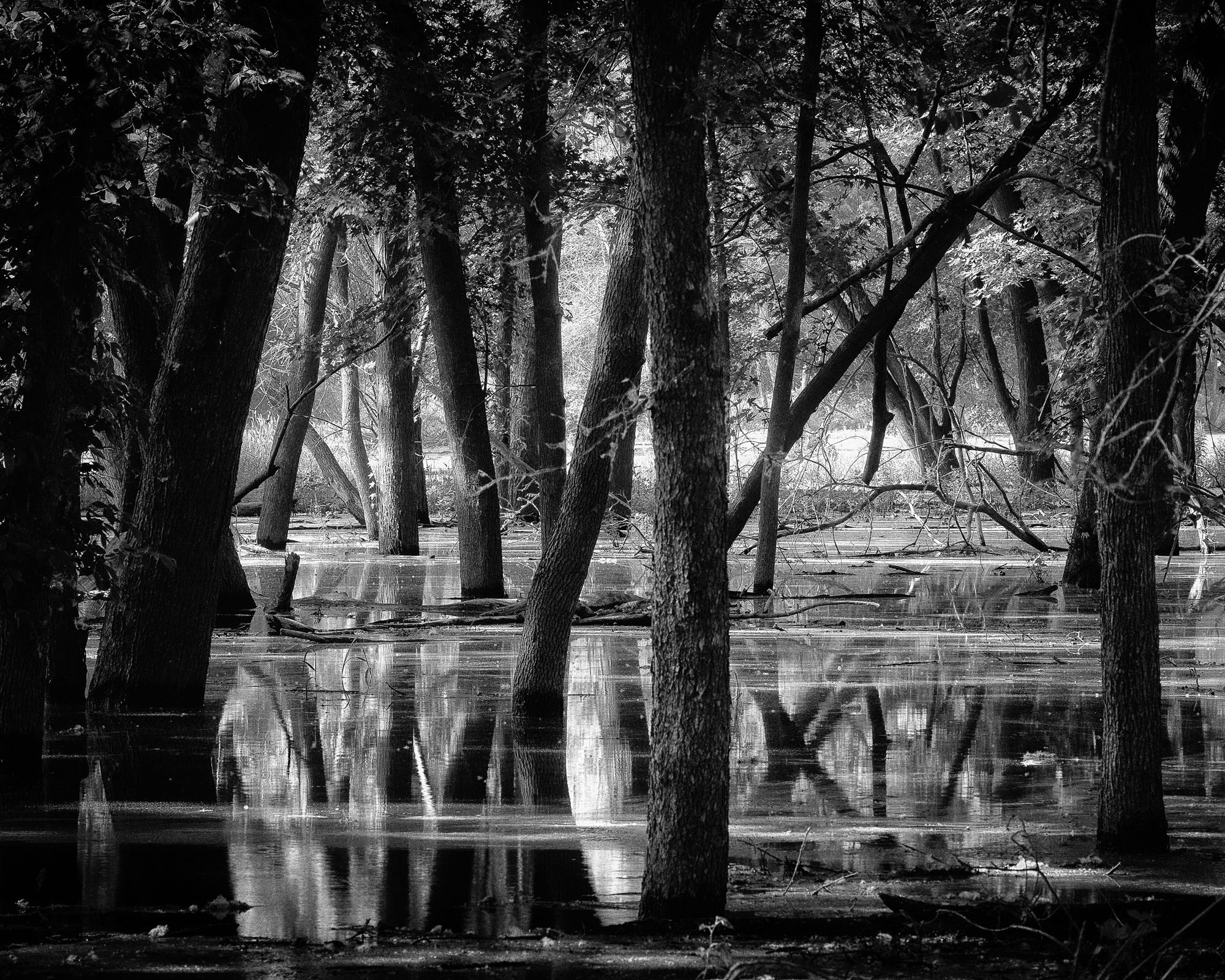
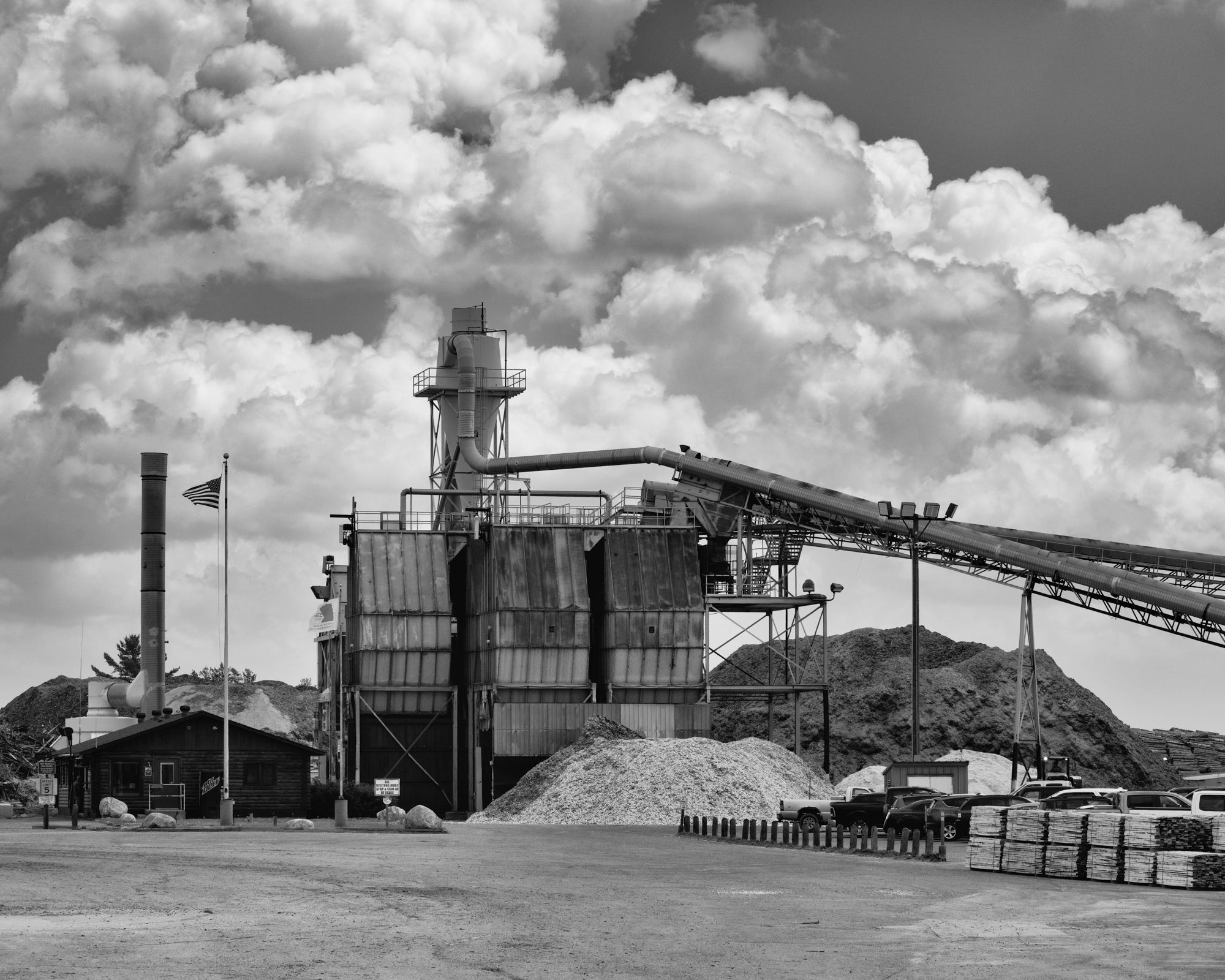
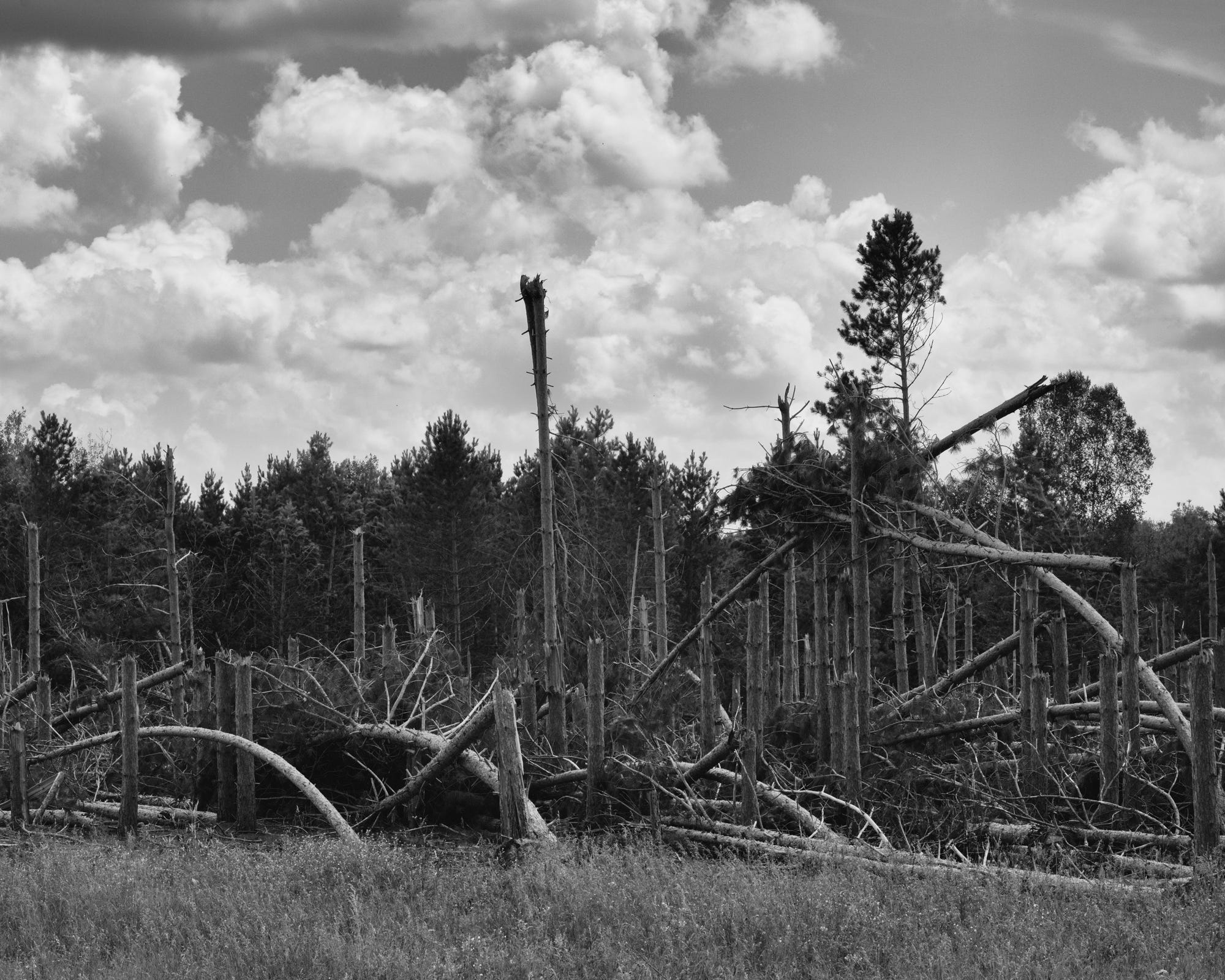
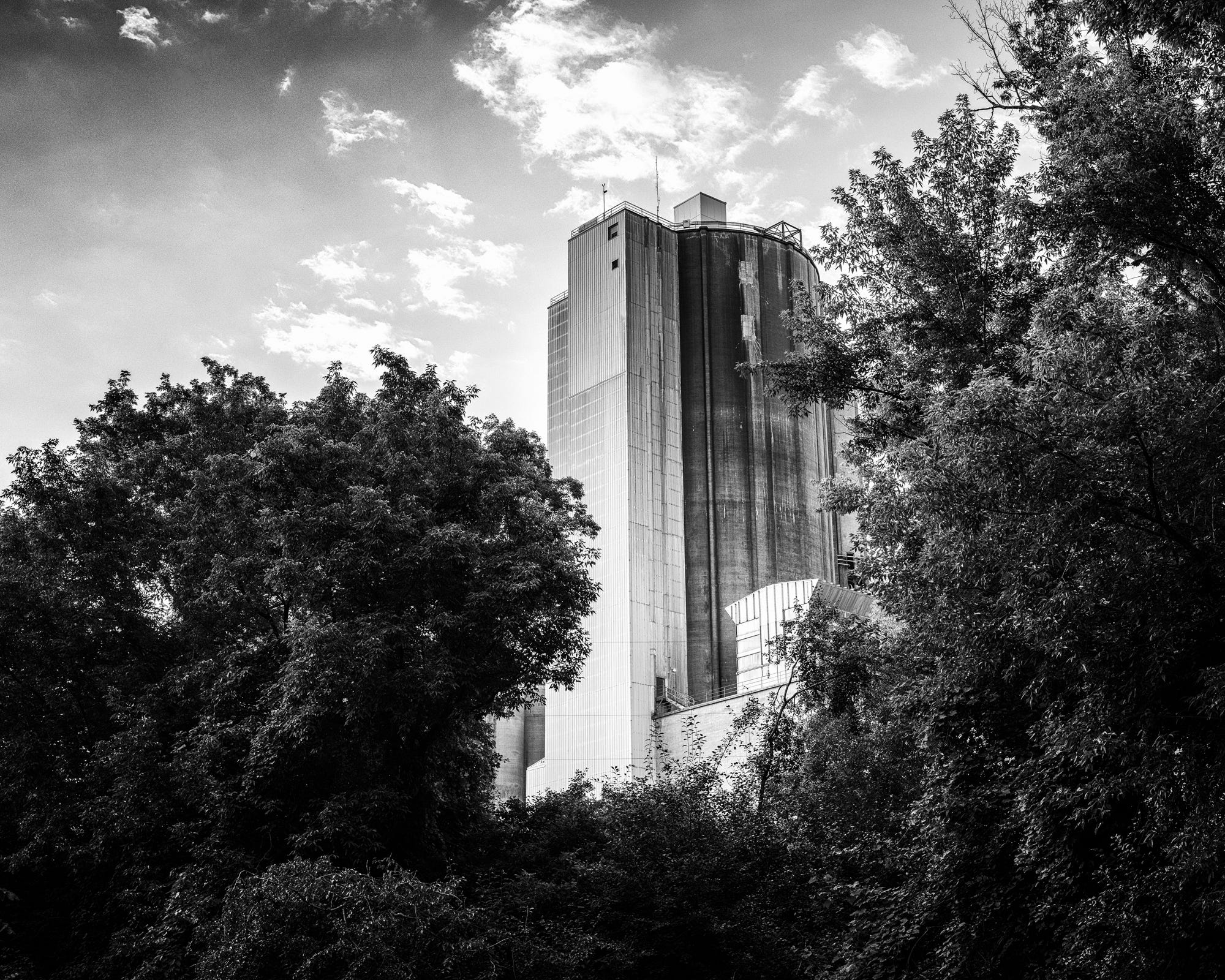
    We are harvesting the generational impact of what was planted by our elders. How we respond to the consequences of Progress will determine the future of the environment that sustains us. These photographs were taken in the summer of 2025 in Minnesota. Their subjects include rivers, forests, and urban landscapes; splendour and disarray. They are simultaneously about the geography of the Midwest, the role of industrialisation, and the crisis of our time: climate change.

    1. Pine Bend Refinery, Rosemount, Minnesota, 2025.

    2. Minnesota River Valley National Wildlife Refuge, Shakopee, Minnesota, 2025.

    3. Black Dog Power Station, Burnsville, Minnesota, 2025.

    4. Spoil tips, Midge Lake, Minnesota, 2025.

    5. Consolidated Grain and Barge Co. Savage, Minnesota, 2025.

    6. Minnesota Valley State Trail, Shakopee, Minnesota, 2025.

    7. Lumber Mill, Farden Township, Minnesota, 2025.

    8. Grant Valley, Bemidji, Minnesota, 2025.

    9. Rahr Malthouse, Shakopee, Minnesota, 2025.

    10. Minnesota River, Bloomington Ferry, Minnesota, 2025.

    These photographs were submitted as a project for my Master of Arts in Photography at the Academy of Art University in San Francisco.

    All photographs were made using a Nikon Z7ii, NIKKOR Z 24-120mm f/4 S Lens, and Kase Revolution CPL, ND 8, 64, and 1000 filters.

  • Reconnection

    Reconnection

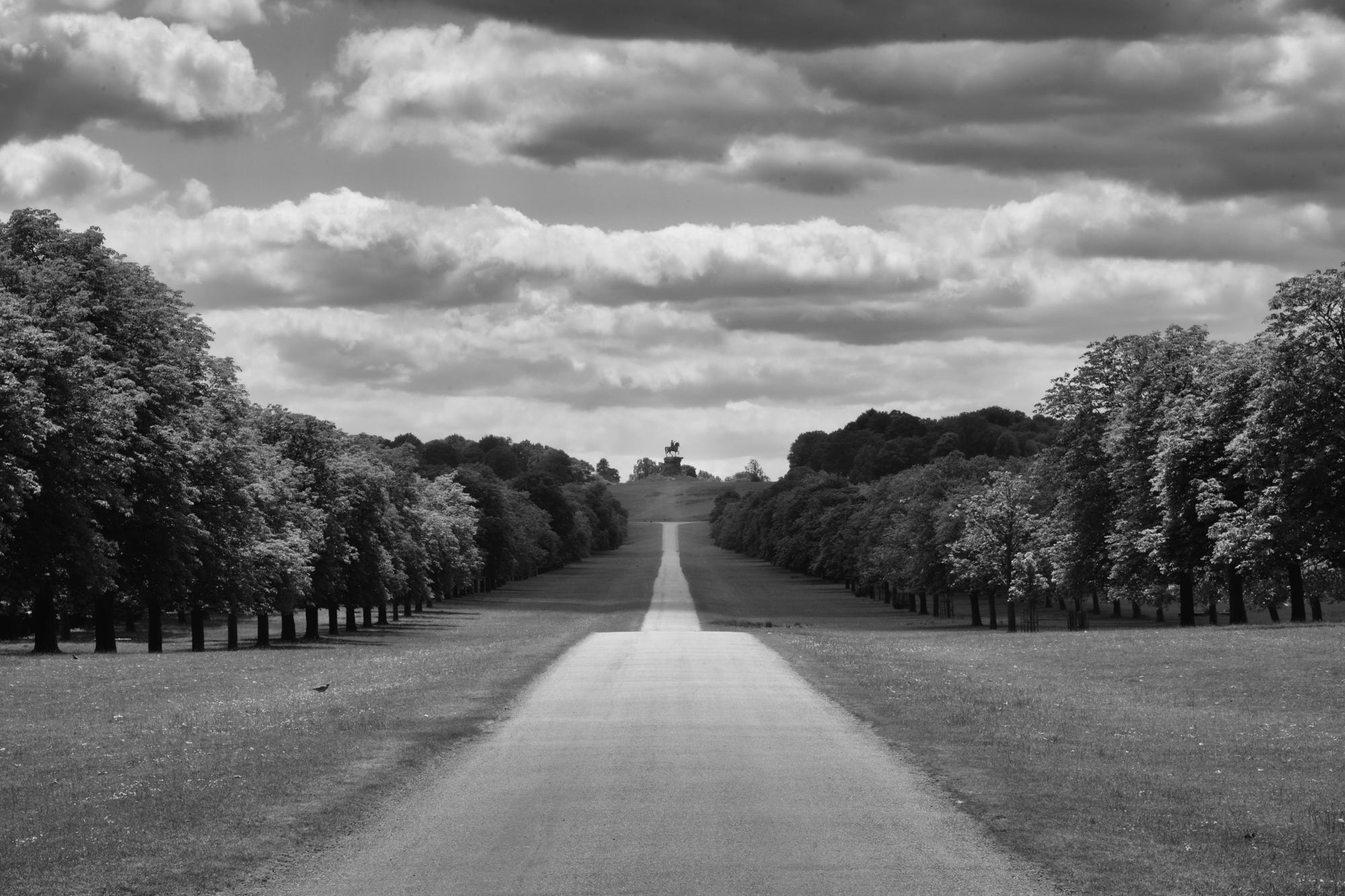
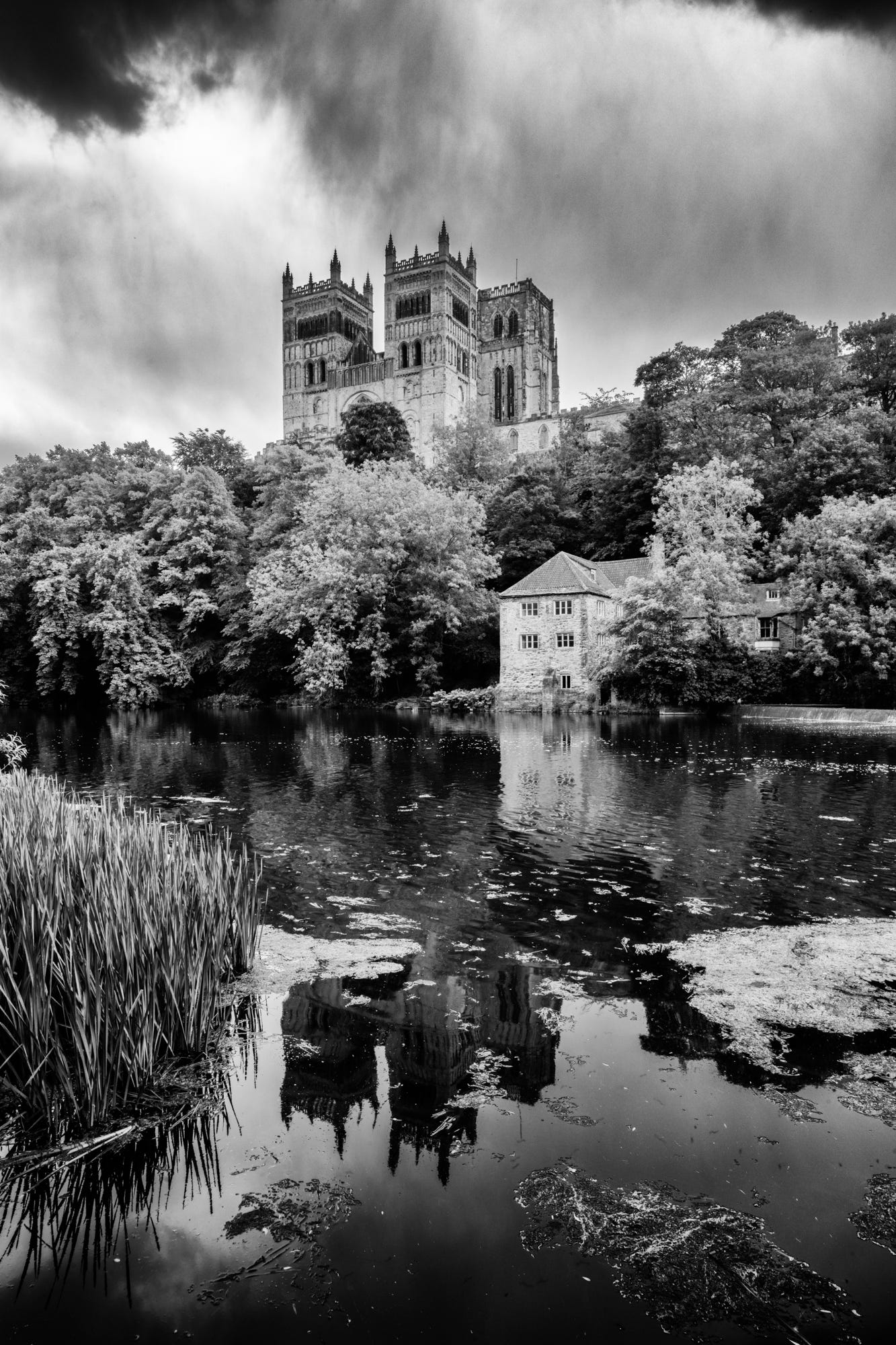
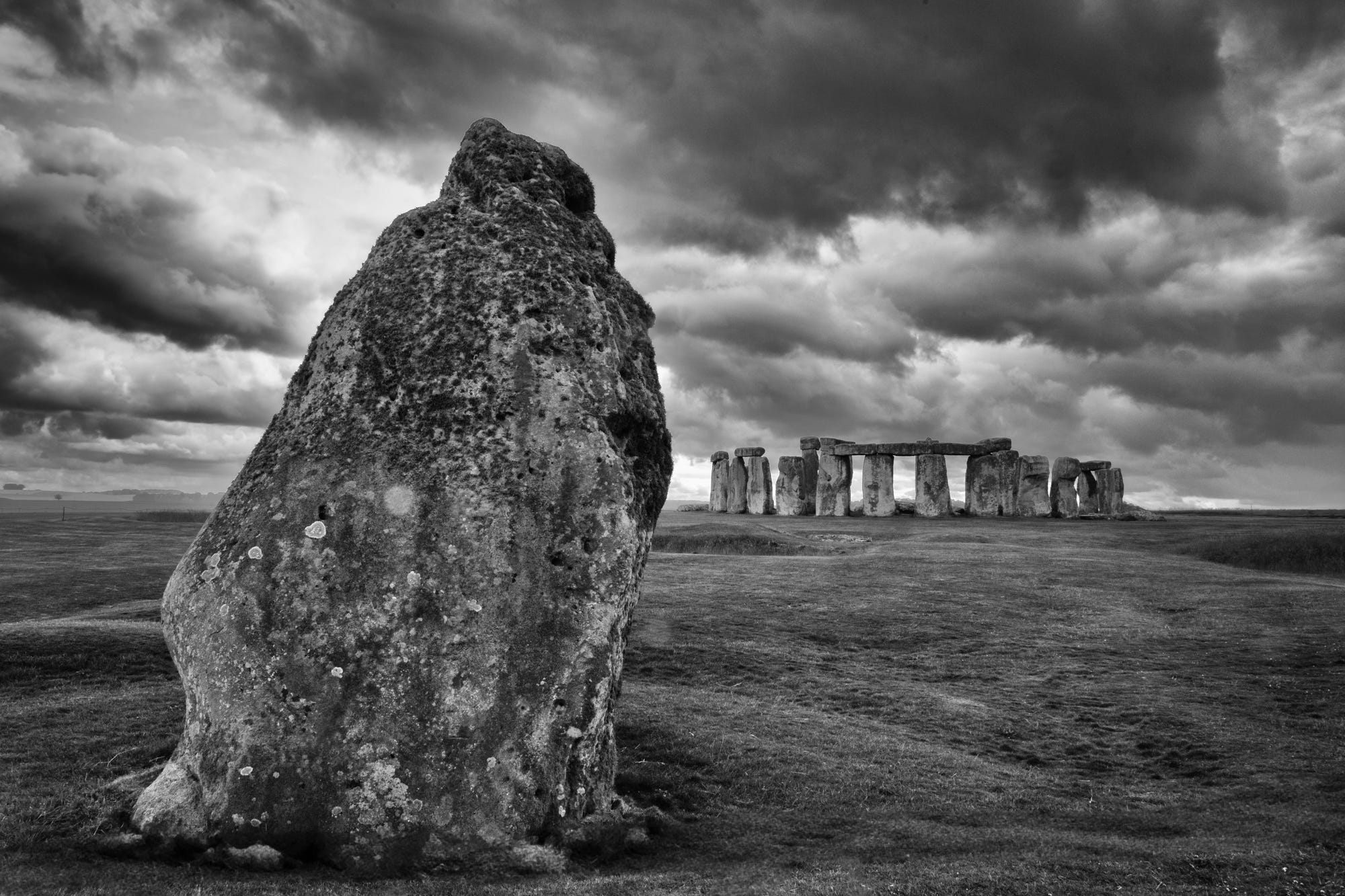
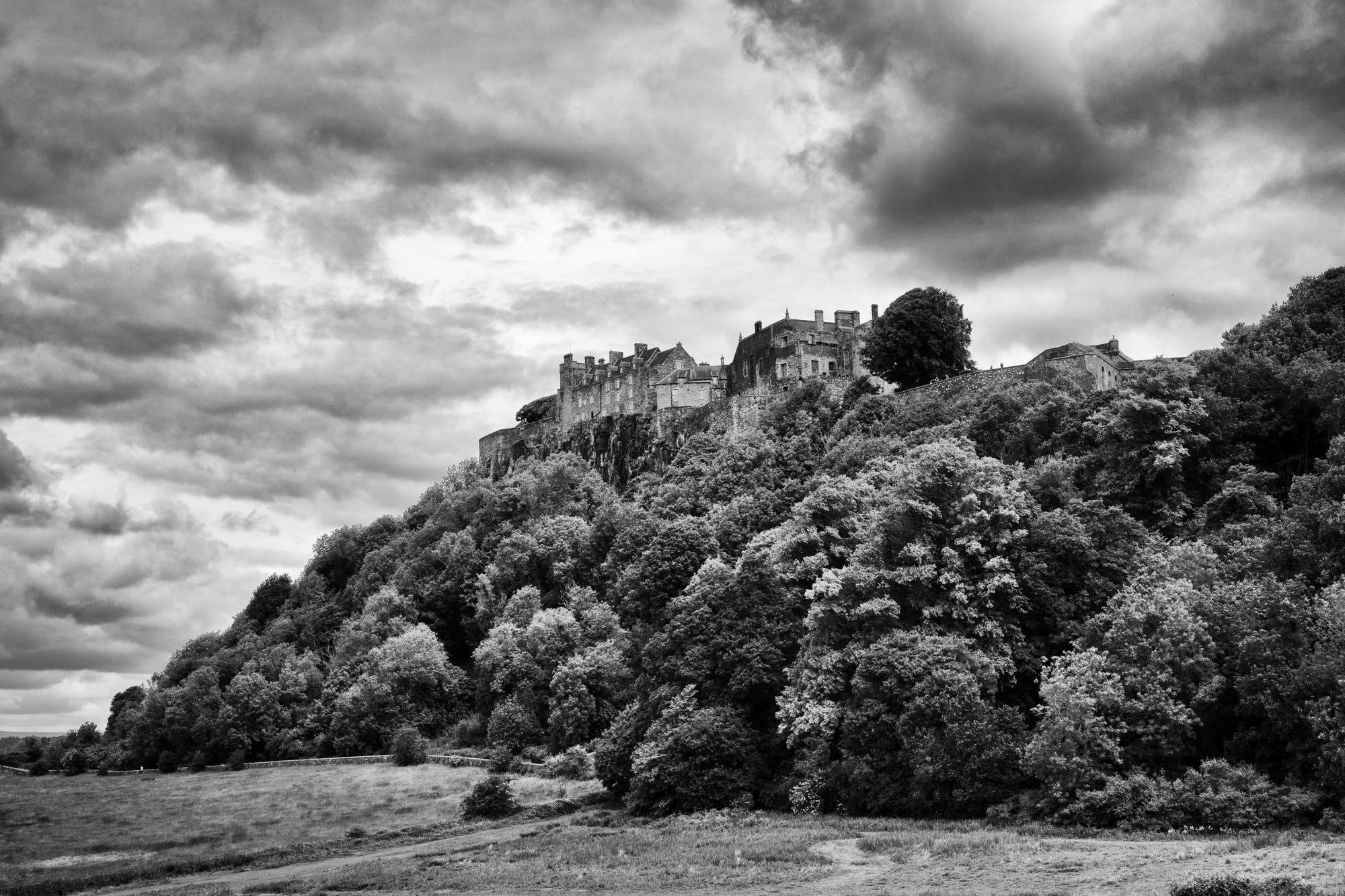
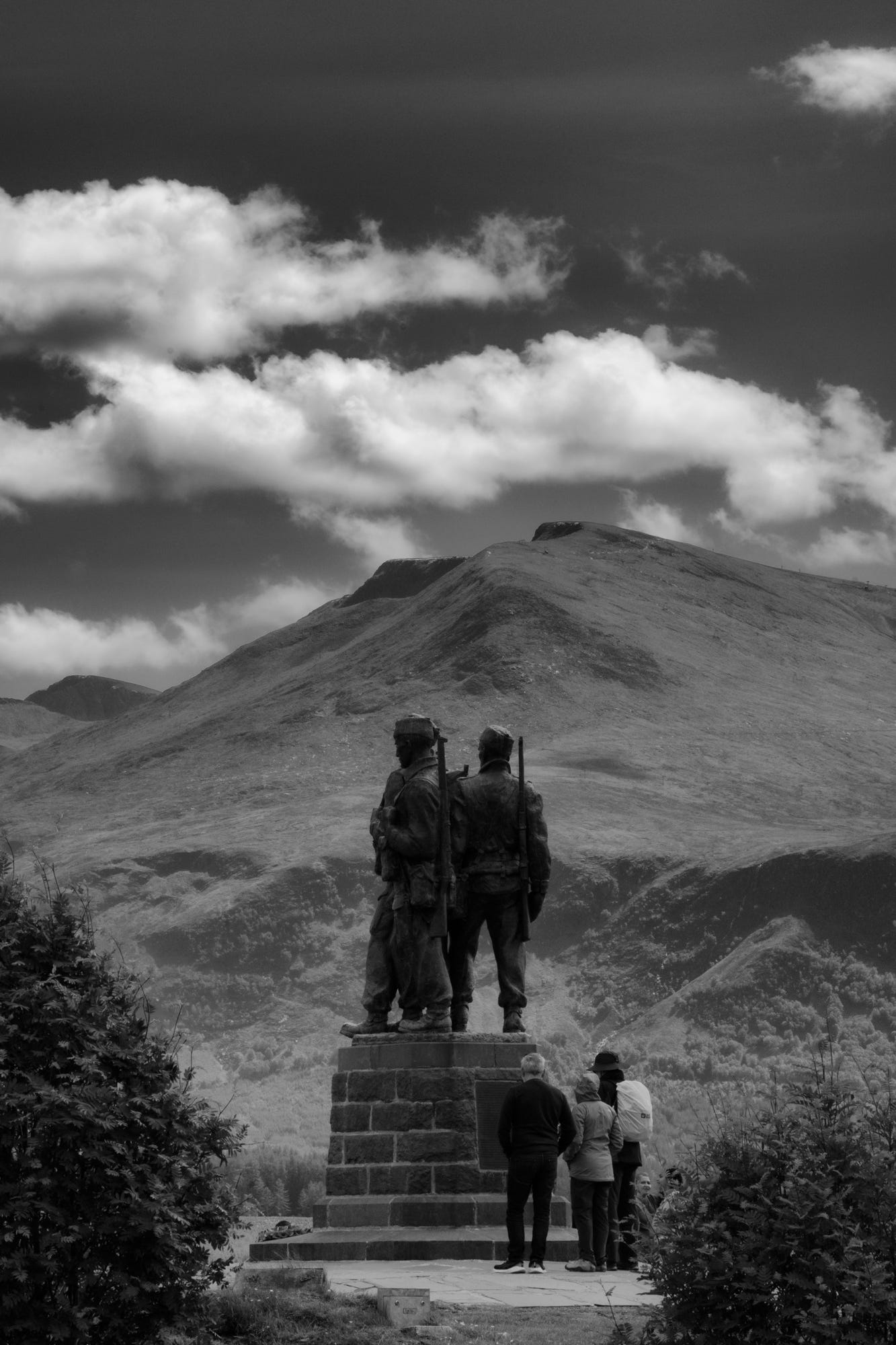
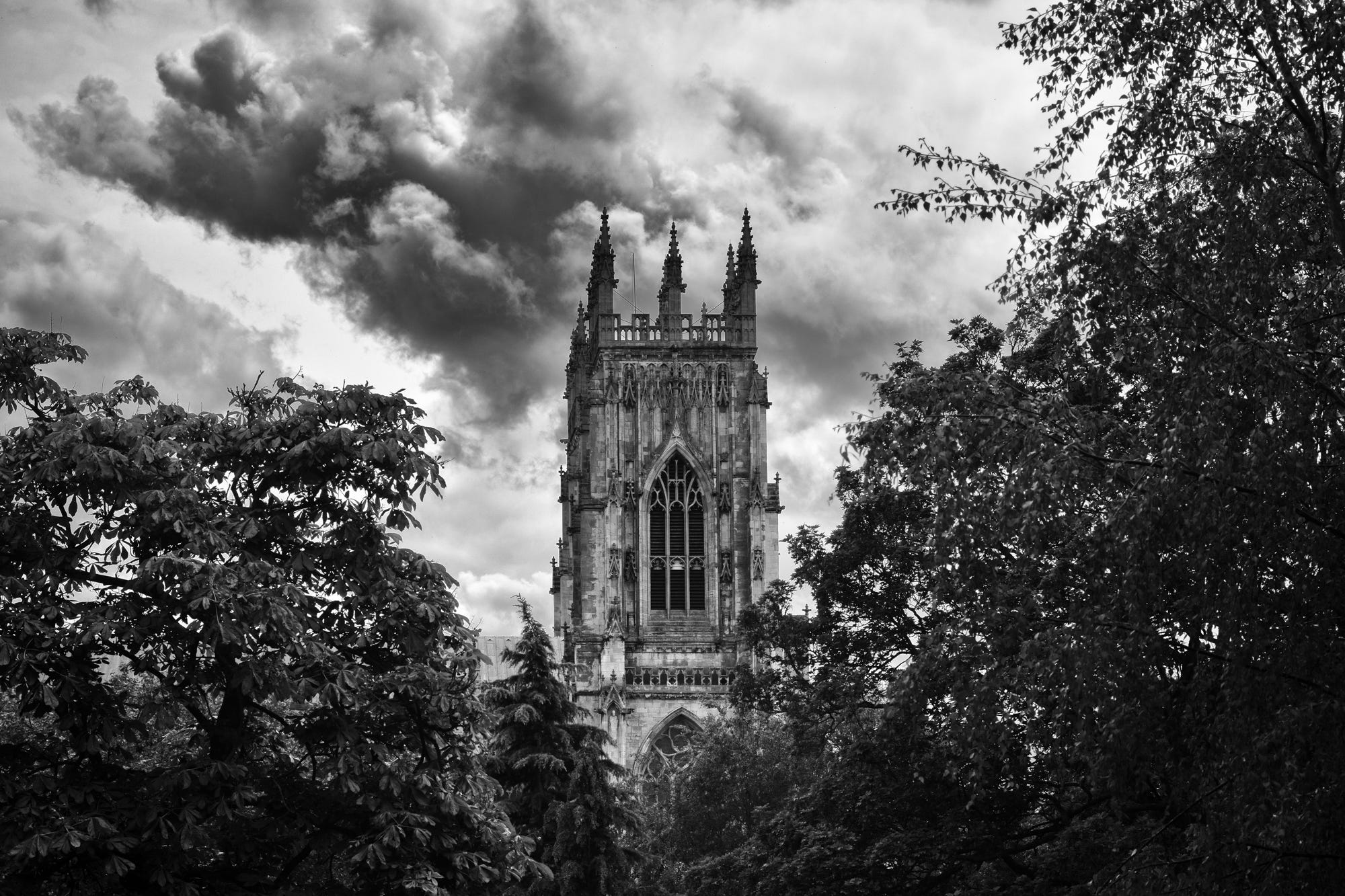
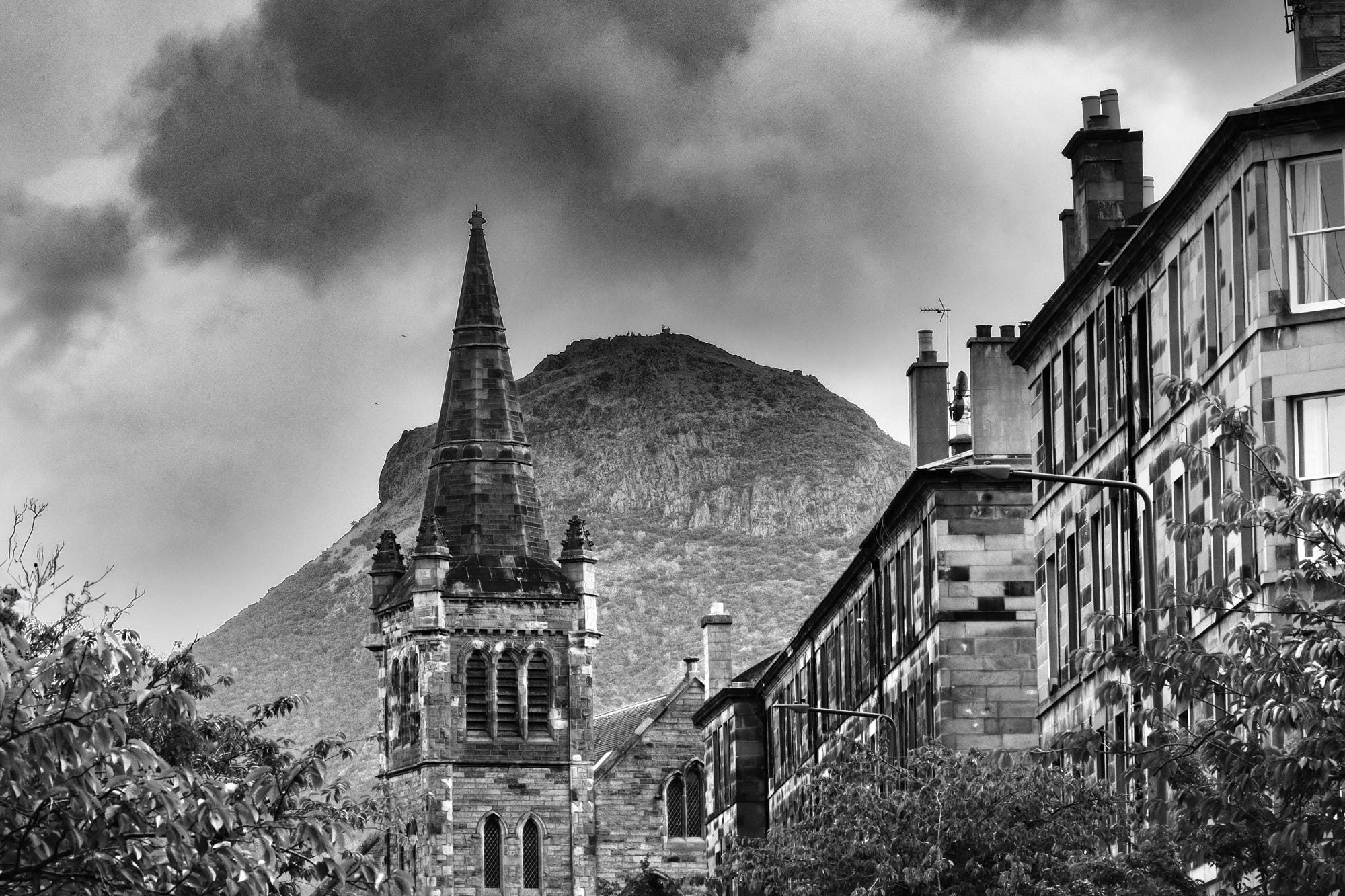
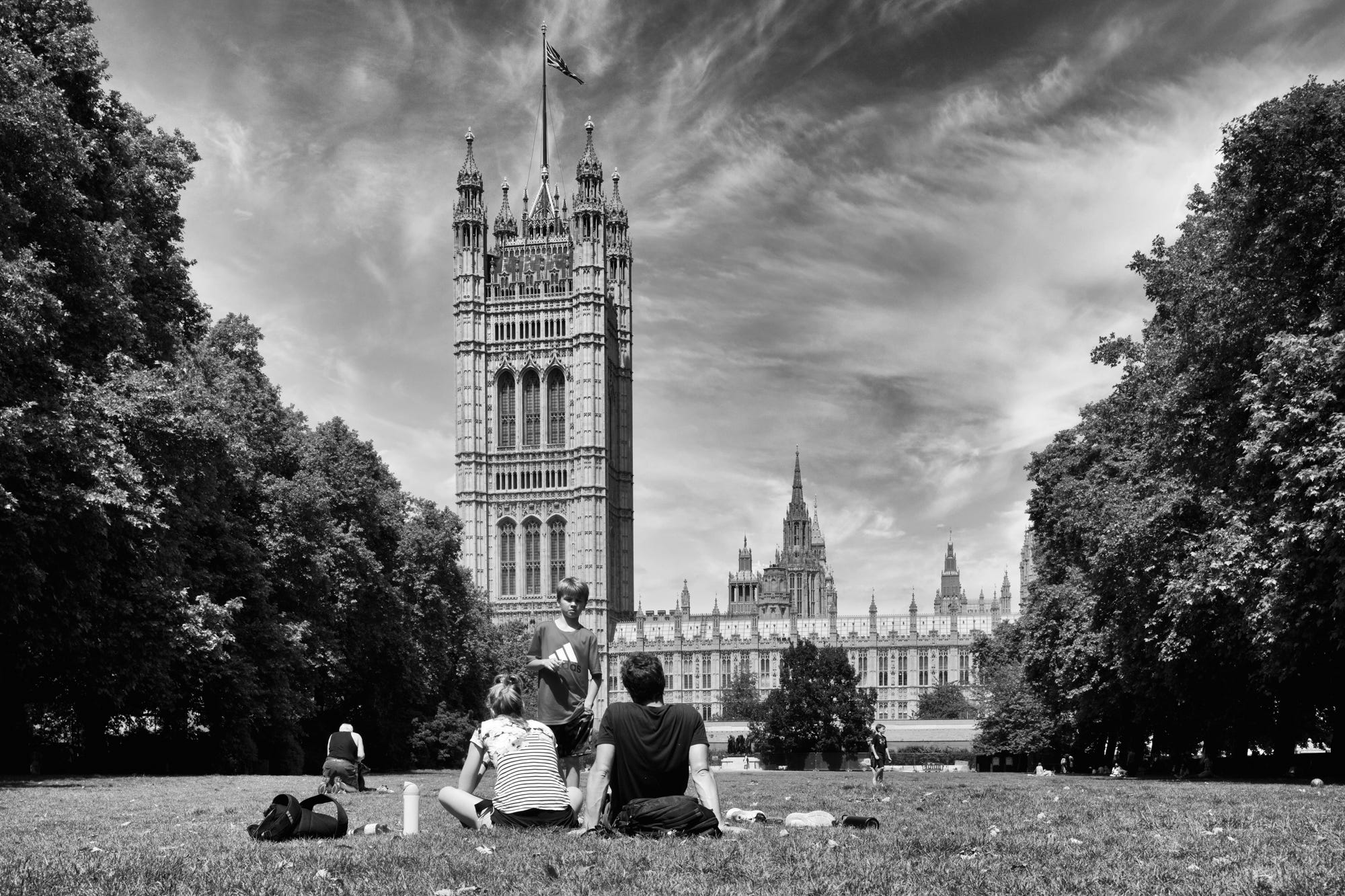
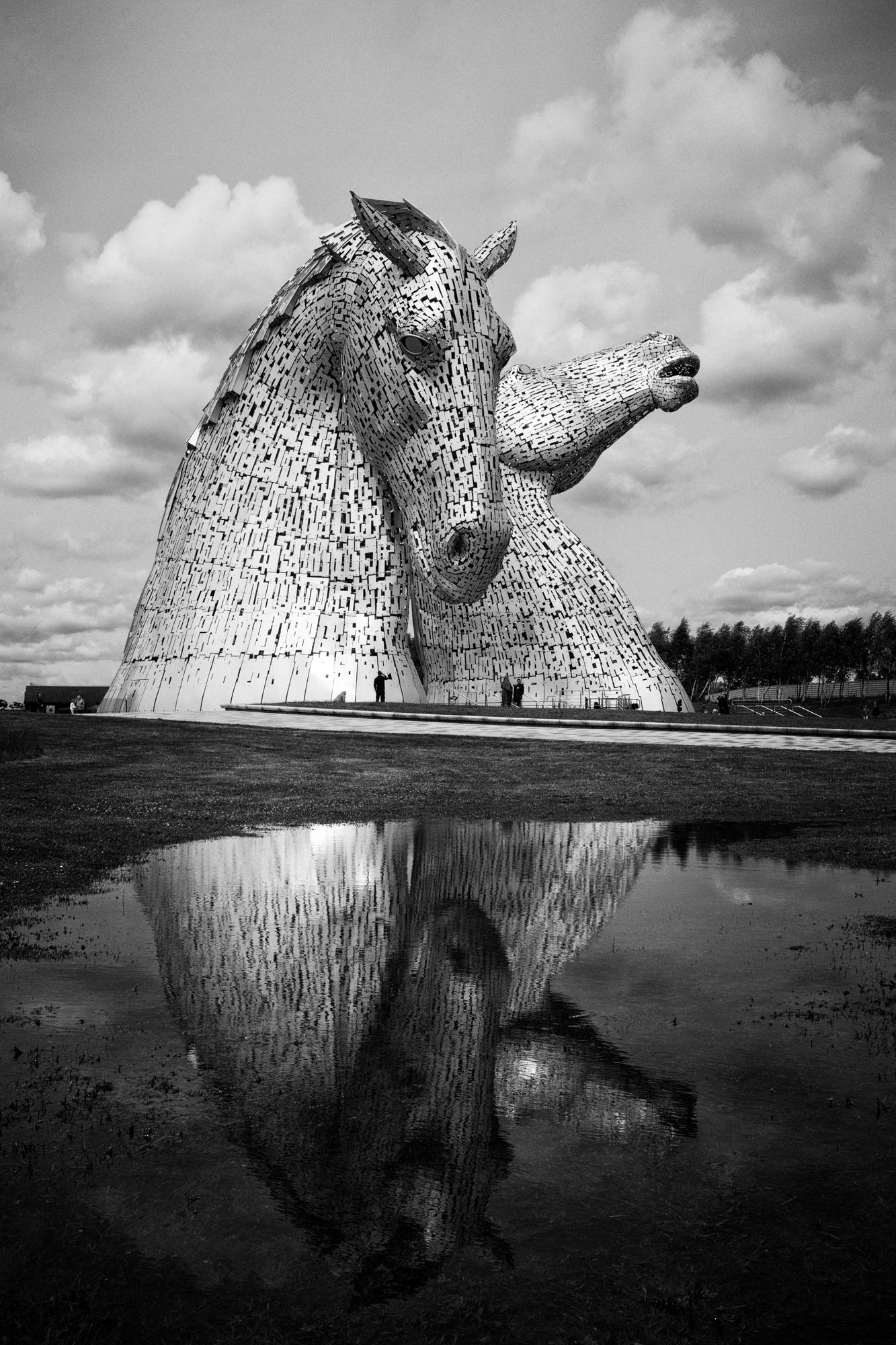
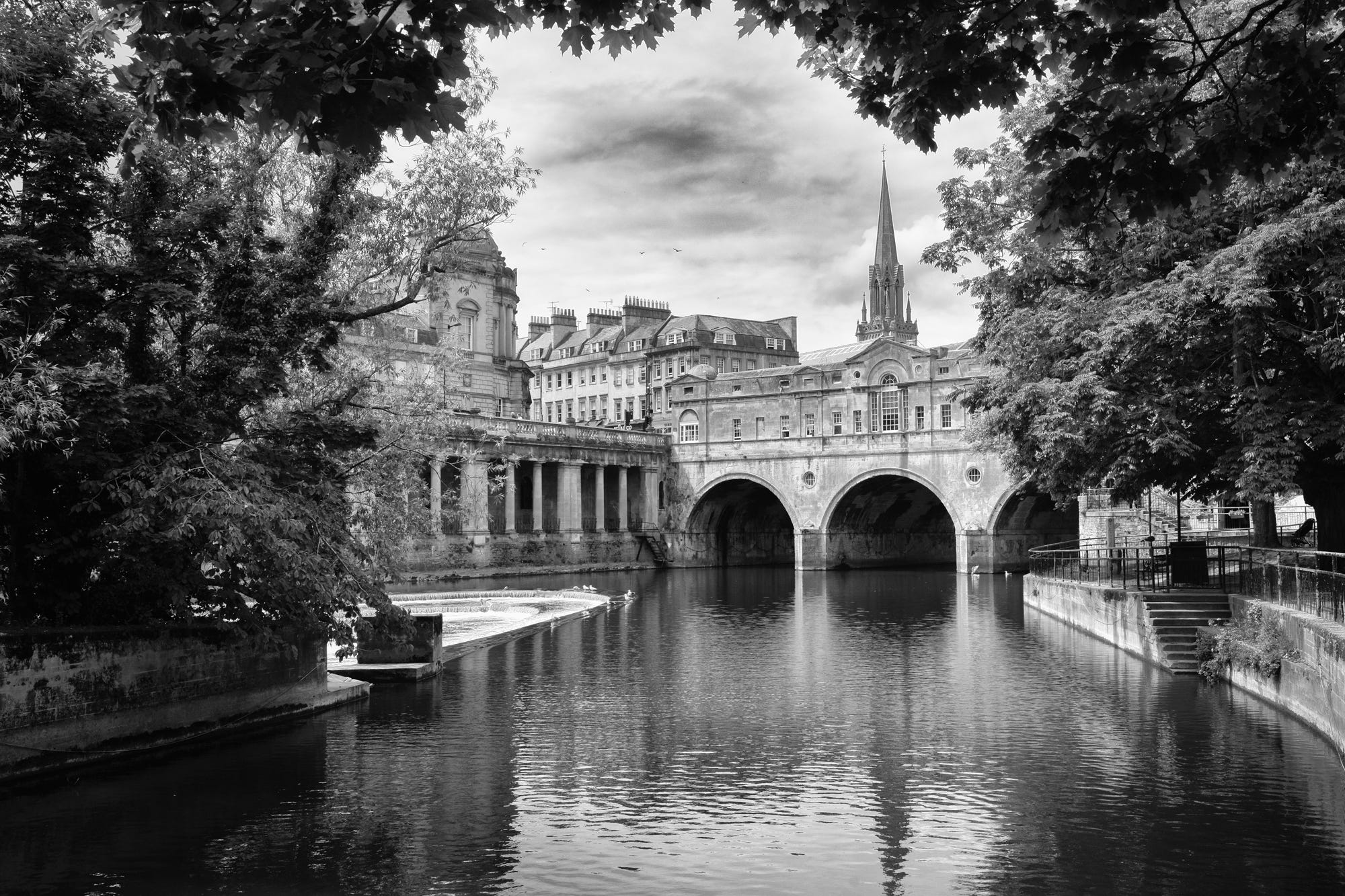
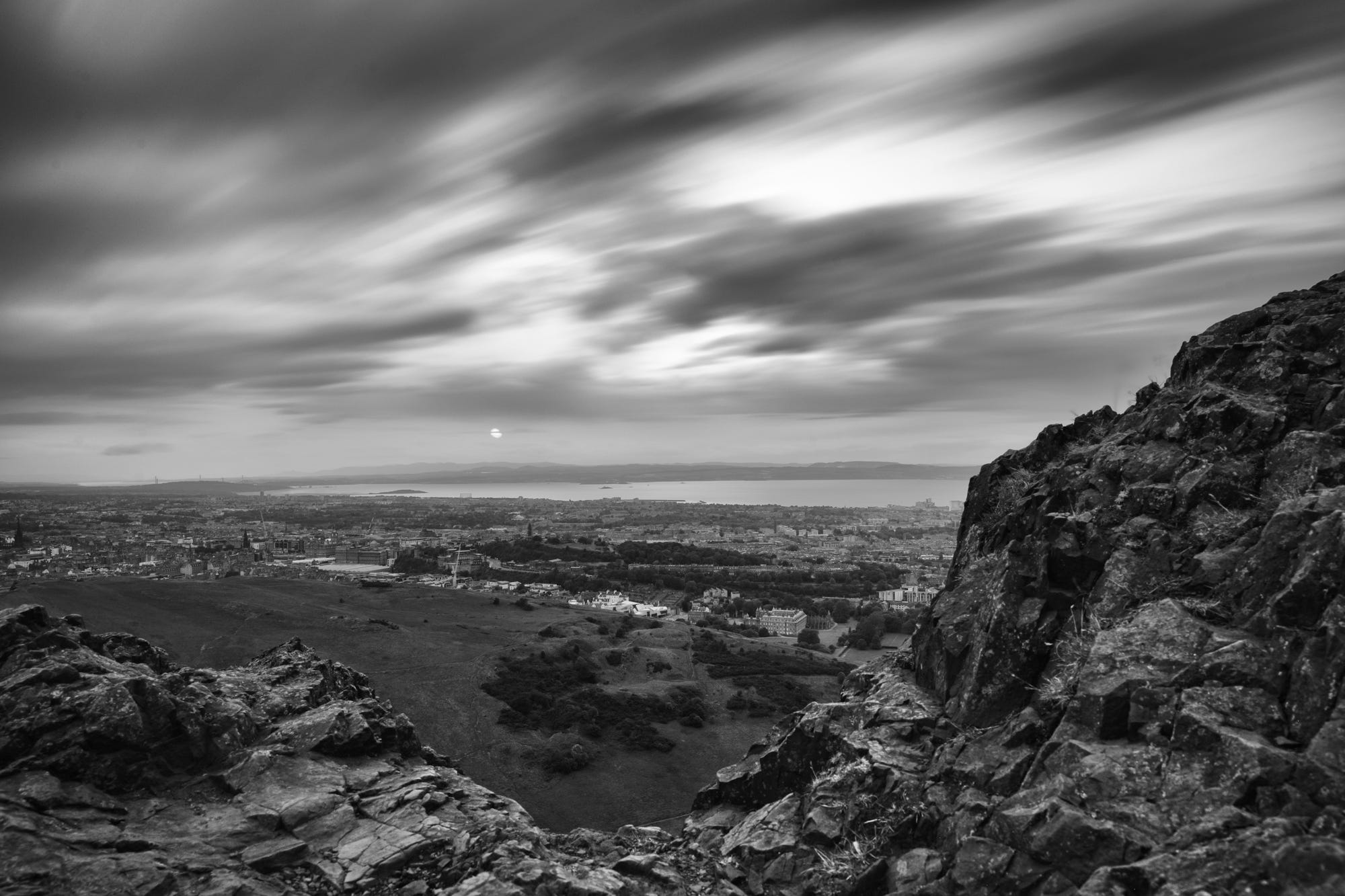
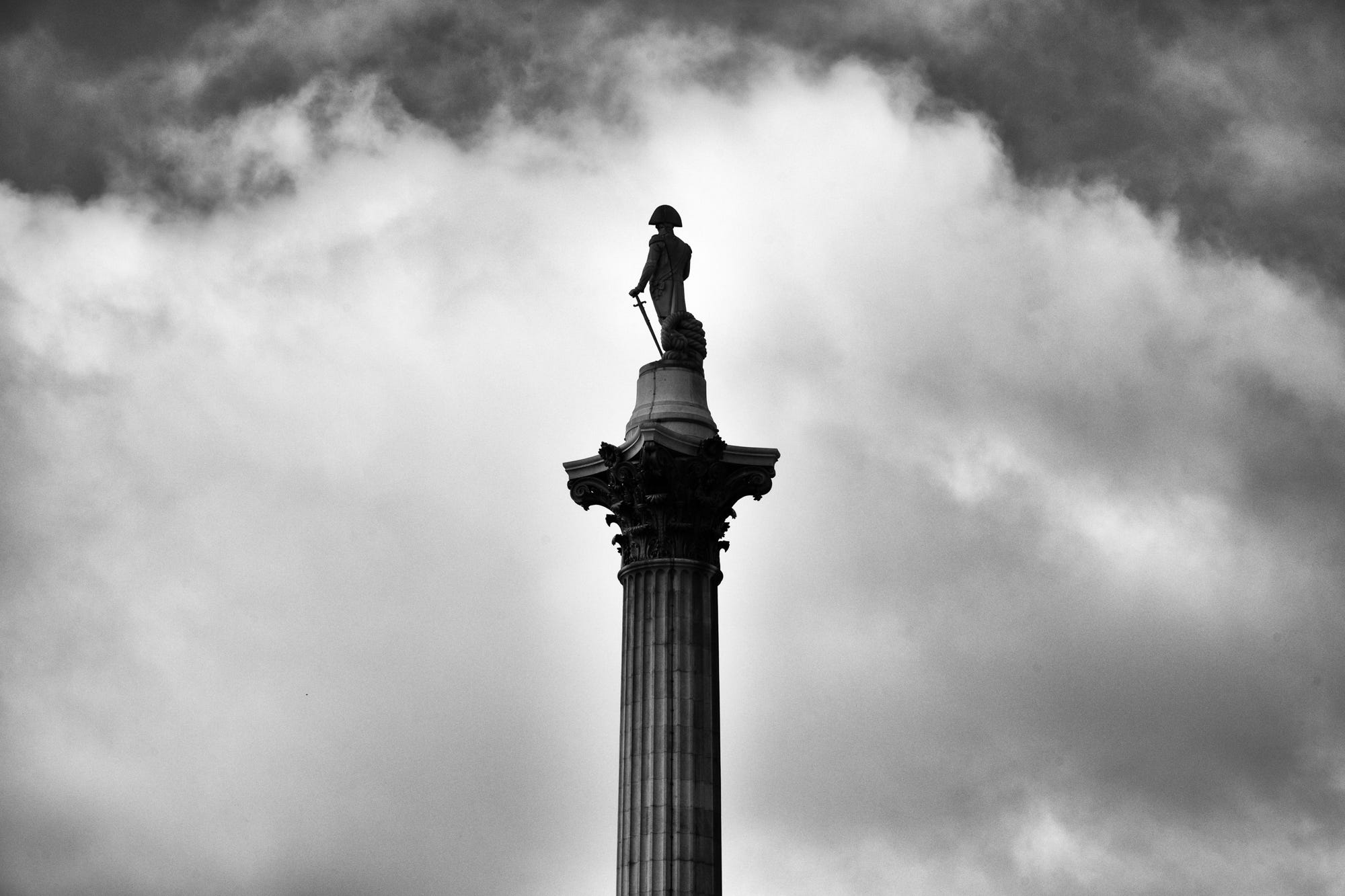
    Travelling across the UK, I was struck by the contrast between the enduring presence of monuments and the evolving needs of our global community. As symbols of the past, their relevance is now questioned as the challenges of today grow more urgent. This project explores the tension between permanence and impermanence, juxtaposing rigid monuments with the fluidity of human and ecological relationships.

    Through imagery of environmental and communal connections, I seek to highlight the essential threads that bind us to nature, to one another, and to the shared emotions of navigating an ever-changing world. More than just a reflection on place, this work is a testament to the connections and reconnections that shape our experiences, the lessons we carry home, and the deep interdependence that defines us all.

    Reflective and linguistically driven, this work embraces artistic interpretation through representational photography. The work was informed by the emotional journey of navigating change—personal, environmental, or societal. Through my lens, I capture not only the physical but also the unseen forces of memory, resilience, and quiet understanding.

    Ultimately, I am questioning what we choose to honour and preserve. As monuments fade, what remains essential? In seeking that answer, I find a profound reverence for the fragile yet powerful relationships that sustain us.

    This work was submitted as a personal project for a Study Abroad trip as a part of my MA in Photography at the Academy of Art University in San Francisco.

  • I passed out in the ER so you can try this

    I passed out in the ER so you can try this

    I spent Sunday afternoon in the emergency room at our local hospital. I should, at this point, receive a frequent flier discount. I was viciously assaulted by a kitchen knife while chopping up potatoes for a roast dinner. I like my knives to be sharp. Twenty stokes on my sharpener before preparing food is my habit. It comes with consequences. Sloppy technique results in deep wounds. I passed out after three stitches. The nurse had applied a topical lotion to my calloused finger, expecting it to soak in and numb the area, but it didn’t. When the third stitch went through the fingernail, I started to feel lightheaded. The next thing I knew was waking up from a deep slumber, wholly disorientated and feeling nauseous. Jacquelyn held me up, and she and the doctor talked to me. After a moment passed, I demanded lidocaine, and the final three stitches were painless.

    The recipe was excellent, and I finished cooking the next day—a mushroom nut roast with roasted potatoes and steamed broccoli. I severely modified the recipe by happy accident and made it super easy. I started with this recipe: Vegan Nut Roast – Loving It Vegan, but I forgot the carrots. I chopped everything into the same bowl rather than sauteing the veggies separately. Chop, stir, push into the pan, then bake. Super simple, super delicious. I used equal proportions of almonds, cashews and walnuts. Try it, you won’t be disappointed. I served the meal with homemade vegan gravy—a 70-minute meal. I am hungry just thinking about it.

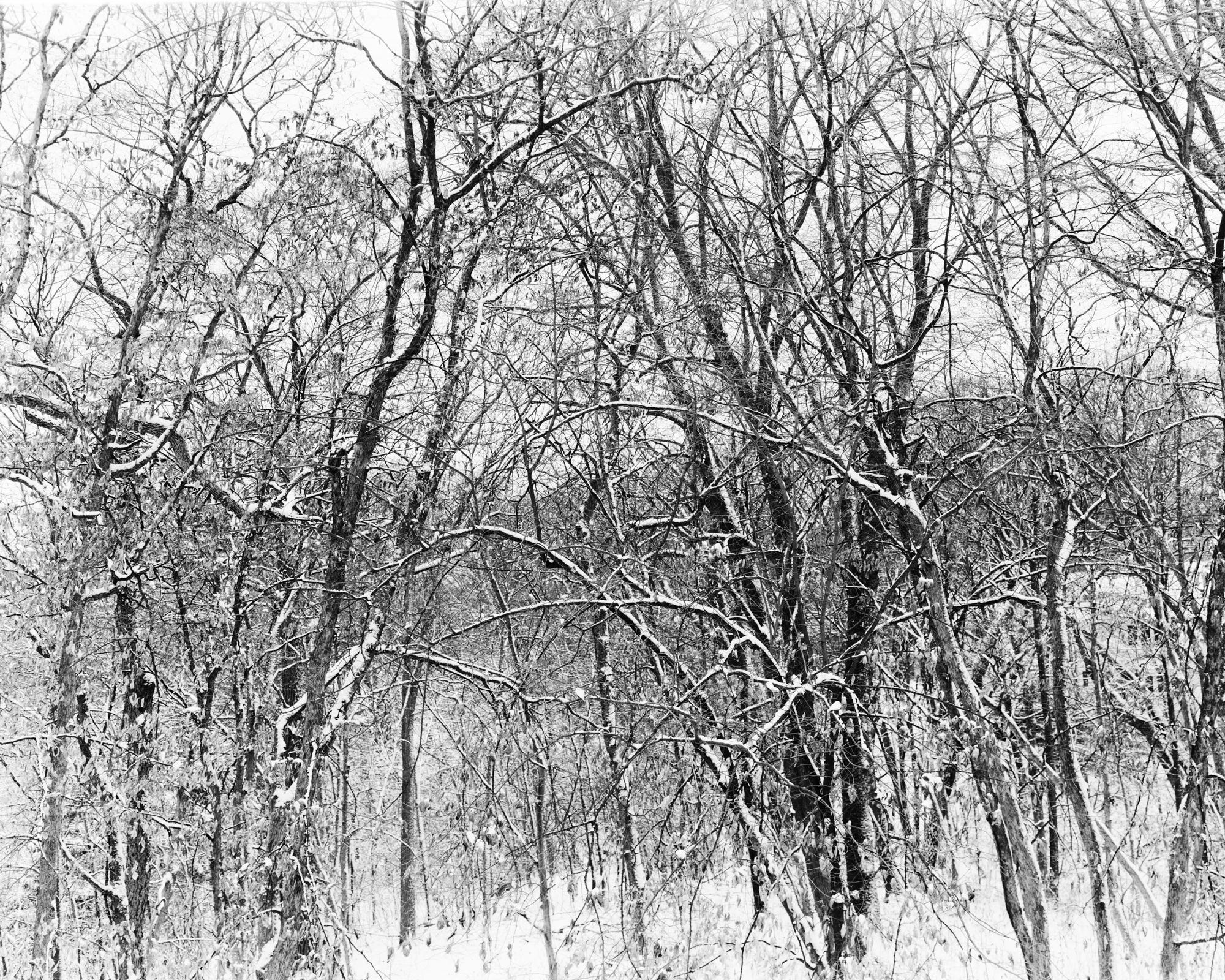
    It snowed on Sunday – this gorgeous scene was from my first day of testing.

    Speaking of happy experiments, I spent the past two days testing black and white colour filters. If you are not immersed in black and white photography, it sounds weird that you would use colour filters, but they are fun to play with. I have two Cokin filters, a red and a yellow. I was not convinced that they were accurately rated, so I tested them by exposing the same scene and using different settings to test the impact of each filter on the light transmission. It will also provide a fun way to examine how it alters the relationships between colours and tonal values. So, without further ado, here are the results:

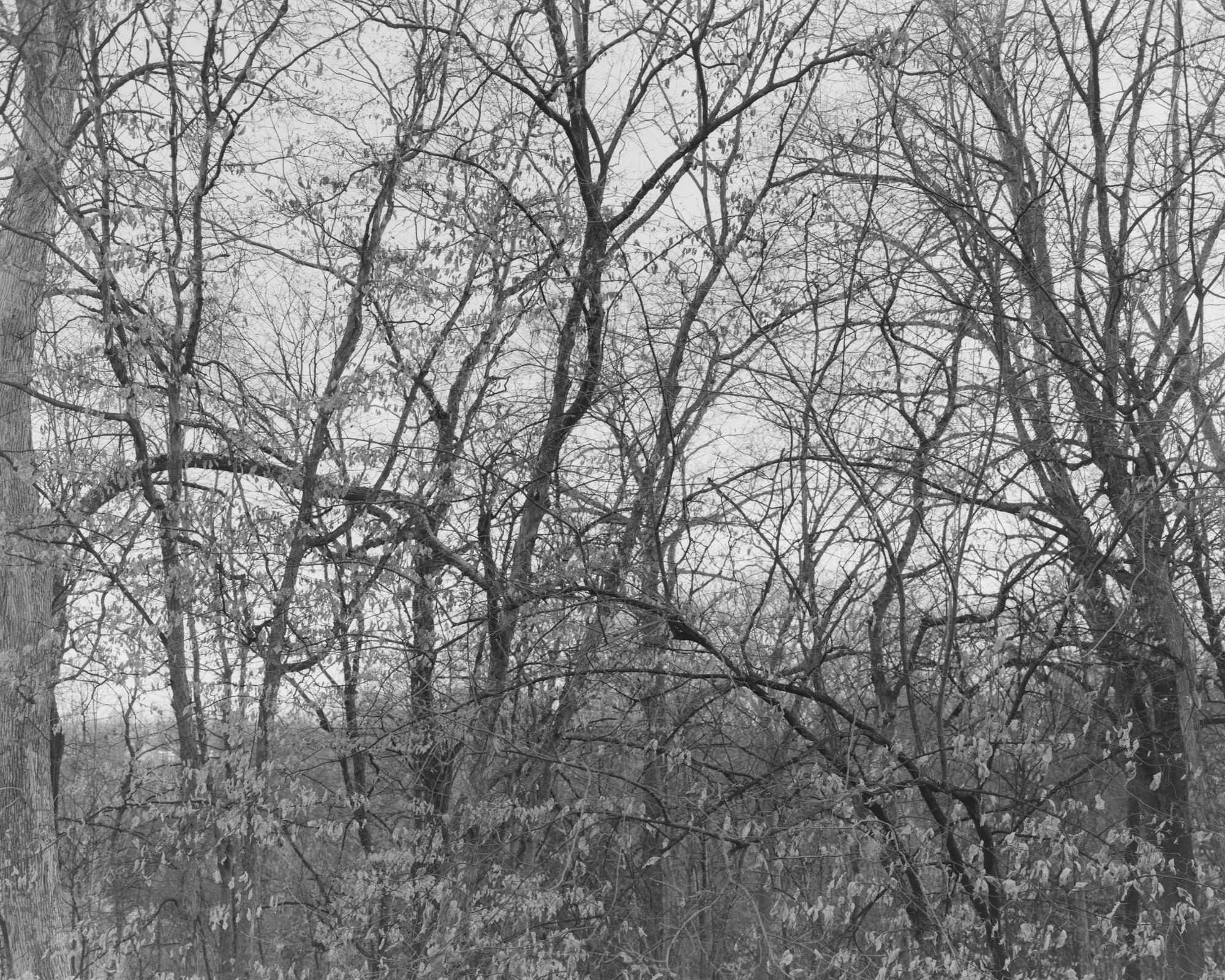
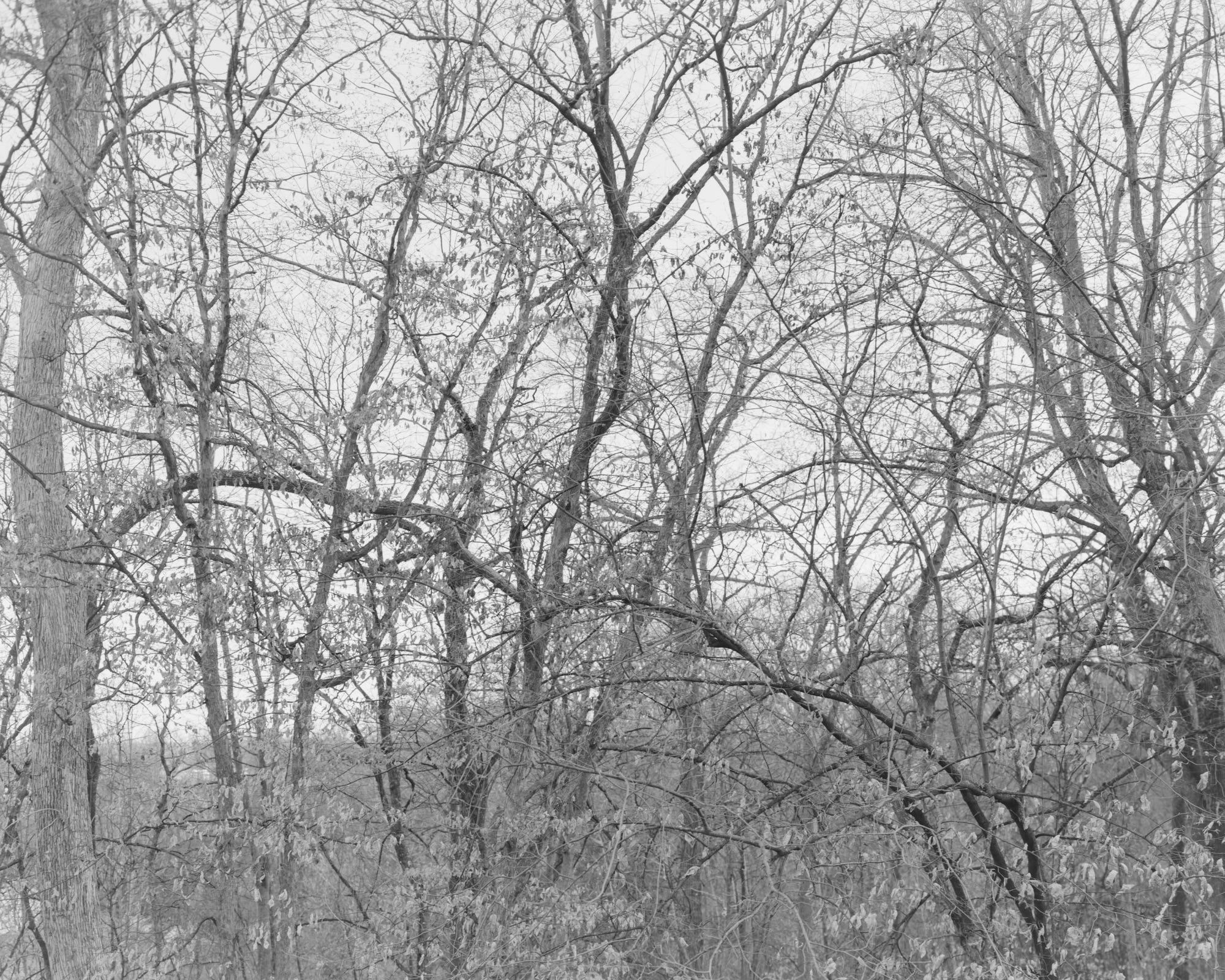
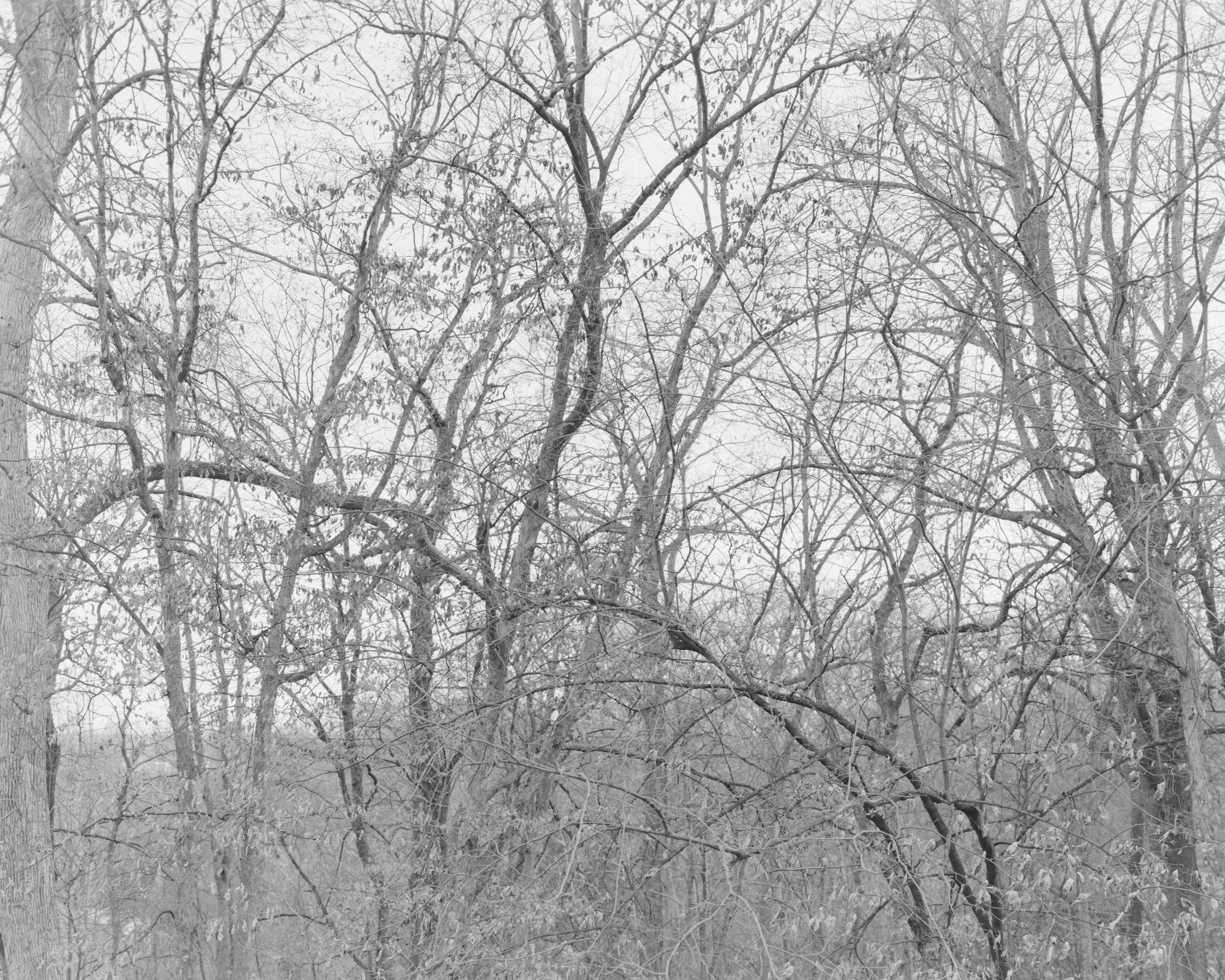
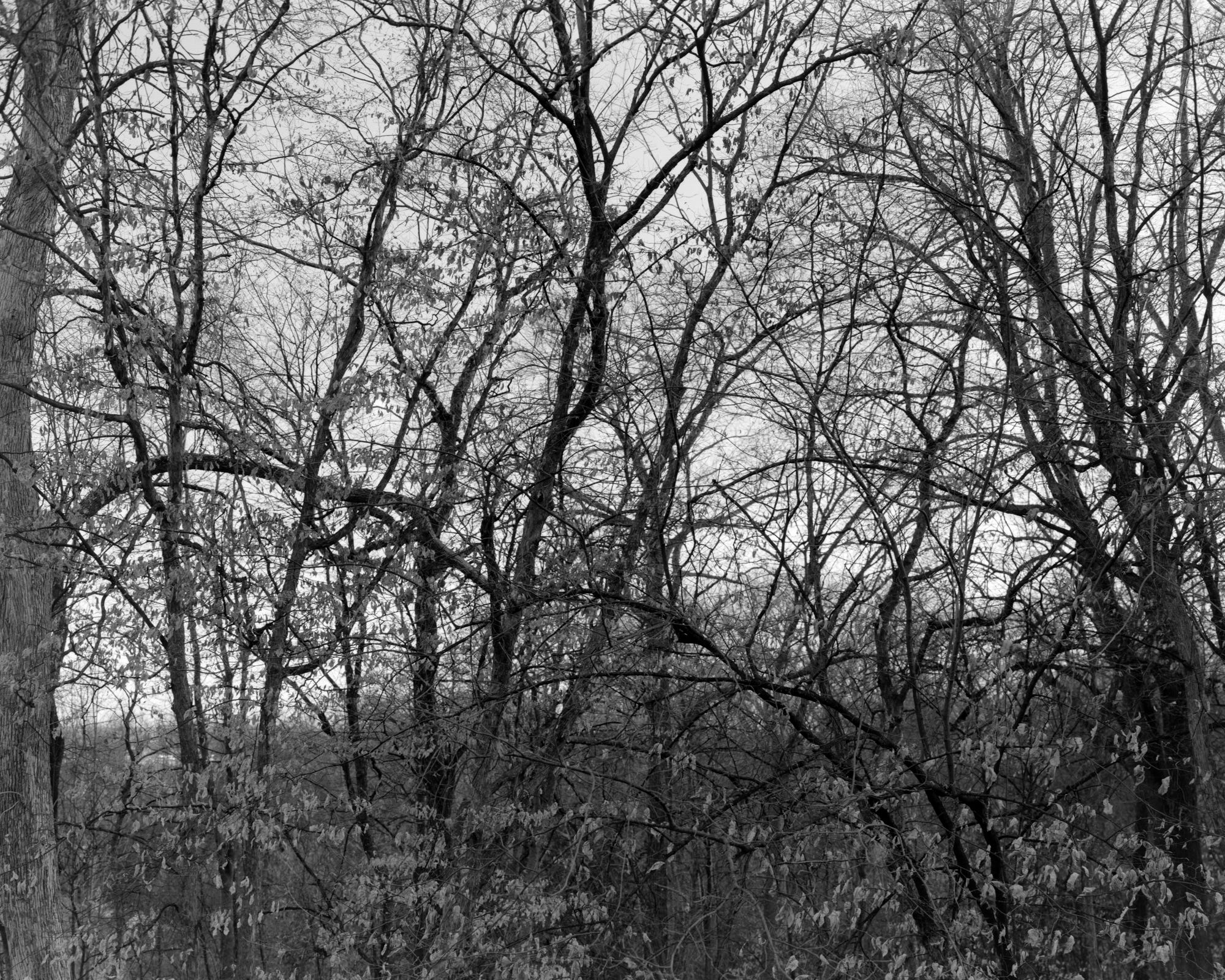
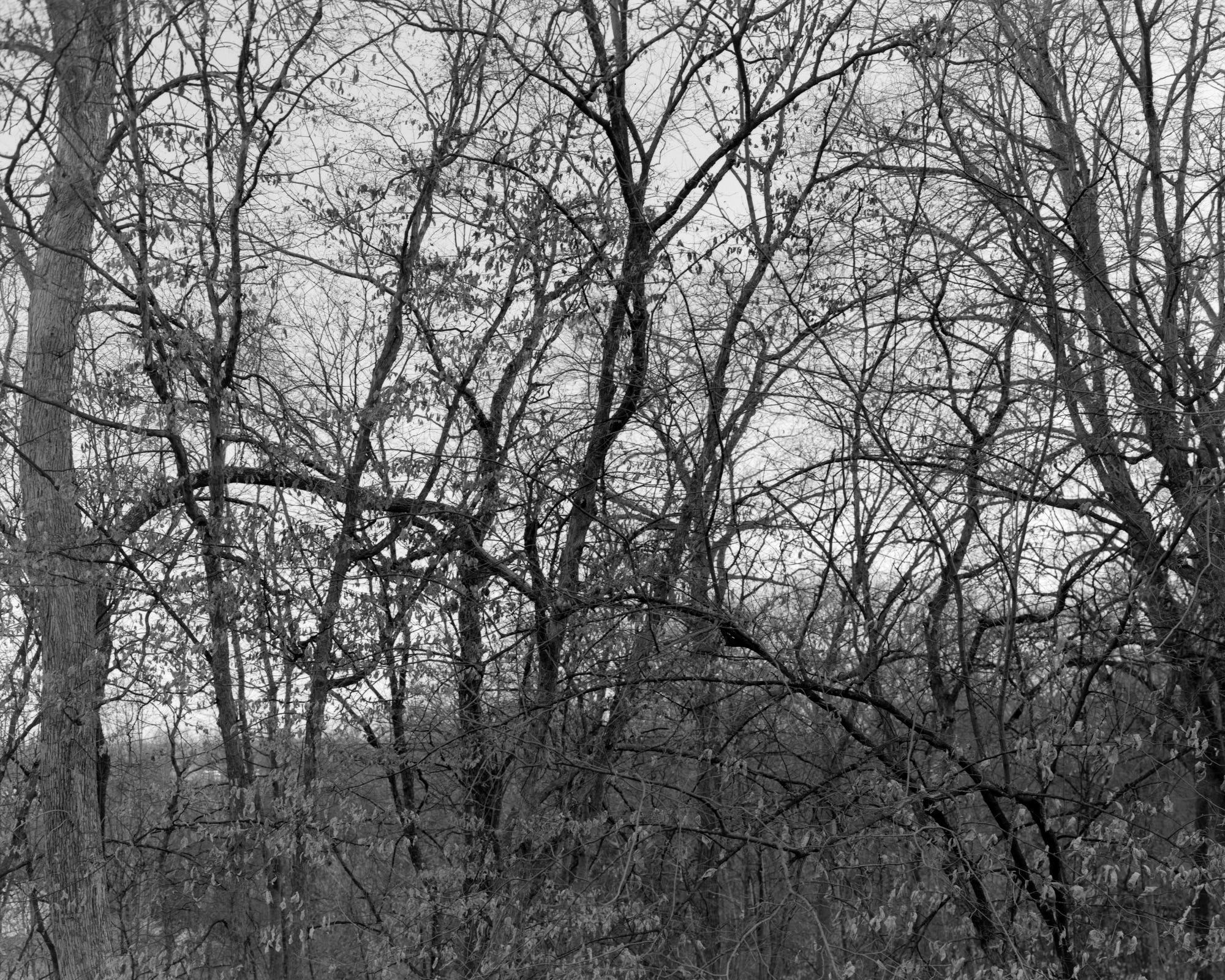
    These are the three negatives with the exposure curve inverted in Lightroom and no other processing. They were scanned at the same f-stop on my Nikon Z7ii, which shows how close the exposure is. It is not exact, but they are fairly close. The histogram in Lightroom was an excellent reference for this.

    No Filter.
    Red Filter, +3 stops.
    Yellow Filter, +1 stop.

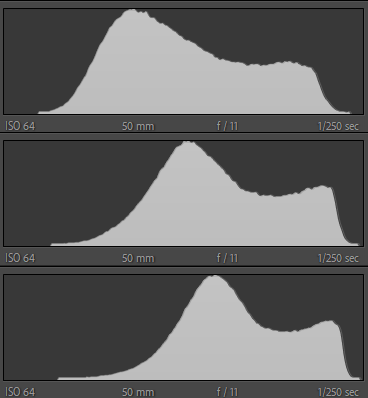
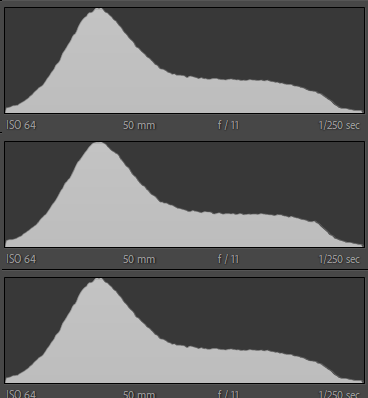
    The histograms for each of these show the changes in exposure and dynamic range:

    The main changes are a raising of the black point and a compression of the tonal dynamic range.

    Next, I ran each through Negative Lab Pro. This normalised the dynamic range, making the comparison less about exposure and more about the impact on tonal values.

    No filter.
    Red filter, +3 stops.
    Yellow filter, +1 stop.

    Here are the histograms for the final three images:

    The yellow and red filters created a greater peak in the tones – which is the contrasty impact for which these filters are renowned.

    So, in summary, exactly as advertised, the red filter requires three stops of “extra” light to match the exposure of the unfiltered photograph, and the Yellow filter needs one stop of light. In addition, the red and yellow filters do indeed peak the contrast. Of course, there are the subtle variations in colour hues and tonality that are visible in the final images. I think I will be using these filters a lot going forward.

  • Three mistakes and one keeper.

    Three mistakes and one keeper.

    I could have titled this piece How many mistakes can one make in one afternoon? My learning opportunities started with me loading film into a brand-new holder in the dark and failing. The film kept jamming. I should have stopped and removed the holder from the dark tent and fixed the jam. Instead, I pushed harder and hoped. There will be more on the consequences later.

    I typed the name of the area I wanted to visit on Google Maps, but I didn’t check to see where it was directing me. It wasn’t where I had planned to go.

    The area I arrived at was very swampy. It was Rapid Lakes Unit, named after the lake near Carver Rapids on the Minnesota River. Spring-melted snow flooded the path and the land around the unit. My wellies and I headed down the path. After half a mile, I was missing a boot. The swamp monster mud had eaten it. I hopped back and retrieved it. I took the opportunity to photograph the trees reflected in the pond, also known as the path. It wasn’t a good photograph.

    I carried on along the path, deeper into the swamp. I startled a Trumpeter Swan, which in turn startled me. These are giant birds with a six-foot wingspan and the volume of a canon going off. I stopped to make a photograph. Unbeknownst to me, the film that I had jammed into the holder was blocking the dark slide from closing. So half the negative was wildly overexposed, and the other half was not very good. One of the nice things about film photography is you don’t know you are making crappy photographs at the time. So filled with optimism and a sense of joy from the gorgeous weather, I continued deeper (with two boots)

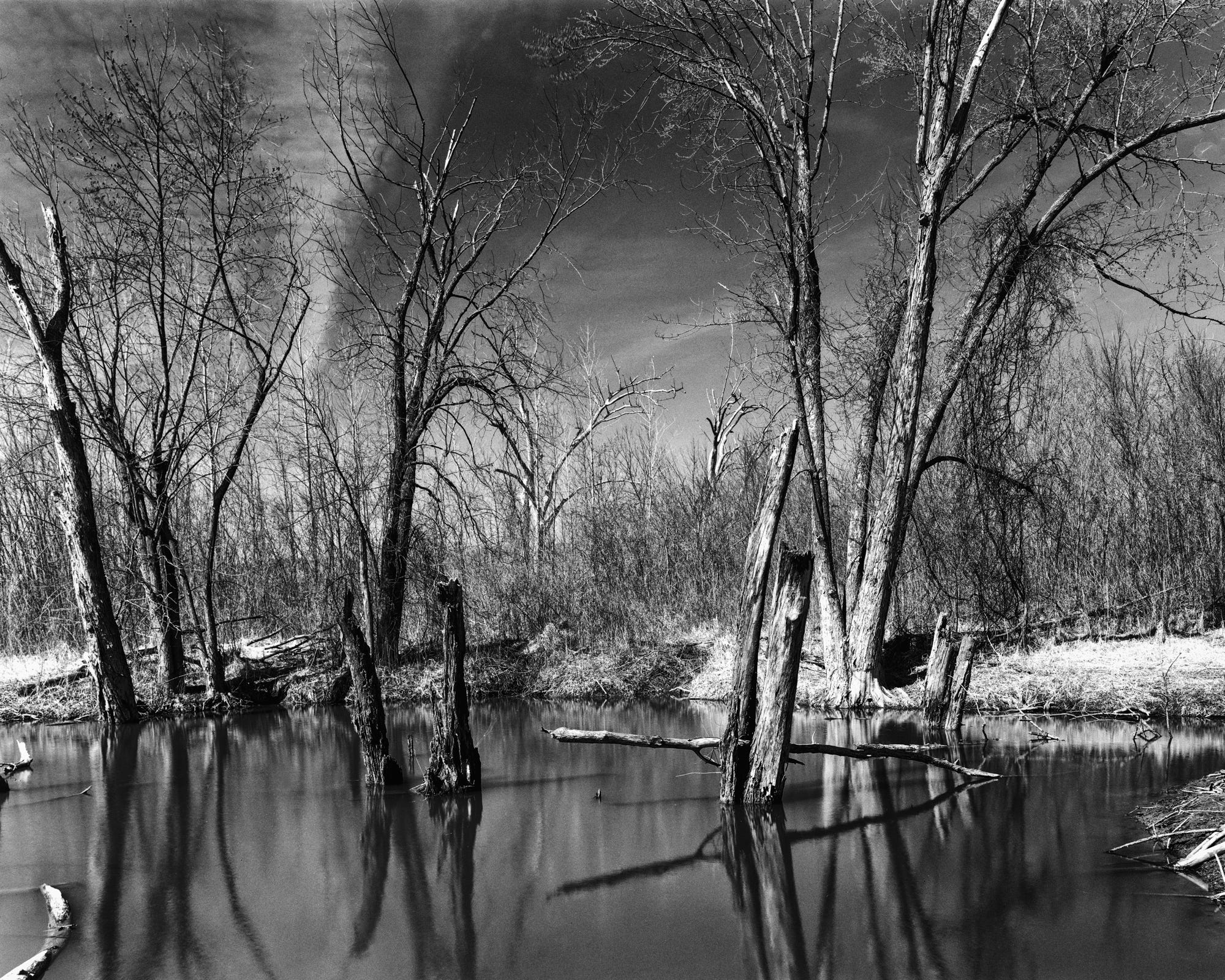
    I ran out of the path at a lovely area with a small area of open water dotted with the relics of dead trees killed by the frequent floods. I made two exposures. One was marred by me mistakenly putting my filter holder on poorly, allowing light to leak in on one side. The resulting negative looked like it had a massive lens flare across it. Thankfully, I framed a second composition, and it turned out to be the keeper of the day.

    Carver Creek Trail, Rapids Lake Unit, MN.

    This was a great photography trip. The weather was refreshing and sunny, the environment springing into life, the experience wonderful, and one photograph was all I needed to have a great time.

  • Another large format photography mistake.

    Another large format photography mistake.

    I thought I was done learning for the week, but that was not to be the case. Jacquelyn and I went for a walk over a weekend to make some photographs of Jabs Farm.

    Jabs Farm is a crumbling relic of a bygone farming era in the Minnesota River valley. Modern industrial and residential housing development combined with climate change has irrevocably changed the valley’s topology. Each spring, the valley floods as the west Minnesota snow melts, channelling the water eastwards towards the Mississippi River. The resulting annual floods impact not just the trees and soil but also the viability of farming along the river banks.

    The land that was once Jabs Farm is now managed by the National Forestry Service and is part of the patchwork of land that makes up the Minnesota River Valley Wildlife Preserve. Criss-crossed by hiking trails, the preserve offers a wonderful environment for nature or landscape photographers.

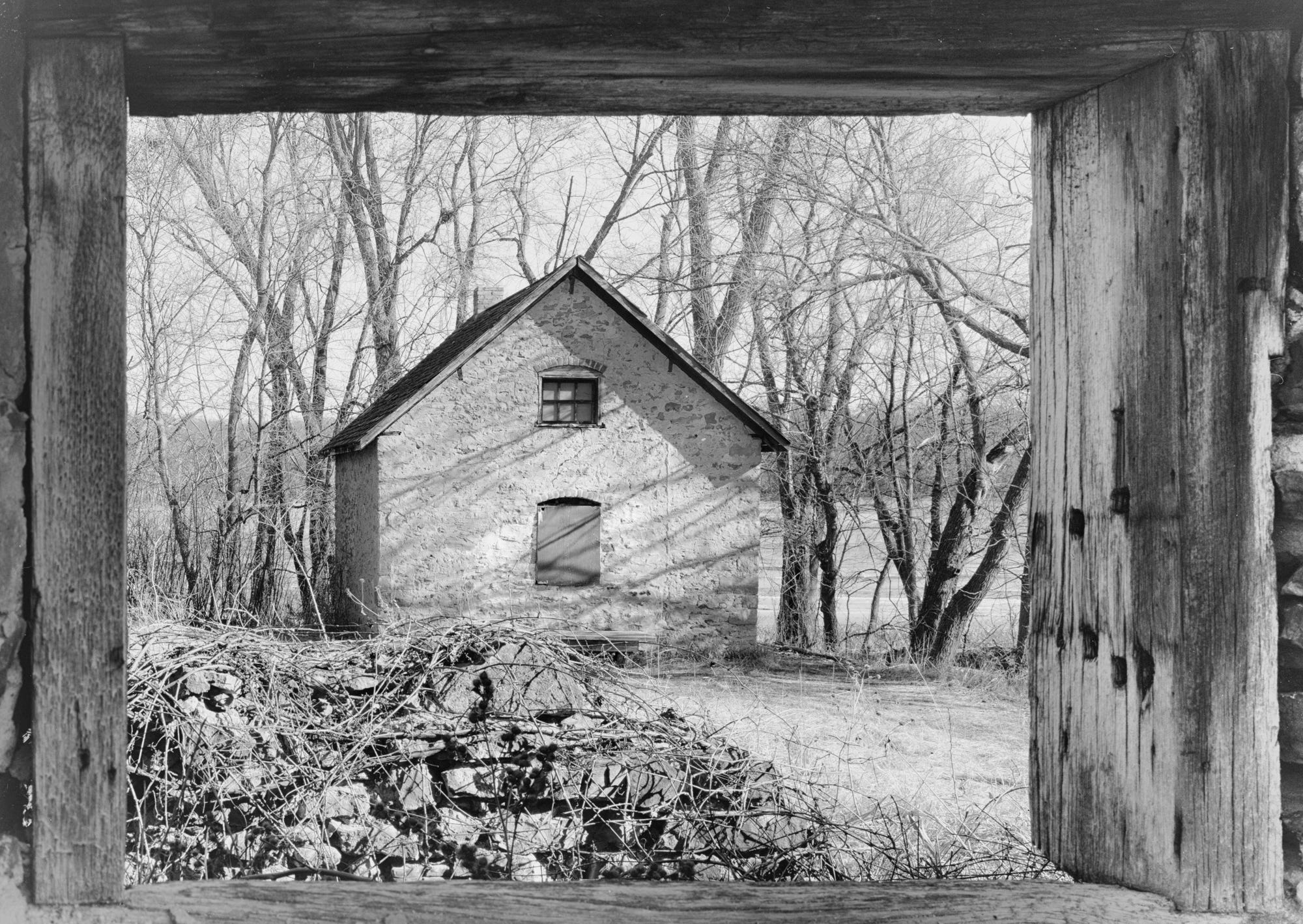
    I was using this visit to make some photographs for a class project for Travel Photography, an elective class for my MA program at school. The farm building ruins provide a unique opportunity to capture the essence of the past utility of the area. Three buildings remain on the farm. One, missing its roof, still has the wooden frame of an old window, and through it, I composed the smallest of the three buildings. I was pleased with how this photograph turned out. I used f/45 to allow a considerable depth of focus, hoping to capture the window frame and the building in focus. I was surprised it worked. The frame within a frame is always a pleasing composition.

    Jabs Farm, frame within a frame.

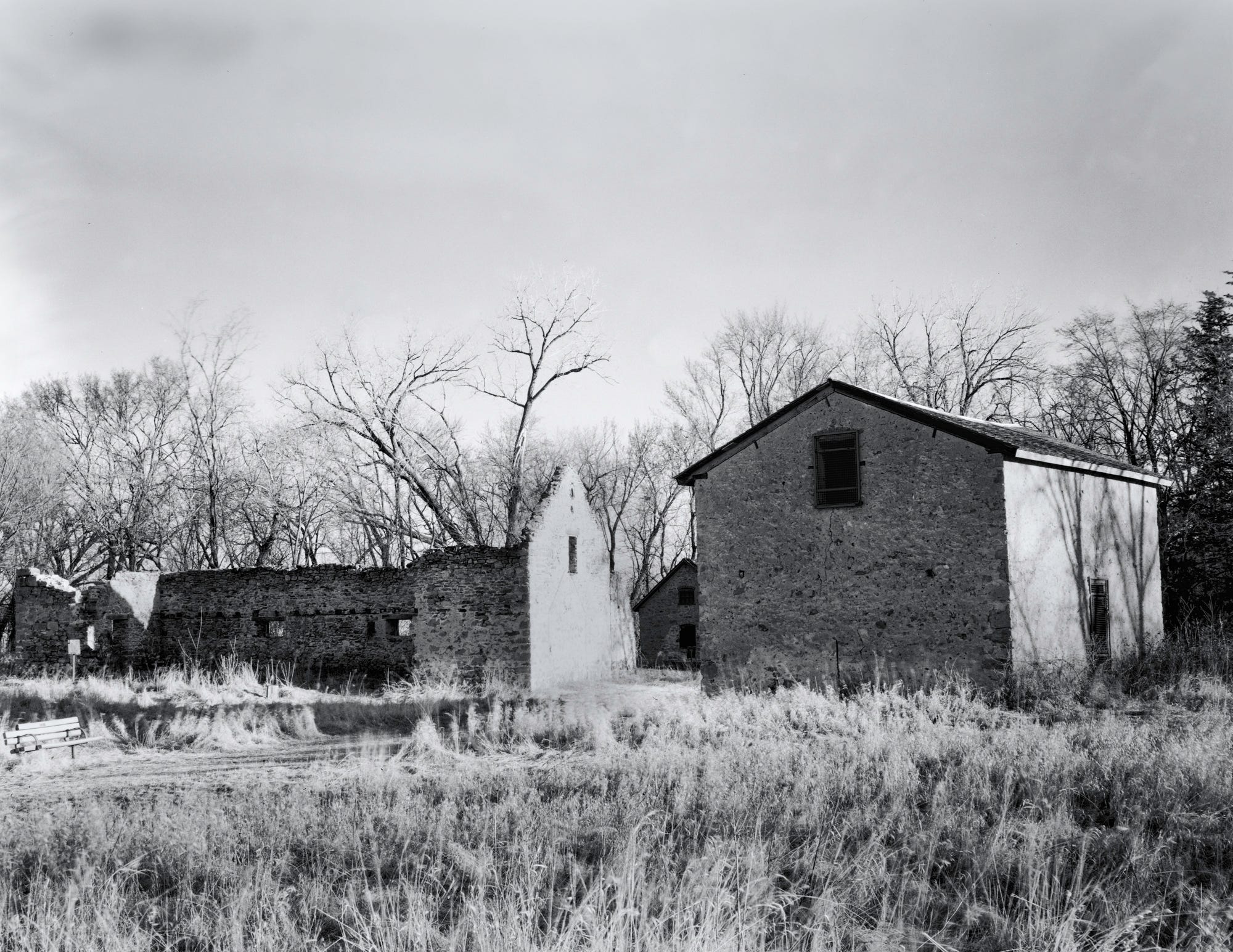
    In my second composition, I positioned the three buildings with the lovely soft grass in front and the trees and sky behind. The sky was bright and plain. I added a graduated ND filter to the sky to reduce the range of tones and used a red filter to darken the blue. Having popped the film holder into the back of the camera, I slid out the dark slide, only to immediately realize my mistake and slide it back again a few seconds later. I had forgotten to close the shutter first. The sheet of film was ruined.

    The large format lenses that I use have two shutter levers. One fires the closed shutter open, then closes it again using a clock mechanism to time the opening. The other closes or opens the shutter mechanically. You keep the shutter open while composing and focusing on the scene. The process is then to close the shutter and test fire the shutter mechanism – remember, these lenses and shutters are over fifty years old, and so, like me, they are getting a little long in the tooth and prone to errors.

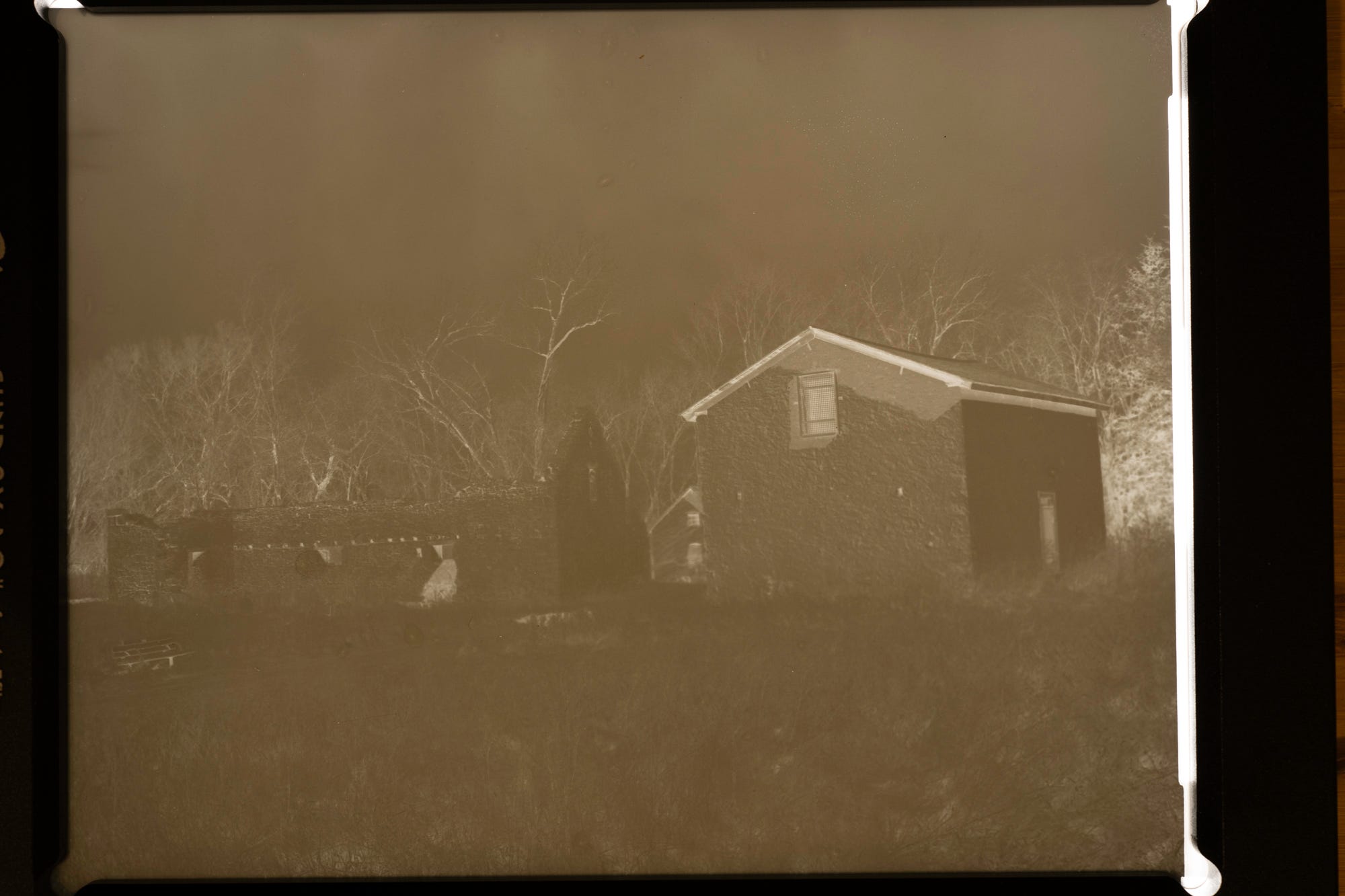
    This is the ruined negative, with a very bright light behind it. I was surprised by how much detail there was, even though it was very overexposed.

    Having ruined the film by unintentionally [over] exposing it, I packed up, and we headed home. Not only was it my mistake not to close the shutter, but my second mistake of the day was to bring two sheets of film. There were no second chances that day.

    Rule #3: Always bring extra sheets of film.

    You can read about my first mistake and subsequent rule here: Large format photography mistake – by Christopher Crowhurst

    I returned the next day with spare film and made this image of the farm.
  • Large format photography mistake

    Large format photography mistake

    I am now five days and ten negatives into the process of learning to use a large format film (LFF) camera. Previously, when I obtained a new camera, I would stand on the deck behind our house and make some photographs of the ash trees. I have many such images, at different times of day, different qualities of light, different seasons of leaves. They can be beautiful but hardly portfolio-worthy or unique.

    Exposing large format negatives has raised my awareness of the value or cost of each exposure. The initial cost is monetary, the price of large pieces of film, and the cost of the chemicals used to develop them. Each is working out at about three dollars, which is not insignificant but less than a Starbucks coffee. The real cost, though, is the time. Each photograph made requires the film to be loaded into the holder in darkness, the camera to be assembled on site, the establishing of the composition, the focusing of the lens, the application of filters, the calculation of the exposure, the insertion of the film holder, the removal of the dark slide, the actual exposing of the film, the replacement of the dark slide, the removal of the film holder, the disassembly of the camera. And then, once home, the removal of the film from the holder in darkness, placing the film in the tank, the mixing of the chemicals, getting the chemicals to temperature, adding and agitating the chemicals in the film tank, the washing and drying of the negative, the scanning, the cleaning and editing, and then you get to see what you have created.

    There are many steps, a lot of time, and many opportunities to learn as you make mistakes.

    Exposure #5 – Sand Creek, Louisville Swamp, MN.

    Rule #1: Make sure you have film in the film holder.

    It sounds obvious, but you must expose some actual film to make a photograph. However, during the process of LFF photography, you never see the actual film until you have developed it. On my second outing, I took three film holders with me in a carrier. I placed four sheets of film in two of the holders. One was empty. I made two exposures. And yes, you guessed it, I made them using the empty film holder.

    I was more than a little upset when I got home, and in my dark bag, as I was trying to move the film from the holder to the developing tank, I discovered there was no film in the holder. The two exposures would have been beautiful, probably, but we will never know. After three hours of hiking, composing, and all the steps of LFF photography, I made nothing but a rookie mistake.

    Fool me once. So, I spent an evening researching how to organize and manage film holders. Of course, with such a mature medium, plenty of systems and advice are available to help one avoid this issue. But unfortunately, none of the quick guides to LFF Photography that I had previously read touched on this necessity. Beyond knowing if there is film in a holder, there is also the challenge of knowing if the film is exposed (used, ready for processing) and, later on, the challenge of working out which negative was in which film holder.

    To progress my skills as a photographer, it is essential to be able to take notes about each exposure and relate this information to the final prints. Unlike traditional rolls of film, which have numbers on the actual negatives, on sheet film, there is no physical identifier on the negative to refer to.

    Exposure #6 – Sand Creek, Louisville Swamp, MN.

    How to manage your film holders:

    1. Number the outside of each side of each holder. You will use this number in your notes to refer to the exposure information.

    2. Modify your film holders to imprint the number onto the negatives. This is sheer brilliance. Using a file and following the advice from the interwebs1, I carved a binary numerals system into the film holder’s edge. This then causes these notches to be exposed on the edge of the negative. This allows one to identify which film holder each negative was in and thus relate our notes to the negative.

    3. After loading the film into a film holder2, insert the dark slide consistently. I use white side out to signify that the film is unexposed.

    4. After exposure, insert the dark slide opposite, black side out. If you realize you have reinserted the dark slide the wrong way around, use your camera as a changing bag. Reinsert the film holder into the camera with the shutter closed, pull the dark slide out, and reinsert it correctly.

    5. Be consistent with undeveloped film holders and unloaded film holders. I keep the dark slide showing black until fresh film is loaded, and I keep the dark slide partially open once the film is removed for development. Thus, by looking at a holder, I can identify if there is film in it and if the film is exposed or not.

    6. Only take film holders with film in them on trips. There is no need to carry empty film holders and risk confusion about which ones are ready. I found a great case for film holders made by Stone Photo Gear3.

    I know this has been a lot of geeky nonsense and irrelevant to the vast majority of people reading this. But if I can help just one person avoid making the same mistake as me, then it will have been worth it.
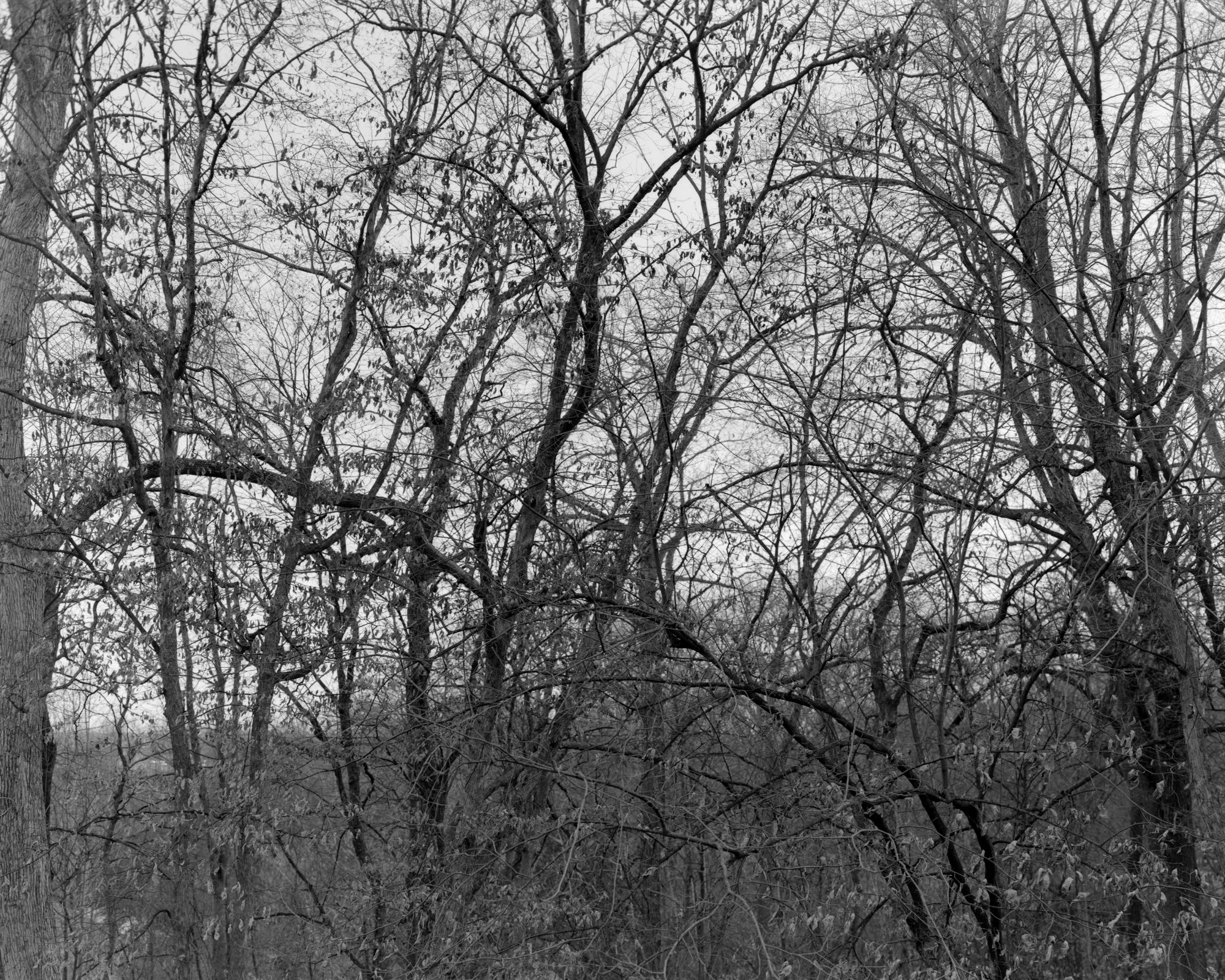
    Exposure #7 – Minnesota River Valley Nature Reserve.

    References

    https://www.jbhphoto.com/articles/film-holder-numbering/

    2

    https://www.youtube-nocookie.com/embed/QuP9F8LUzk8?rel=0&autoplay=0&showinfo=0&enablejsapi=0

    https://www.stonephotogear.com/filmstorage/4x5fieldcase

  • Concept Statement: The Boundary Waters Legacy

    Concept Statement: The Boundary Waters Legacy

    The Boundary Waters is a collection of land in north Minnesota, including Voyageurs National Park, the Boundary Waters Canoe Area Wilderness (BWCA) and the Superior National Forest, all administered by the United States Forest Service. The combined area is a breathtaking expanse of pristine lakes, dense forests, and thriving wildlife. It is one of the most ecologically valuable and visually stunning regions in the United States. Spanning over a million acres along the Canadian border, it offers solace to adventurers and a critical habitat for countless species. This unique and fragile environment faces mounting threats due to political policies and industrial initiatives related to copper-nickel mining and logging.

    This project will combine linguistic and medium-based concepts. It will use form and narrative to depict the natural beauty of the region while connecting the viewer to the literal subject—the potential loss of this region to man’s greed through policy and commercial activity.

    Photography and, more broadly, art have been used historically to connect broader audiences with the wilderness. The works of Ansel Adams, the photographer, and Thomas Moran, the painter, used their art to illuminate the need to protect our natural landscapes. Moran was pivotal to the protection of Yellowstone, and Adams worked through the Sierra Club to help create and conserve many of the current parks. They both excelled at capturing natural light, illuminating their subject matter’s beauty. They are both the influence and inspiration for this proposed body of work.

    The primary visual syntax will be tone. Used evocatively to create and shape form and focus the viewer. Form will play a substantial role in this project. Watercourses’ natural curves will represent the current harmonious balance, enhanced further by stabilising triangular forms that occur tonally around waterfalls. In contrast, open forms that exit the frame will highlight vulnerability and create tension, heightened using tones to create contrast and elevate emotions such as foreboding, fear, and a sense of loss. Textures will be used to enhance the viewers’ awareness of the delicate fragility of the ecosystem.
    The subject matter is the landscape, forests, lakes and rivers. To capture their beauty and vulnerability, the project will use a 4×5 large format field camera, backed up with a high-resolution digital camera. The choice of large format film is informed by the camera’s ability to enhance creative control by providing massive resolution and superb image control of perspective and focus using tilt, shift, and swing. The images will be rendered onto black and white low iso film to simplify processing and to allow extruded time captures of water motion. The choice of film stock, Ilford Delta 100, will balance the film aesthetic and grain with the desire for detail. ND filters will be used to control exposure and enable extruded time captures, and colour filters will be used to allow in-camera contrast control. Polarizing filters will reduce glare and reflection, which can negatively impact black and white tones. The film aesthetics provide nostalgia and pay homage to the greats like Adams. This connection to well-known artists’ aesthetic will assist the narrative of beauty and wilderness needing protection and preservation.

    By recording the region’s beauty, it is hoped to communicate its fragility and influence the viewers’ perspective on policy that impacts the region. This will cause them to reflect on their own connection to nature and persuade them to act.

    The finished work will be exhibited in a large, printed form. The framing and matt styles will vary depending upon the particular emphasis of the image. Varying aspect ratios and mat proportions will emphasize form and narrative. In addition to being exhibited physically, it will be used to create a photo essay, allowing for the possible syndication of the work online and increasing its relevance and political impact.

    To quote Teddy Roosevelt:

    “Here is your country. Cherish these natural wonders, cherish the natural resources, cherish the history and romance as a sacred heritage, for your children and your children’s children. Do not let selfish men or greedy interests skin your country of its beauty, its riches or its romance.”

  • Work in progress: The Boundary Waters Legacy

    Work in progress: The Boundary Waters Legacy

    The Boundary Waters is a collection of land in north Minnesota which includes Voyageurs National Park, the Boundary Waters Canoe Area Wilderness (BWCA) and the Superior National Forest, both administered by the United States Forest Service. The combined area is a breathtaking expanse of pristine lakes, dense forests, and thriving wildlife. It is one of the most ecologically valuable and visually stunning regions in the United States. Spanning over a million acres along the Canadian border, it offers solace to adventurers and a critical habitat for countless species. This unique and fragile environment faces mounting threats due to political policies and industrial initiatives related to copper-nickel mining and logging.

    This photography project seeks to document the stunning beauty of the Boundary Waters as it exists today and the environmental pressure brought about by industrial activities and policies. The aim is to create a compelling visual narrative highlighting the importance of preserving the Boundary Waters while capturing the tangible impacts of human intervention.

    At its core, this project begins with celebrating untouched natural beauty. The early phases will focus on capturing the raw splendor of the Boundary Waters as it is now—its mirror-like lakes, ancient pine forests, and vibrant ecosystems. These images will showcase the diversity of flora and fauna, the interconnectedness of life in the wilderness, and the tranquility that draws visitors from around the globe. The camera will act as a window into a world that remains, for the moment, largely unspoiled.

    As time progresses and policies take effect, the project will shift its lens to explore the changes occurring within the environment. Copper-nickel mining, for example, has been a contentious issue, with potential repercussions including water pollution, habitat destruction, and ecosystem degradation. The photographs will do more than juxtapose the “before” and “after” states. Still, they will visually chronicle the environmental impacts and serve as a sobering reminder of the delicate balance between human activity and environmental stewardship.

    Visual storytelling will play a vital role in this project. These images will emphasize the beauty of what is at stake and the stark reality of what may be lost. Photographs of waterways impacted by mining runoff and forests succumbing to degradation will provide undeniable evidence of the consequences of policy decisions.

    The genre of Fine Art Landscape Photography often captures the beauty and majesty of the natural world, emphasizing vast vistas and the interplay of light and shadow. The choice of black and white aligns with these traditions, highlighting the form and texture of the land.

    Photographers like Ansel Adams have significantly impacted the genre with their meticulous attention to detail and mastery of tonal range. Adams’s skill not just in conveying the grandeur of the American West but also in fostering the viewer’s connection with and desire to preserve our wildernesses inspires this project.

    The long-term goal of this project is to raise awareness and provoke dialogue about the environmental implications of political policies. By engaging viewers with visually striking and emotionally resonant imagery, the project aspires to inspire action through advocacy, conservation efforts, or policy reform. The photographs will serve as a testament to the Boundary Waters’ intrinsic value and a call to preserve it for future generations.

    This body of work is intended for exhibition in galleries, environmental journal publications, and digital media dissemination. By reaching a broad audience, the project hopes to foster a sense of connection and responsibility toward one of the most treasured wilderness areas in the United States.

    Ultimately, “The Boundary Waters Legacy” is more than a photography project—it is a testament to the power of visual storytelling to reveal truths, evoke emotions, and inspire change. Through the lens, we will witness the transformation of a landscape and the ongoing struggle to protect the irreplaceable.

    This project will not be completed during this semester. This class period will serve as an initial research phase to document the impending policies and impacts and begin to capture photographs of the region’s pristine beauty.

    Background research:

    1. Public Land Order No. 7917: Federal Register :: Public Land Order No. 7917 for Withdrawal of Federal Lands; Cook, Lake, and Saint Louis Counties, MN Ordered by the Biden administration on 1/31/2023 protected the BWCA from mining leases for 20 years.

    2. Superior National Forest Restoration Act: H.R.3195 – 118th Congress (2023-2024): Superior National Forest Restoration Act | Congress.gov | Library of Congress. Proposed by Republican Congressman Stauber to reinstate mineral leases in the BWCA.

    3. Project 2025, page 523: Mandate For Leadership – Project 2025 PDF Document : The Heritage Foundation: Free Download, Borrow, and Streaming : Internet Archive. Heritage Foundation plans to revisit energy and mineral production in the BWCA.

    4. Reuters US Forest Service Fires 3,400 workers, National Park Service cuts 1,000: US Forest Service fires 3,400 workers, Park Service cuts 1,000 | Reuters. The Trump administration orders a massive reduction in the size of the government workforce, impacting the Forest Service and National Park Services.

    5. Boundary Water Canoe Area Wilderness mining restrictions modified: HF 309 Status in the House for the 94th Legislature (2025 – 2026). Minnesota State Senator Steve Cwodzinski and State Representative Alex Falconer introduced the Boundary Waters Permanent Protection Bill.

    6. Save the Boundary Waters: Protect the Boundary Waters from sulfide-ore copper mining. | Save the Boundary Waters is a Minnesota-based nonprofit dedicated to protecting the BWCA from exploitation.

    7. Presidential Executive Order: Addressing the Threat to National Security from Imports of Timber, Lumber – The White House Agenda to remove protections and review from logging activities hidden in plain sight.

    8. Presidential Executive Order: Addressing the Threat to National Security from Imports of Copper – The White House Agenda to remove protections and review from copper mining activities hidden in plain sight.

  • Same scene three styles

    Same scene three styles

    One of the many joys of studying photography at university is being pushed to go outside your comfort zone. This past week, I was required to shoot the same scene in three styles so that it would appear that three different photographers made the images. I used this as a chance to experiment; I stayed comfortable for my first image, tried ICM for my second, and used a red filter to challenge our perception of tones for my third.

    I used my longest lens to get close to this scene and then stacked ND filters to bring the shutter speed down: 330mm 0.4 seconds at f/13, ISO 64. This allowed me to capture the spray’s extruded time motion and create this intense visual explosion. Below the spray, beautifully sculpted ice formations have been made, rich with texture and reflecting the harsh sunlight. This image was created with an experiential outcome in mind. People who don’t live in the north rarely witness these beautiful boundary conditions in the harshest environments.

    I switched to my standard zoom lens (24-120mm) for this second image and set it to 89mm. Using my tripod for horizontal stability, I added a six-stop ND filter and practised creating horizontal intentional camera movements (ICM). I found the most pleasing effect was with the shutter speed set to one-sixth of a second, as it allowed the wave definition to be visually maintained. I made this image to show how water and ice are unified at a visual and molecular level, blurring the boundaries between liquid and solid matter as the waves create and erode the ice.

    In this final image, I was experimenting with using a red filter to help bring interest to what was a dull sky. Using the filter, I emphasised repeating tonal variations and interesting diagonal lines by inverting the usual dark land/water to light sky contrast. I timed the image to capture the wave breaking and curving along the shore, complementing the curved snowline on the beach. The light, dark, repeated curves bring the eye up through the image to the tip of the land, where they can explore the beautiful ice formed over the rocky promontory. The variations are not just in the tone but also the texture, first the snow, then the pebbles on the beach, then the breaking wave and then the ice floating in the water.

    To capture the expanse of this view, I used my standard zoom at 24mm, f/11 1/60th of a second and base ISO.

    What do you think? Did I succeed with the assignment? Let me know in the comments.